Market Intelligence
Operating essays for the moments before value leaks.
Field notes, diagnostics, benchmarks, and decision frameworks for technology operators, sponsors, and boards.

Featured
Latest operating reads
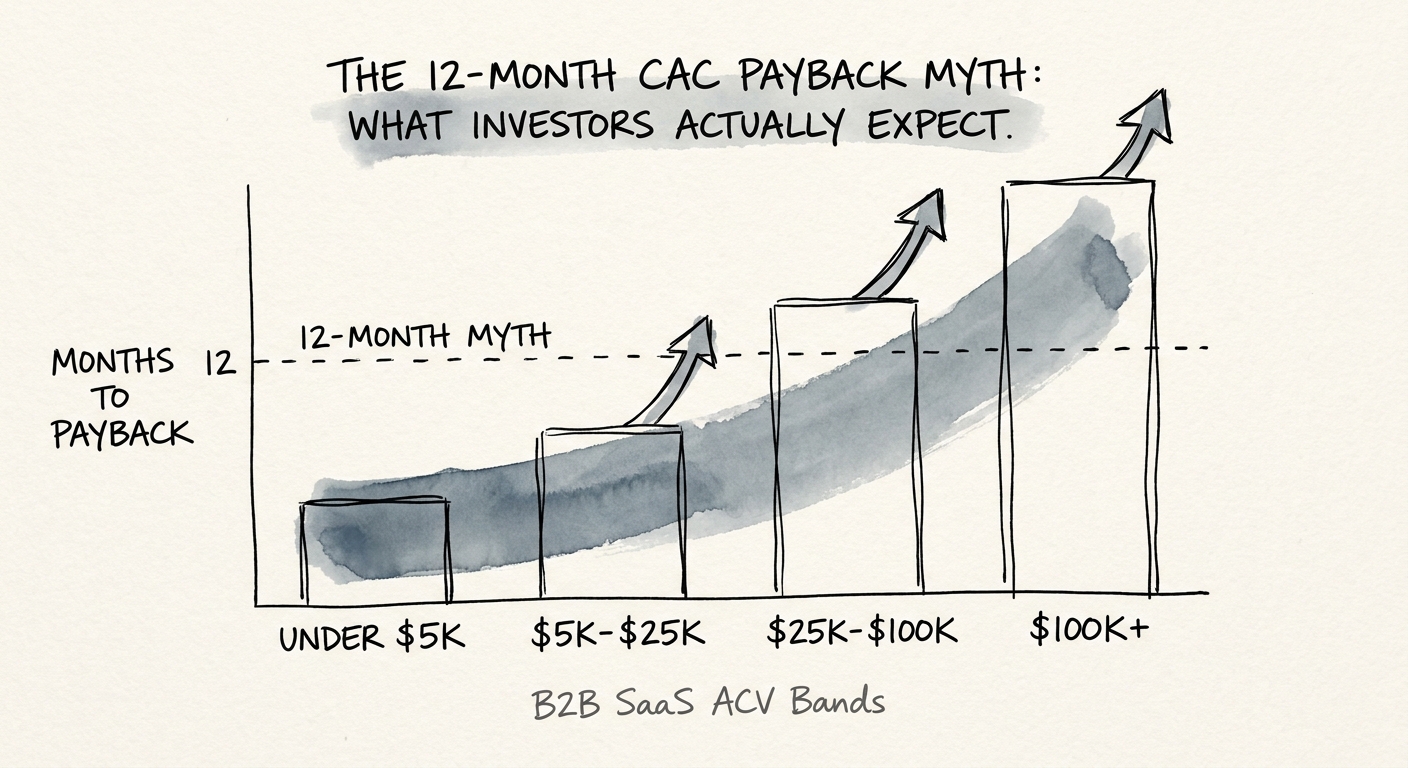
The 12-Month CAC Payback Myth: What Investors Actually Expect
Stop destroying your enterprise sales engine to hit an impossible metric. Here's why private equity buyers expect 18-24 month CAC payback periods for scaling SaaS companies.
Read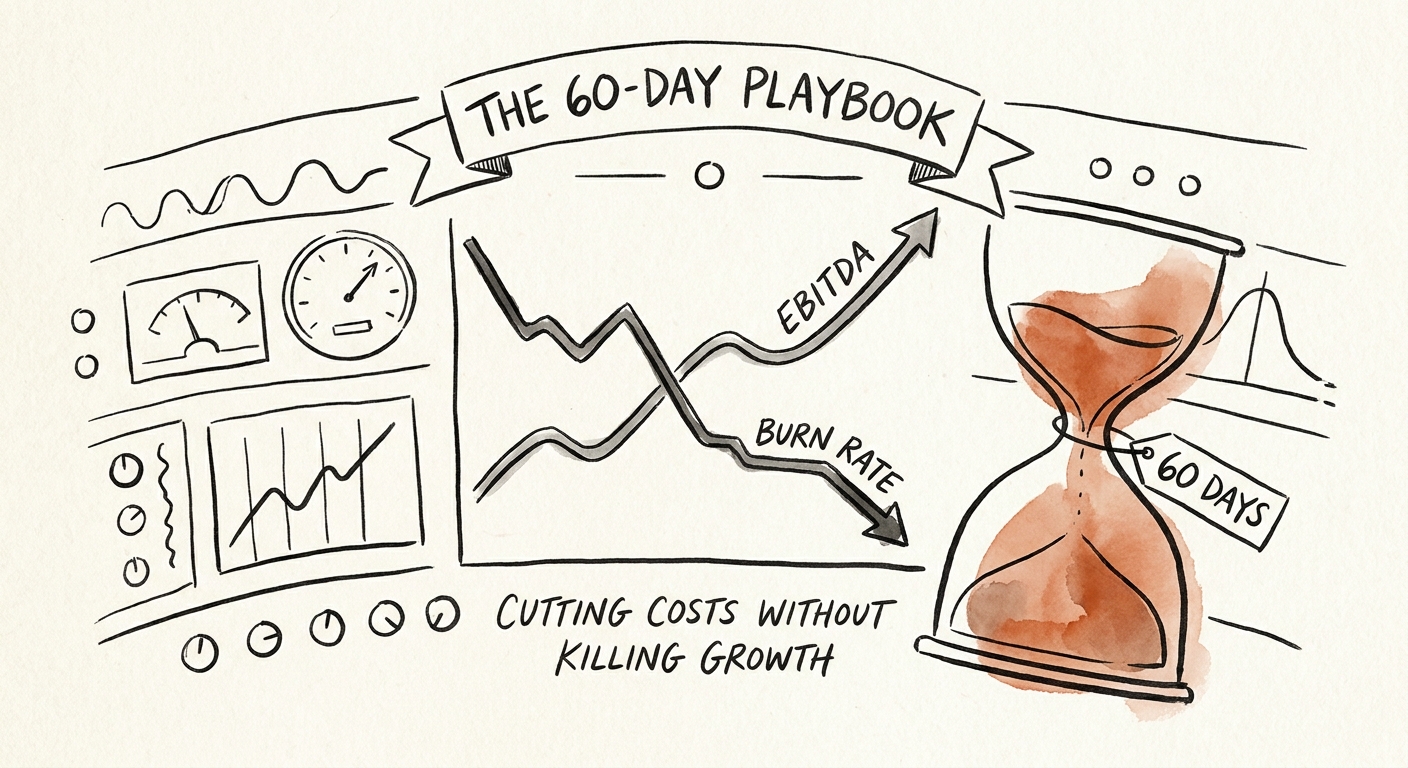
The 60-Day Burn Rate Reduction Playbook: Cutting Costs Without Killing Growth
How to slash your SaaS burn rate in 60 days without destroying future enterprise value. Discover the playbook for cutting costs while protecting Go-To-Market engines.
Read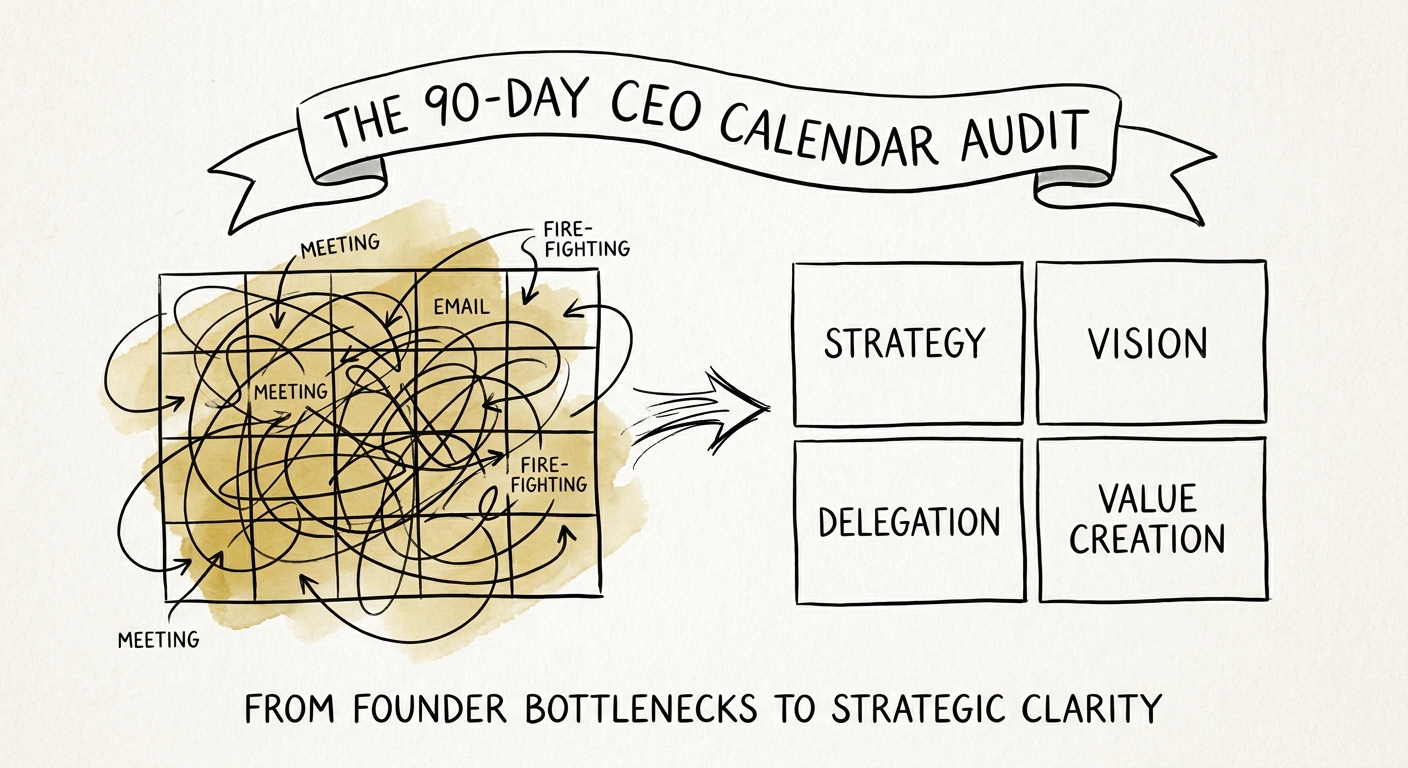
The 90-Day CEO Calendar Audit: Identifying Founder Bottlenecks Before PE Diligence
Discover how the 90-Day CEO Calendar Audit exposes critical founder dependencies and operational bottlenecks before private equity due diligence discovers them.
ReadTopic clusters
Revenue Architecture
ICP, deal-desk, sales-engineering ratios, MEDDPICC, deal-stage definitions. Move win rates from 29% to 68%.
Open topicGTM Execution
Pipeline coverage, top-down/bottom-up motion, AE/SE ratios, comp realignment, partner-channel structure.
Open topicUnit Economics
CAC payback, NRR, gross margin by segment, cohort analysis, paid-on-bookings vs. paid-on-cash.
Open topicFinancial Infrastructure
ARR waterfalls, deferred-revenue rules, board-pack standardization, FP&A architecture.
Open topicFounder Extraction
Mapping every decision the founder still owns, then engineering the systems and people that replace each one.
Open topicProcess Documentation
Sales process, customer success playbooks, technical runbooks, financial close calendars, hiring rubrics.
Open topicTeam & Hiring
Org design for scale, comp band rationalization, hiring rubrics with 92% accuracy across 40+ hires.
Open topicExit Readiness
Pre-LOI cleanup. Financial reporting normalization, contract hygiene, IP assignment review, customer-concentration mitigation.
Open topicProject Recovery
Stalled programs unblocked. We've rescued $13M and $3M Fortune 500 initiatives in under 30 days.
Open topicTechnical Debt
Quantification in dollars, not adjectives. Then a remediation plan that runs in parallel with delivery.
Open topicMigration & Integration
Post-merger integrations that hold customer and staff retention. 95% / 100% achieved on complex divestitures.
Open topicCompliance & Security
SOC 2, CMMC, FedRAMP, security baselines for post-acquisition standardization.
Open topicRecent intelligence
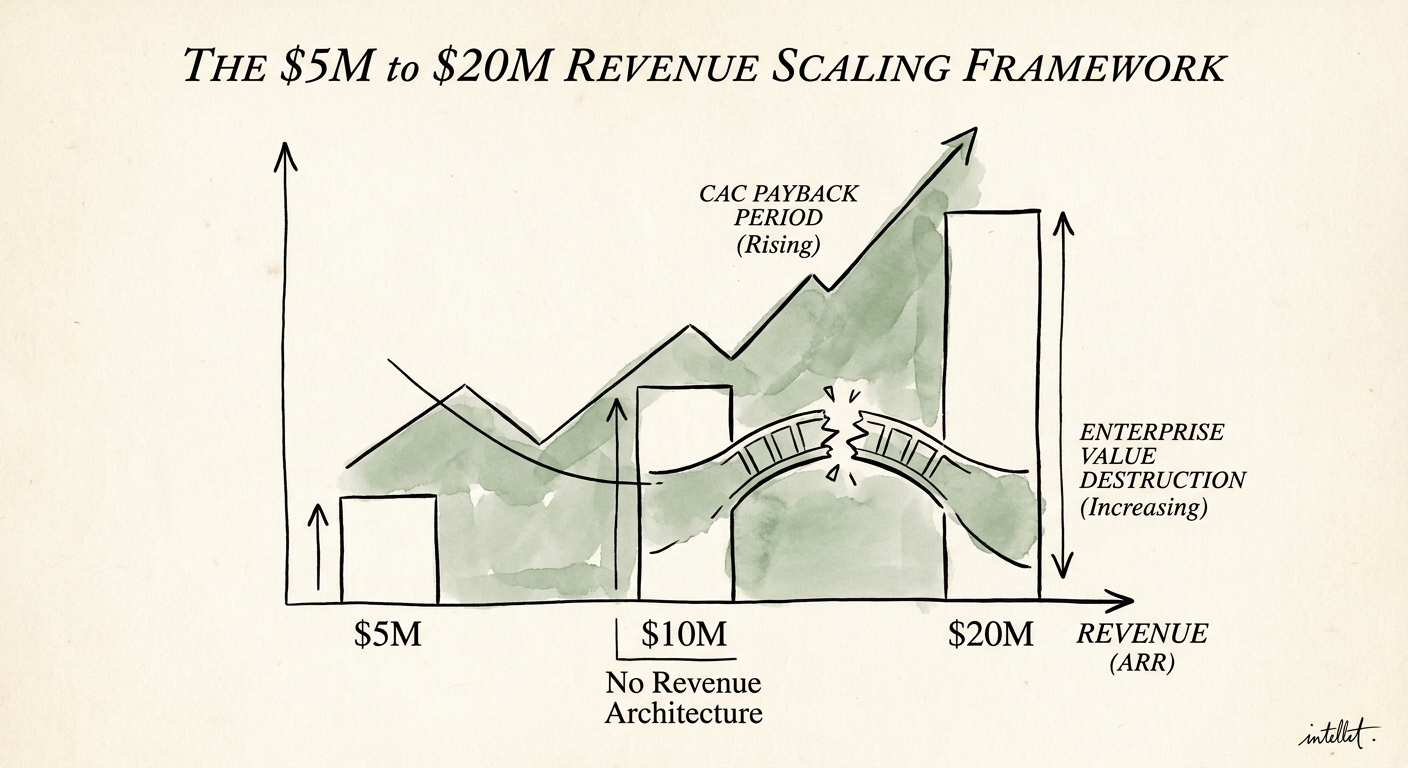
The $5M to $20M Revenue Scaling Framework: Architecting Your GTM Engine for Scale
Scaling from $5M to $20M ARR destroys value for 68% of B2B SaaS companies. Learn the revenue architecture framework to systemize your GTM engine and avoid the $10M valley of death.
Read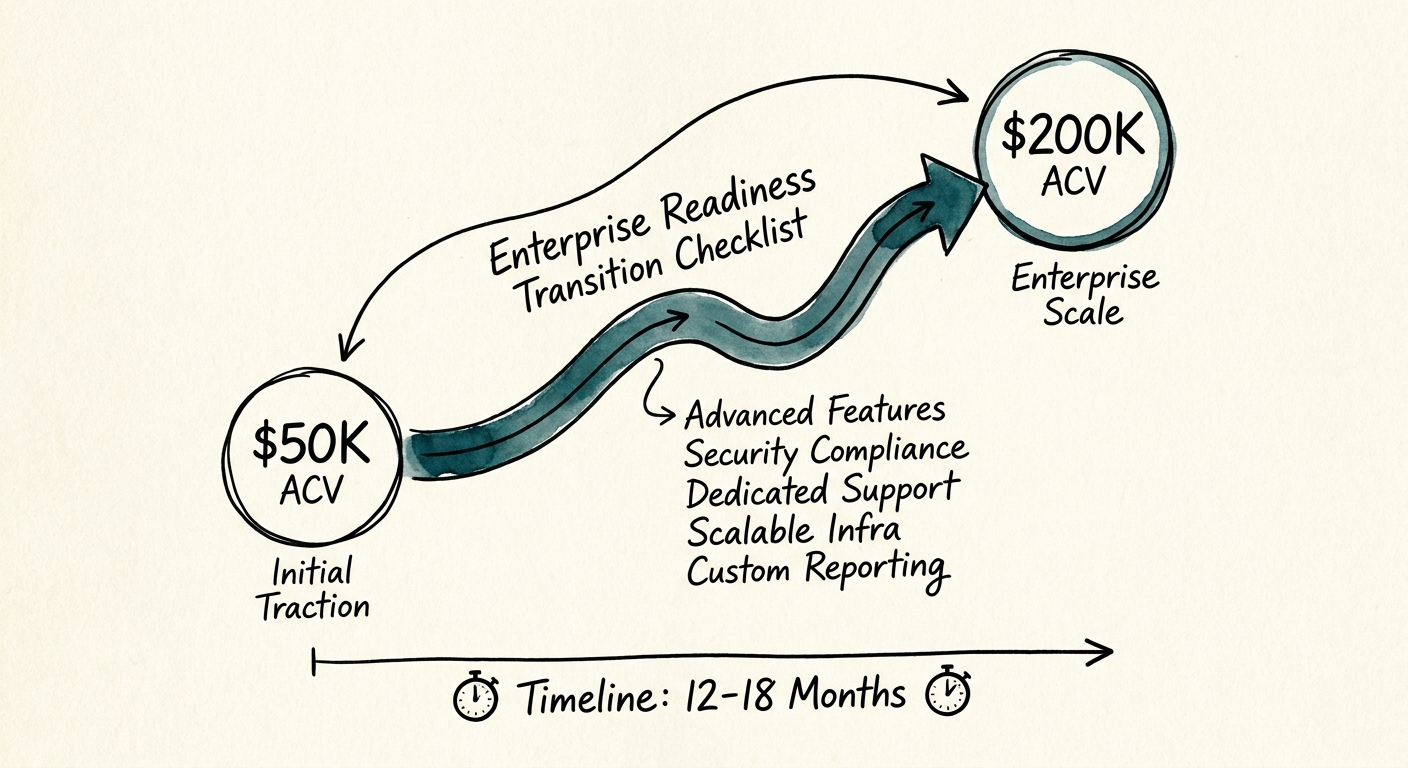
Moving from $50K to $200K ACV: The Enterprise Readiness Checklist
Attempting to quadruple your ACV from $50K to $200K breaks your product, sales cycle, and delivery model. Here is the operational checklist to survive the enterprise pivot.
Read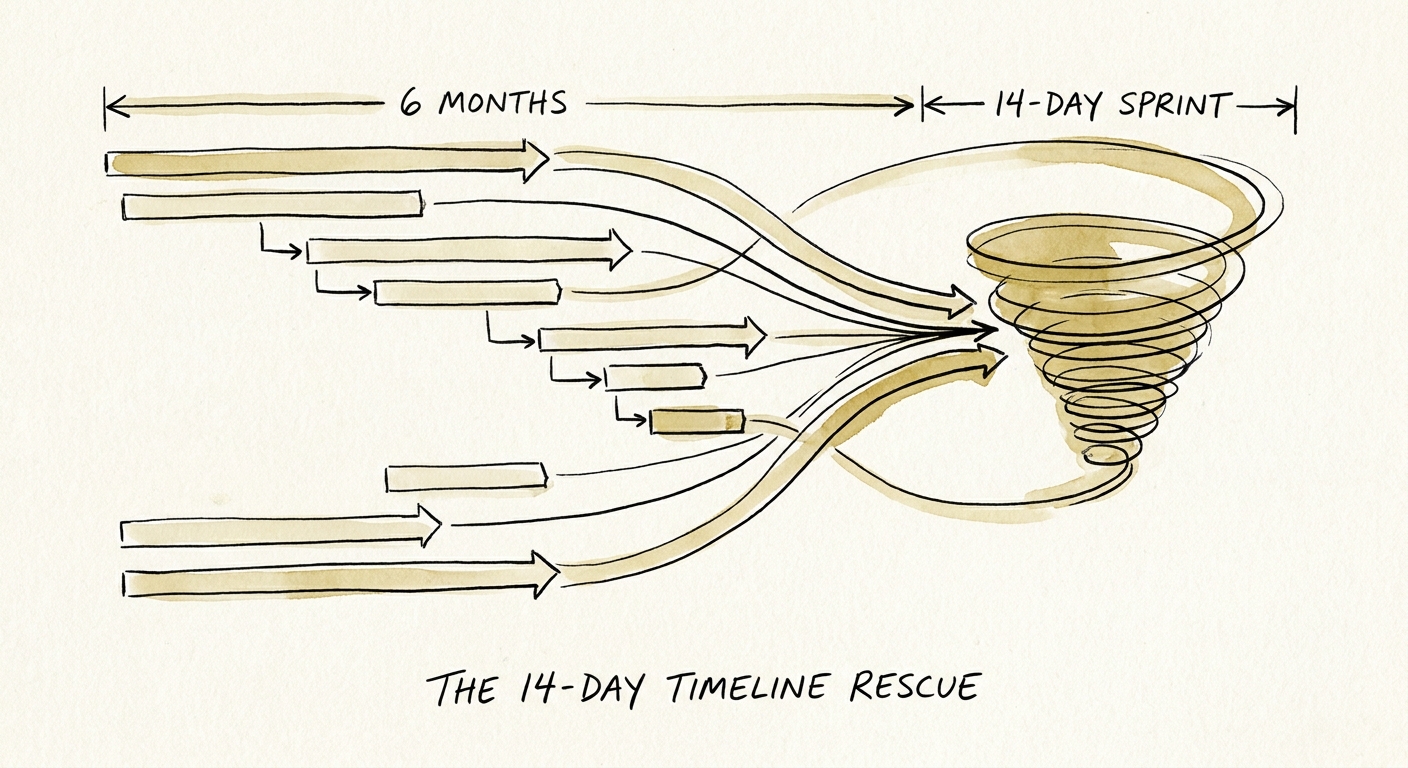
The 14-Day Timeline Rescue: Compressing 6 Months of Work Into Achievable Sprints
A delayed software implementation destroys 56% of projected ROI. Learn the 14-day sprint compression strategy to rescue stalled projects and regain board trust.
Read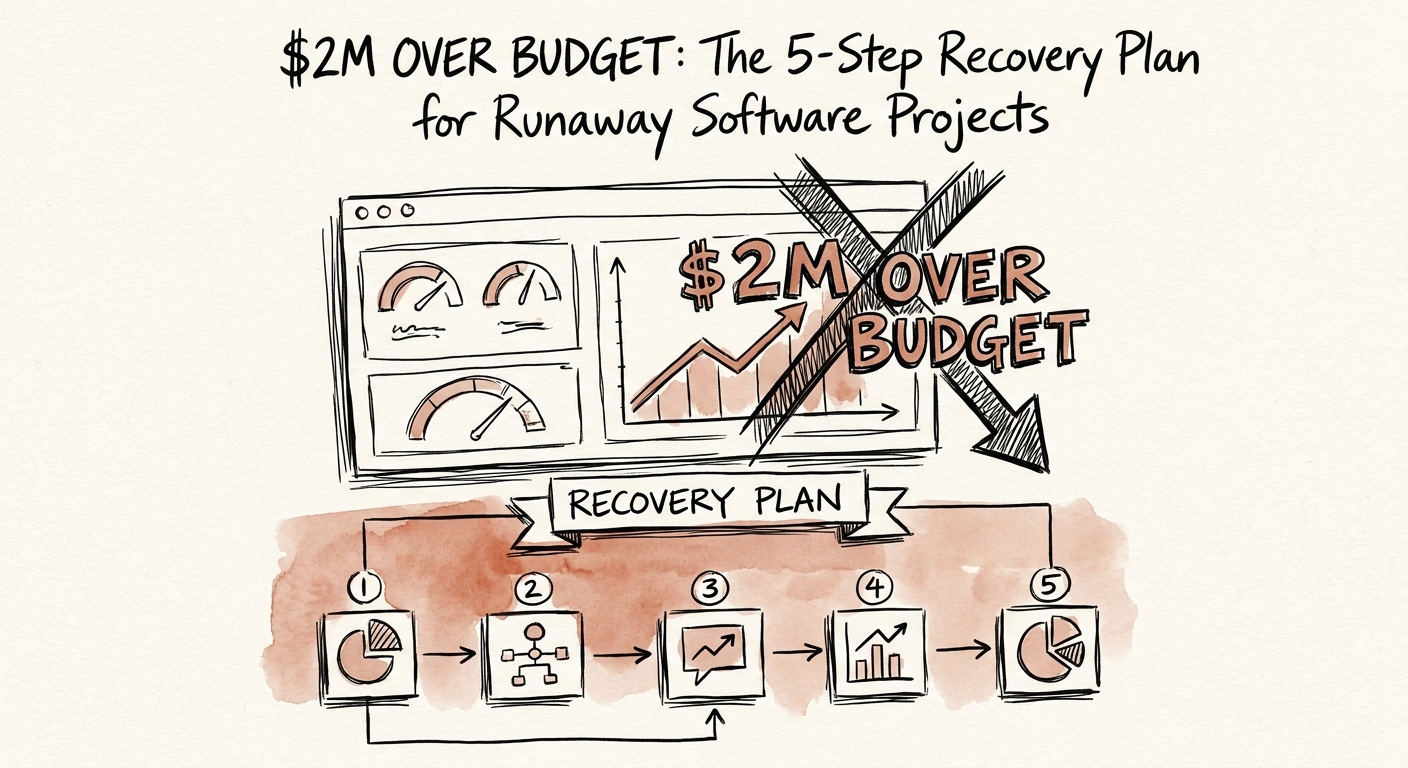
$2M Over Budget: The 5-Step Recovery Plan for Runaway Software Projects
When your portfolio company's software project blows past its budget, traditional PMO fixes won't save it. Justin Leader outlines the 5-step recovery plan to stop the bleeding and salvage EBITDA.
Read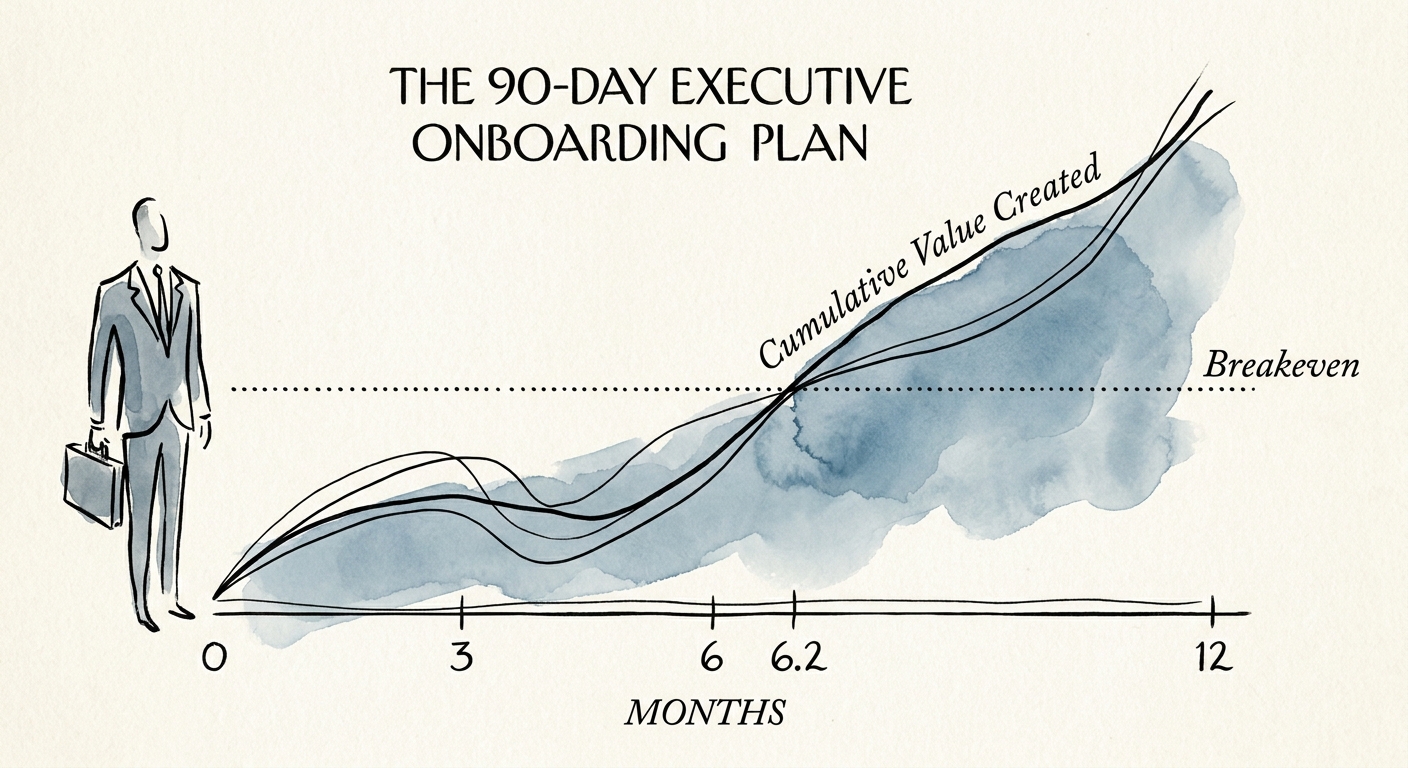
The 90-Day Executive Onboarding Plan: Setting New Leaders Up for Success
A botched executive hire costs 213% of their salary and stalls product velocity. Discover the 90-day executive onboarding architecture that accelerates value.
Read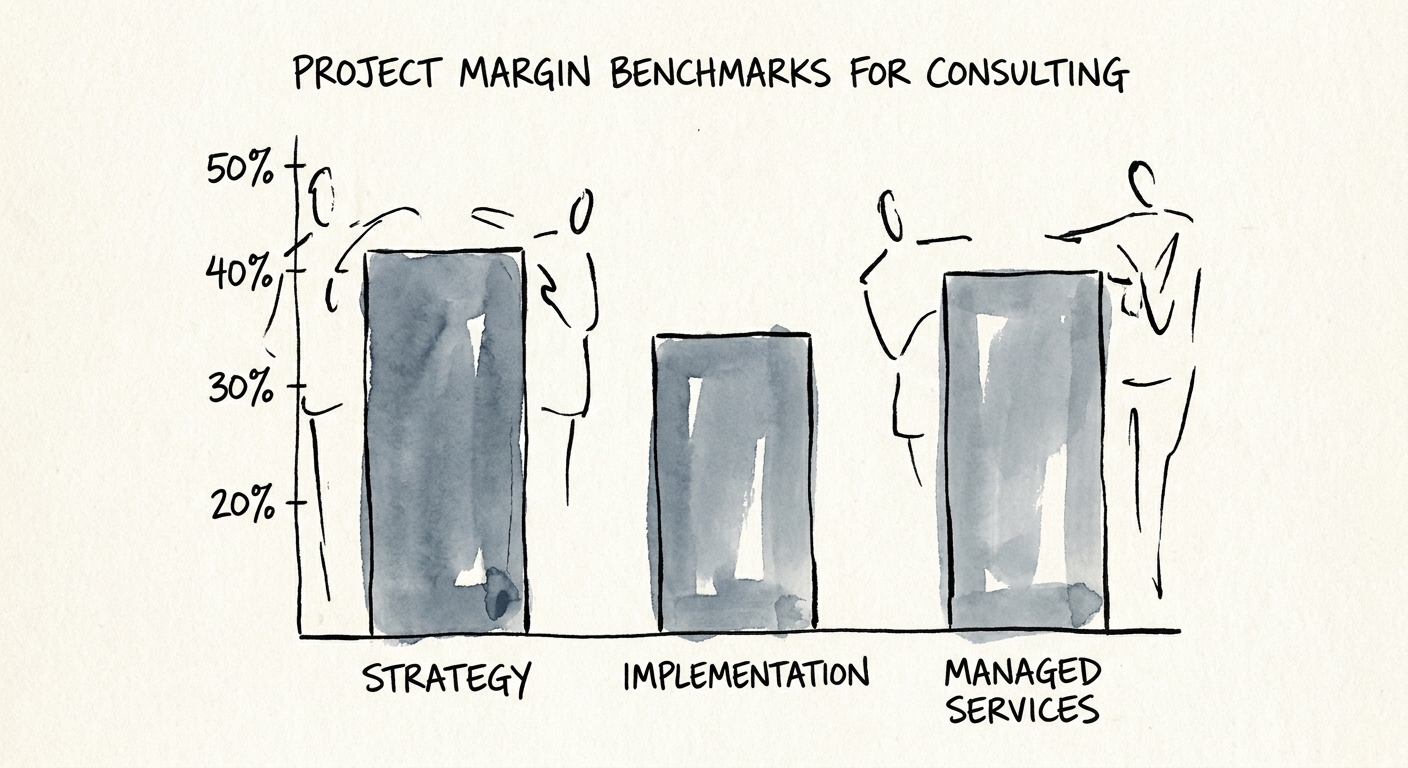
The 2026 Project Margin Benchmarks for Consulting Engagements
Discover the 2026 project margin benchmarks for consulting firms. Learn why blending strategy and implementation margins is destroying your EBITDA and valuation.
Read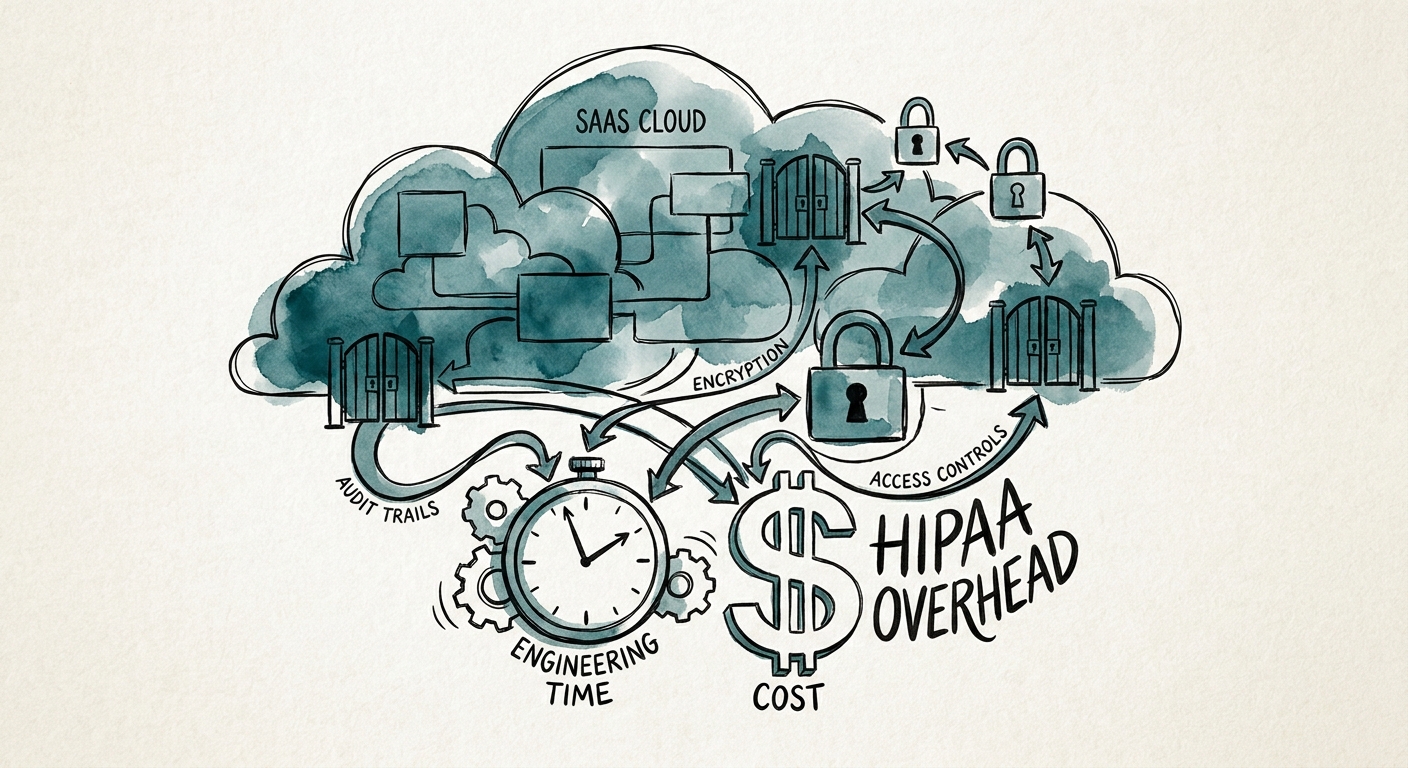
The $385k Pivot: Quantifying the Engineering and M&A Costs of SaaS HIPAA Compliance
Adding HIPAA compliance to your SaaS platform costs $385,000 in first-year engineering overhead. Discover the hidden infrastructure taxes and M&A valuation impacts.
Read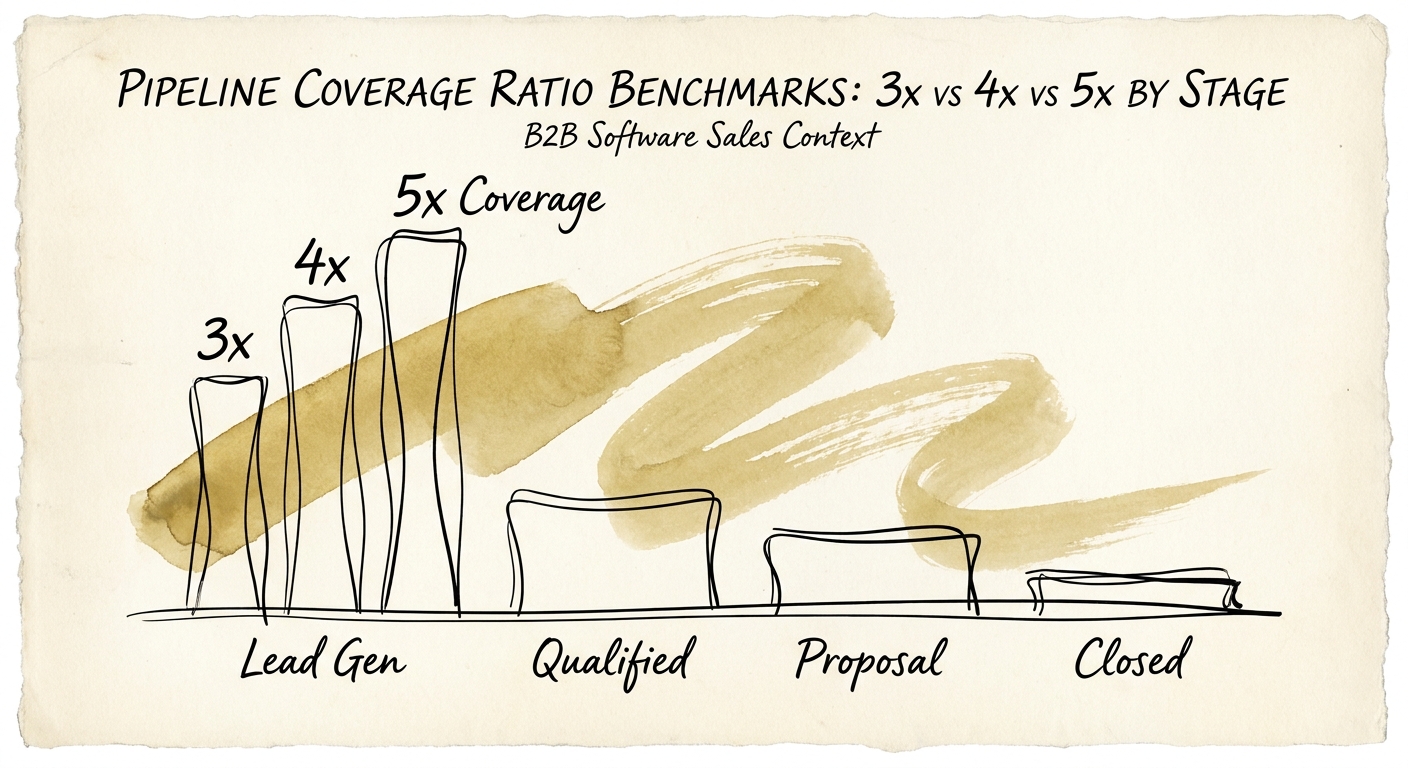
Pipeline Coverage Ratio Benchmarks: Why the 3x Rule Is Killing Your Forecast
Discover why the flat 3x pipeline coverage ratio is a valuation trap. Get the 2026 stage-by-stage coverage benchmarks required to accurately forecast B2B revenue.
Read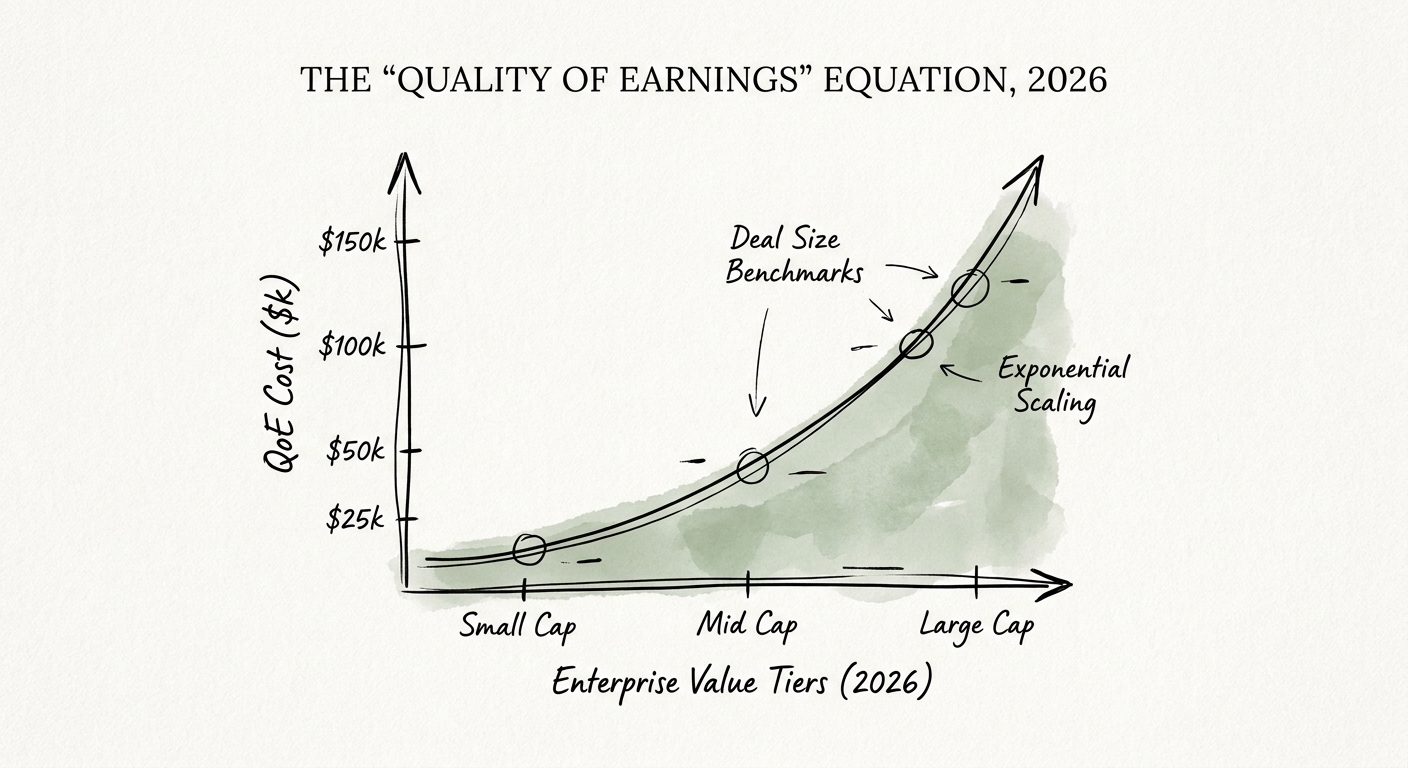
Quality of Earnings Report Cost: $25k to $150k Benchmarks by Deal Size
An operator's guide to 2026 Quality of Earnings (QoE) report costs. Discover $25k-$150k pricing benchmarks by deal size and why sell-side diligence protects enterprise value.
Read