Office of the CFO vs. Fractional CFO: Finance Leadership Decision Guide
A decision guide for choosing fractional CFO, Office of the CFO, or interim finance operator support when technology companies need trusted numbers and board-ready finance infrastructure.
Founder-CEOs, boards, PE operating partners, CFOs, and management teams building finance infrastructure before scale, turnaround, or exit.
Use this when forecasts miss, board packs create argument, ARR/MRR definitions drift, cash visibility is weak, or finance is not ready for diligence.
Fractional CFO
The company needs senior finance judgment part time, usually around cash, board reporting, fundraising, or executive decision support.
A single person becoming the process, metric definitions staying informal, and reporting improving without underlying finance architecture changing.
Executive finance cadence, cash view, board narrative, and decision support.
Office of the CFO
The company needs a finance operating system: ARR rules, forecast cadence, unit economics, close discipline, board packs, and diligence-ready reporting.
Scope creep into bookkeeping only, unclear data ownership, and dashboards that do not change operating decisions.
Finance operating model, metric dictionary, board pack, forecast system, and diligence readiness roadmap.
Interim CFO or embedded finance operator
The finance constraint is urgent enough that advice is not enough and an accountable operator must reset controls.
Authority ambiguity, leadership bypassing the cadence, and temporary fixes that do not transition to permanent owners.
90-day finance mandate, control tower, working-capital cadence, and permanent-role scorecard.
How to make the call
- Step 1
Name the finance constraint
Decide whether the problem is judgment, capacity, architecture, control, or authority. The right model follows the constraint.
- Step 2
Audit the metric definitions
Confirm ARR, MRR, bookings, revenue, gross margin, CAC payback, NRR, GRR, deferred revenue, and forecast accuracy definitions before building dashboards.
- Step 3
Set the operating cadence
Finance needs recurring decisions: forecast review, cash review, board pack preparation, variance analysis, and unit-economics review.
- Step 4
Assign data ownership
Decide who owns CRM data, billing data, revenue recognition, customer cohorts, close calendar, and board reporting.
- Step 5
Design the permanent model
Use the engagement to decide what must stay fractional, what needs a full-time hire, and what process should remain institutional.
Fractional CFO support can improve executive judgment. Office of the CFO work builds the finance operating system that makes the numbers repeatable, board-ready, and diligence-ready.
The choice is not about title polish. It is about the constraint. Some companies need a senior finance voice in the room. Others need the machinery that lets the room trust the numbers.
The finance-infrastructure test
Choose a fractional CFO when the gap is senior judgment and the underlying data is usable. Choose Office of the CFO when the gap is definitions, cadence, systems, board reporting, or transaction readiness. Choose an interim CFO when the company needs authority, speed, and reset control.
Where growth companies get stuck
The founder or CEO often asks for better dashboards when the real problem is upstream: inconsistent ARR logic, unclear revenue recognition, stale CRM stages, disconnected billing data, and forecasts that are edited by instinct.
Office of the CFO work starts there because trusted numbers are built before they are presented.
Operator rule
Do not buy finance leadership as a title. Buy the operating system that gives the board, CEO, and management team one version of the truth.
Where the decision turns into work
Office of the CFO
ARR waterfalls, board reporting, FP&A, unit economics, forecast accuracy, and finance infrastructure for technology companies scaling or preparing for exit.
Performance Improvement
Revenue, margin, delivery, technical debt, and operating-system improvement for technology firms with stalled growth or compressed EBITDA.
Interim Management
Operator-led interim management for technology companies in transition, crisis, integration, or founder extraction.
Frequently asked
- Is Office of the CFO the same as fractional CFO?
- No. A fractional CFO is usually a senior finance leader working part time. Office of the CFO is broader finance infrastructure: reporting architecture, metric definitions, forecasting, board packs, unit economics, and diligence readiness.
- When does a company need an interim CFO instead?
- An interim CFO fits when the company needs accountable authority quickly because cash visibility, lender or board trust, reporting integrity, or transaction readiness is already under pressure.
- What should be fixed first?
- Metric definitions and cadence. If ARR, MRR, bookings, revenue, churn, and gross margin are not defined consistently, every dashboard becomes a negotiation.
Articles that support the decision
BRIEF · FINANCIAL INFRASTRUCTURE
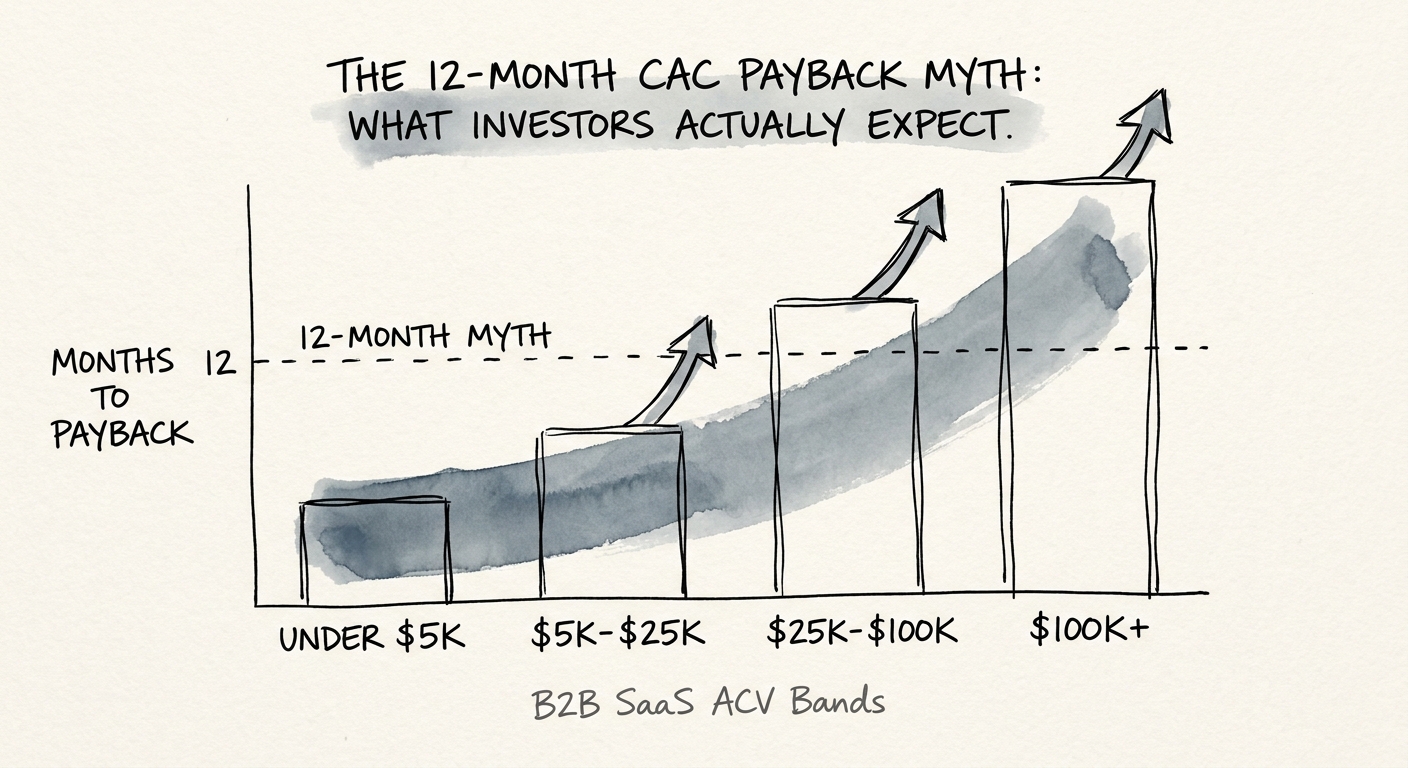
The 12-Month CAC Payback Rule Is Costing You the Enterprise
A "perfect" 12-month blended CAC payback often hides a starved enterprise pipeline. Here's the cohort math buyers actually underwrite — and the 88% NRR it exposes.
18 Months (Median B2B SaaS CAC Payback)
BRIEF · REVENUE ARCHITECTURE
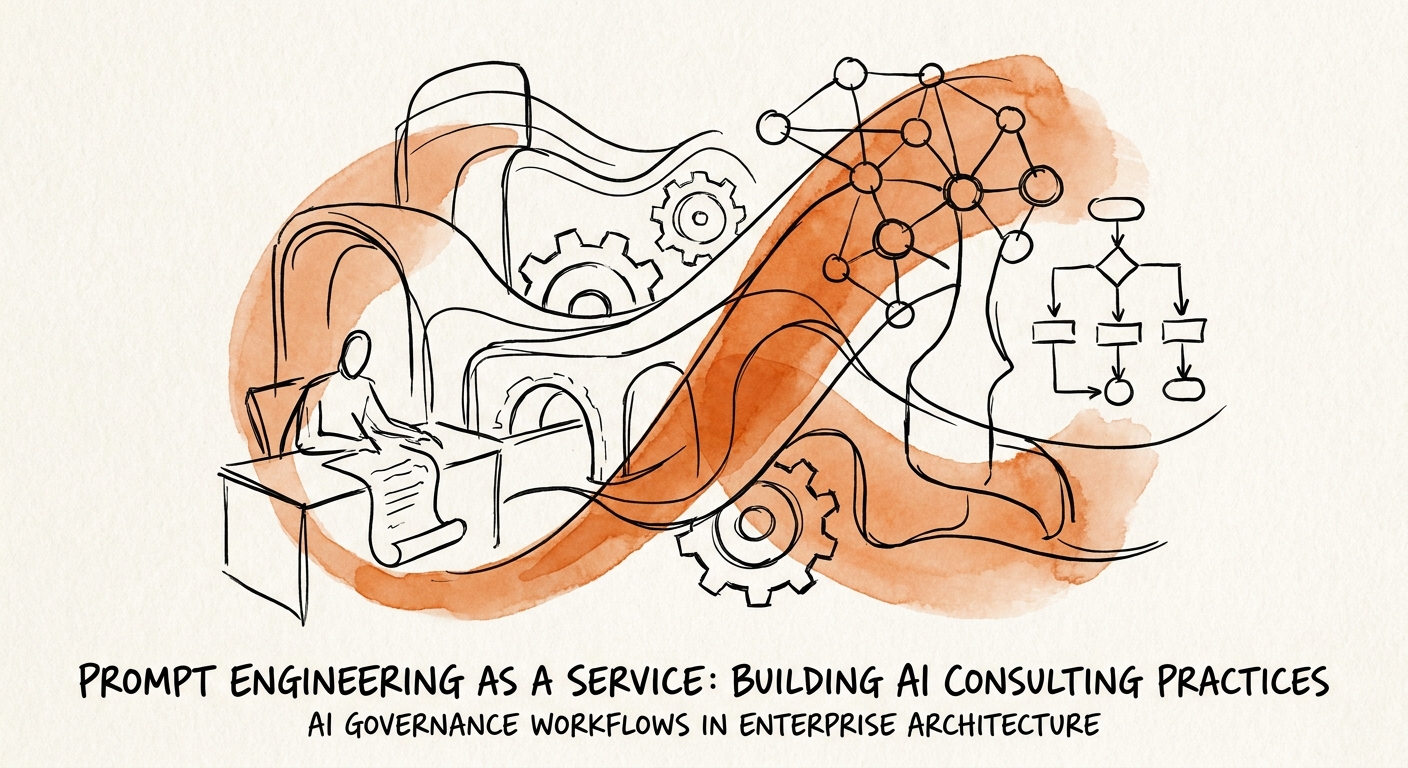
Stop Selling Prompts. Sell the Workflow They Break Inside Of.
A prompt pack is a one-time invoice that decays. Here is how a tech-services firm turns prompt engineering into a recurring, governed, defensible service line.
4 assets needed beyond prompt libraries
BRIEF · EXIT READINESS
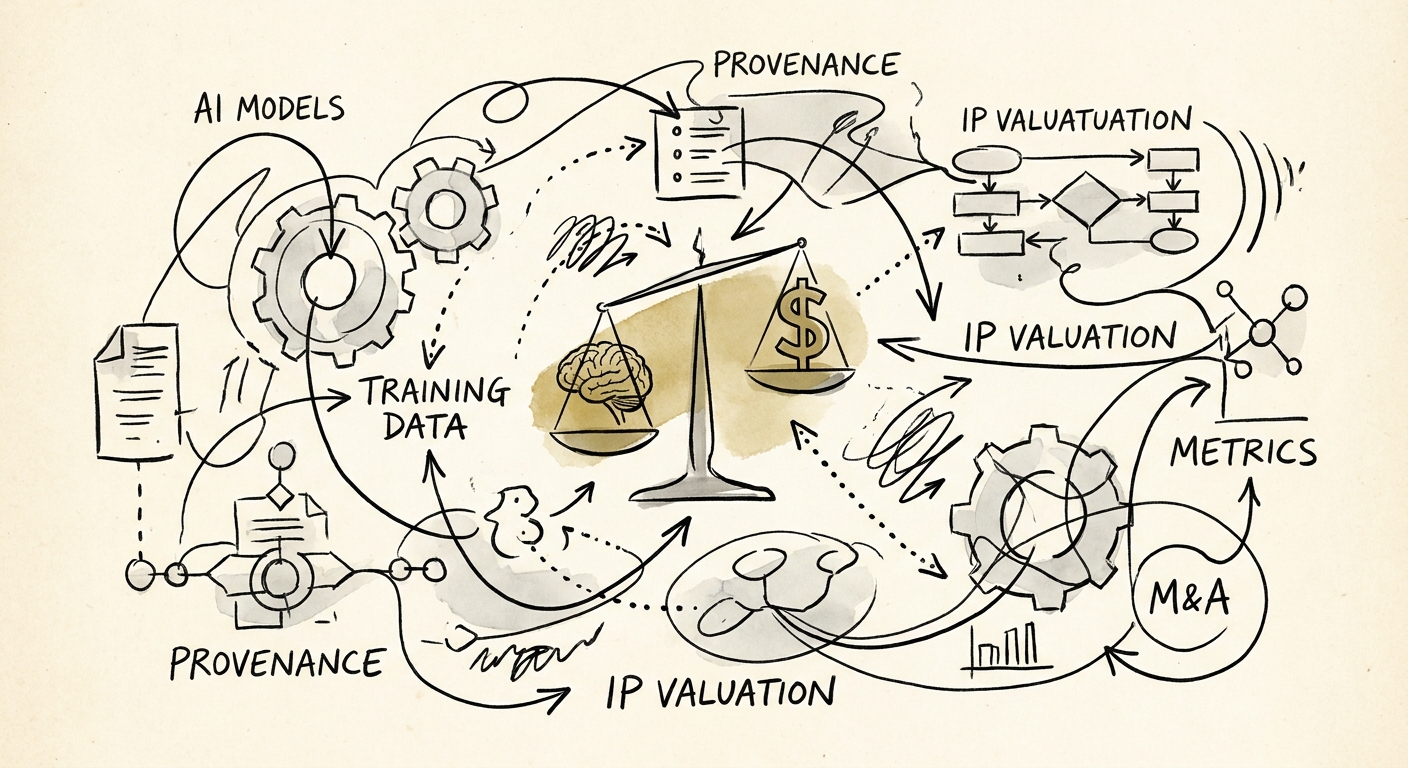
Your AI Model Is Worth $0 If You Can't Trace the Training Data
Acquirers discount AI IP up to 60% when data provenance is murky. How to prove lineage on your models and training sets before a PE deal team arrives.
60% Valuation haircut on undocumented AI IP
BRIEF · REVENUE ARCHITECTURE
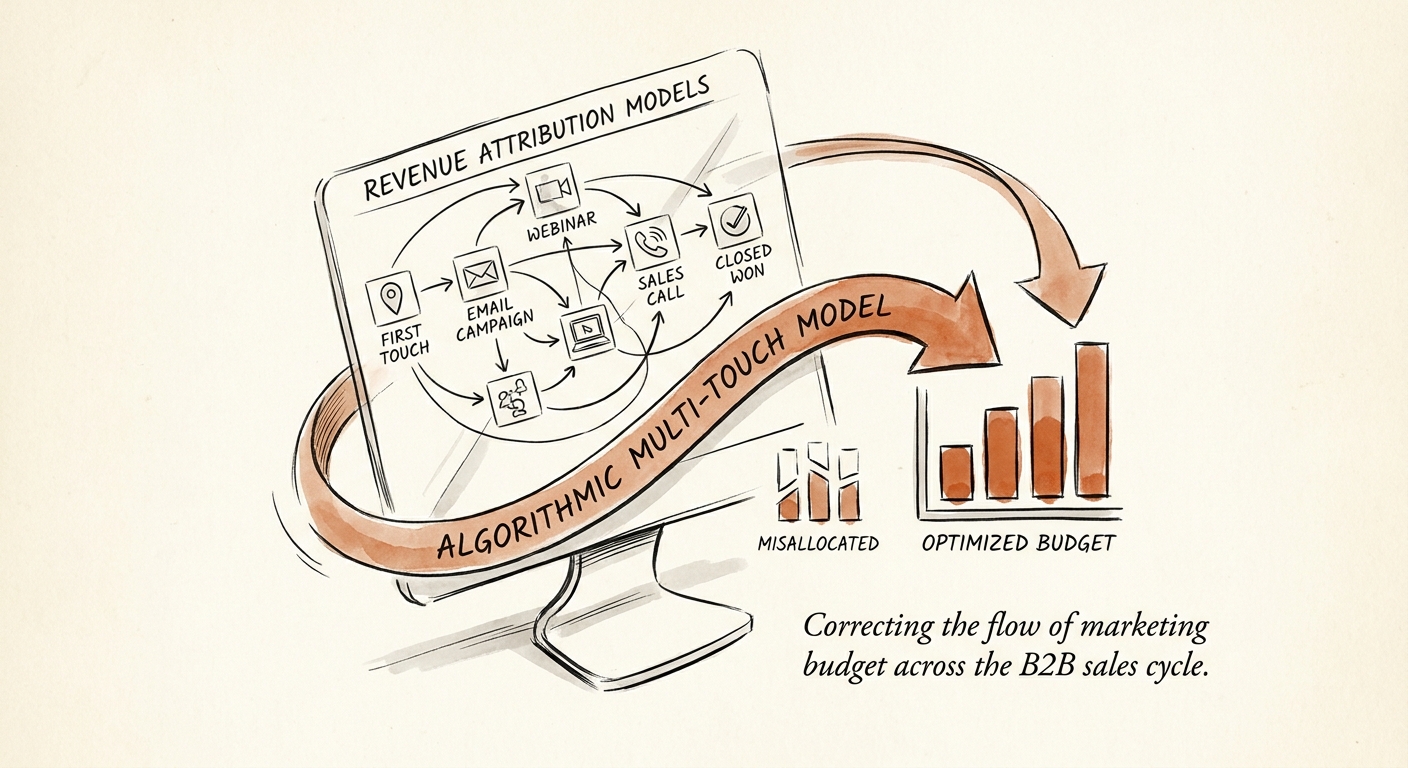
Your CRM Says SDRs Built the Pipeline. The Other 26 Touches Say Otherwise.
Last-touch attribution tells boards to cut marketing and double SDRs. Here's how W-shaped and algorithmic models expose the real B2B buyer journey.
42% Wasted GTM Budget
BRIEF · UNIT ECONOMICS
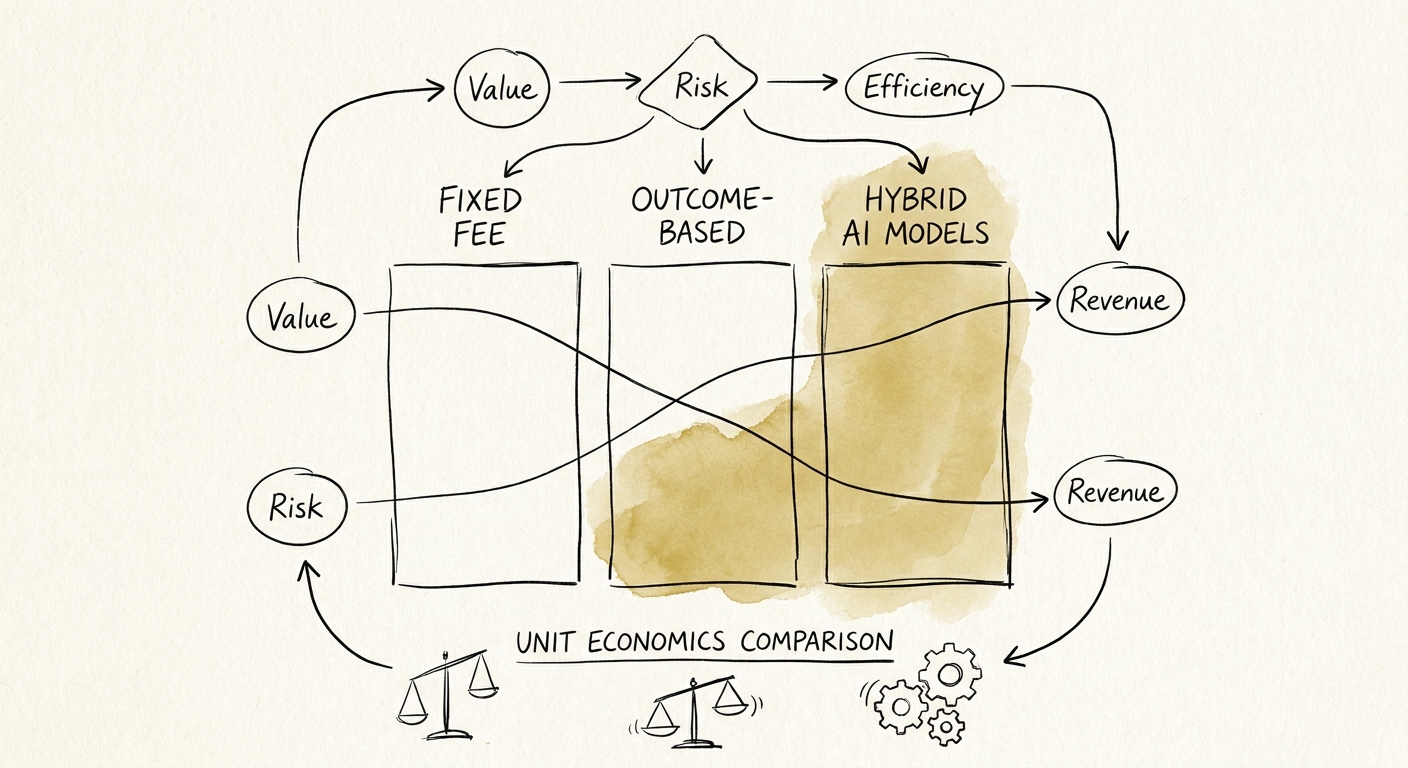
How to Price a Generative AI Build: Why One Number Wrecks Your Margin
Quoting one fixed number for a generative AI build means absorbing the client's data debt and uncapped inference costs. Here's the three-layer pricing fix.
3 Pricing layers to separate
BRIEF · REVENUE ARCHITECTURE
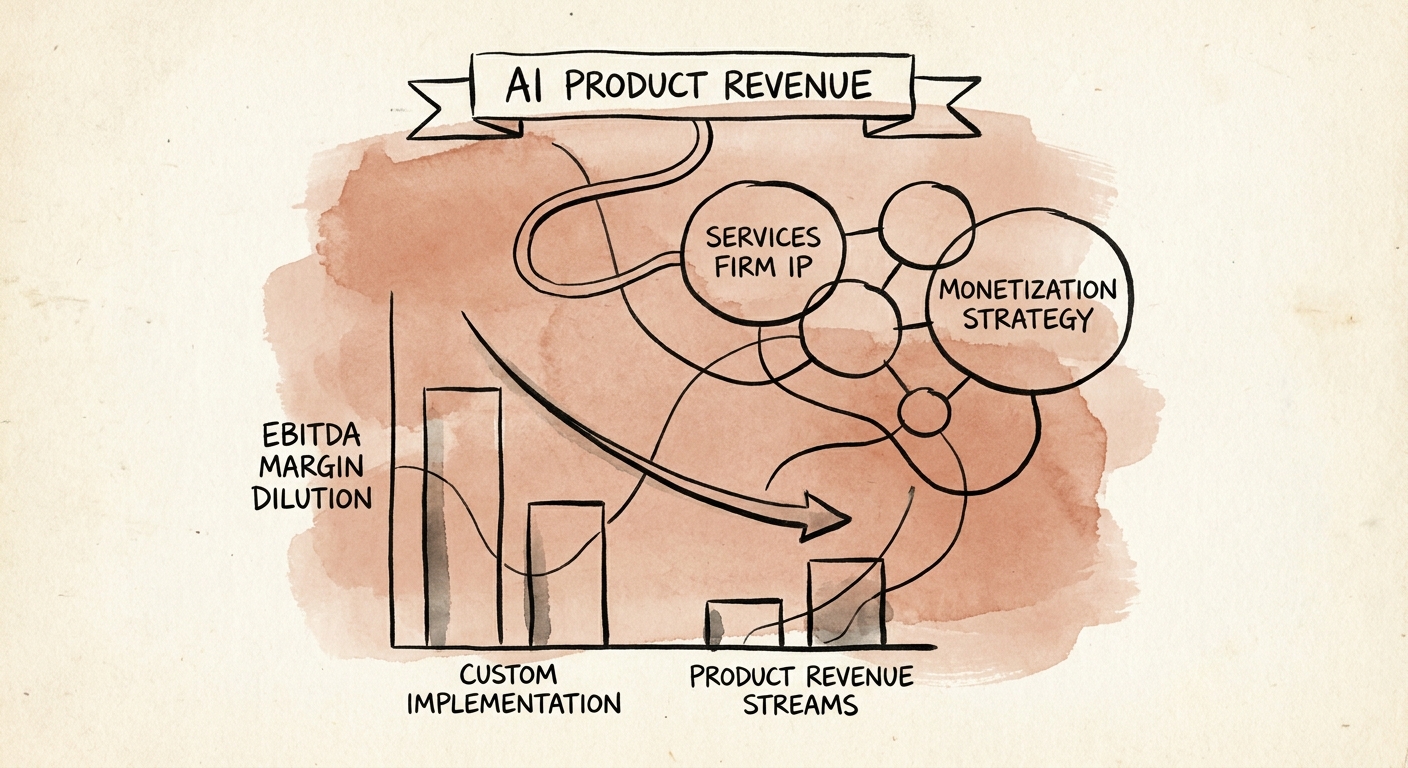
Your AI Product Is Quietly Reclassifying Your Whole Firm as Services Revenue
When a services firm bolts an AI product onto a billable-hours P&L, buyers reprice both. Here's how to carve AI IP so it earns a software multiple, not a haircut.
14 EBITDA Margin Dilution Points