The "exec comp" search nobody planned for
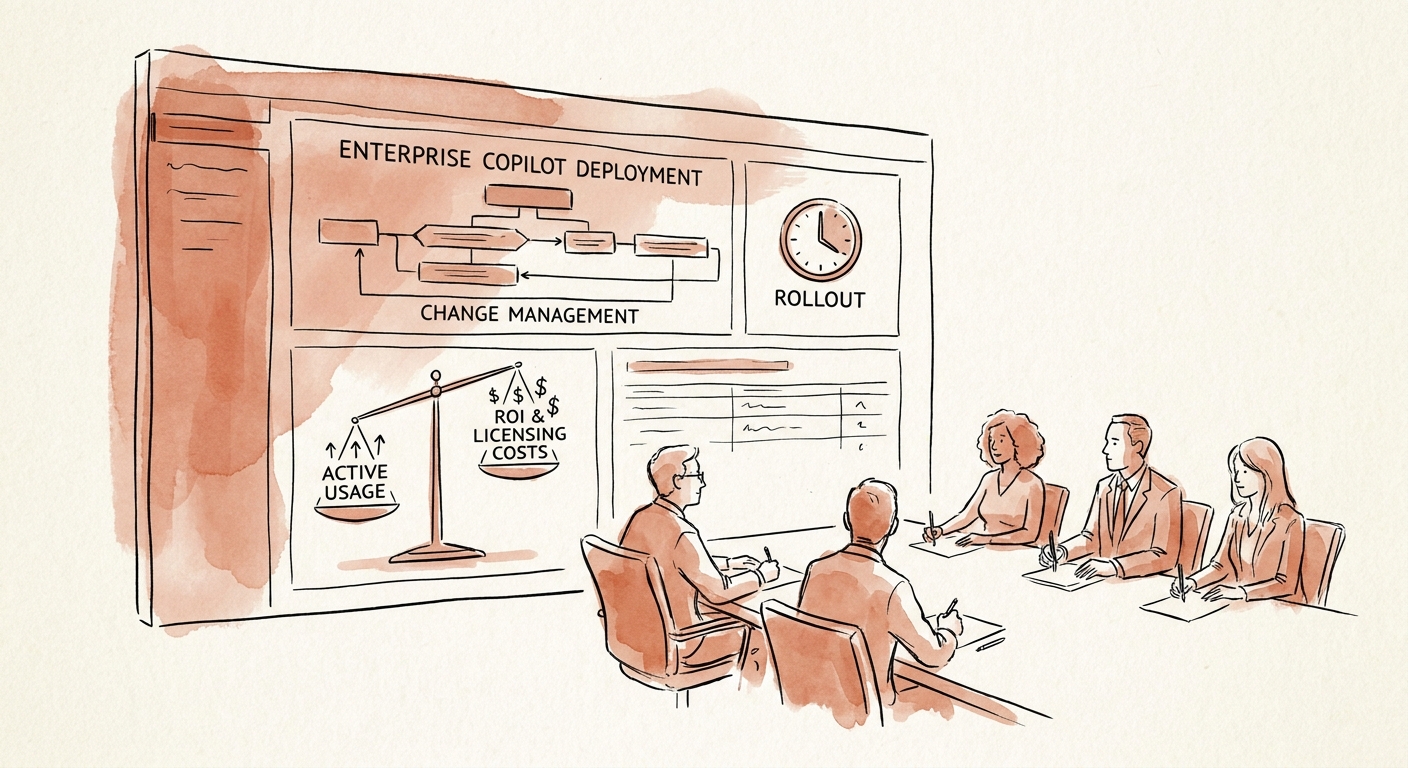
Here's the moment that turns a Microsoft Copilot rollout from an IT project into a board conversation. Two weeks after go-live, someone in finance types "what are the leadership team's salaries" into the Copilot chat. Copilot, doing exactly what it was built to do, summarizes a spreadsheet that lived in a SharePoint folder somebody shared "with everyone" back in 2021 and forgot about. No breach. No exploit. The file was always reachable — Copilot just removed the need to know it existed.
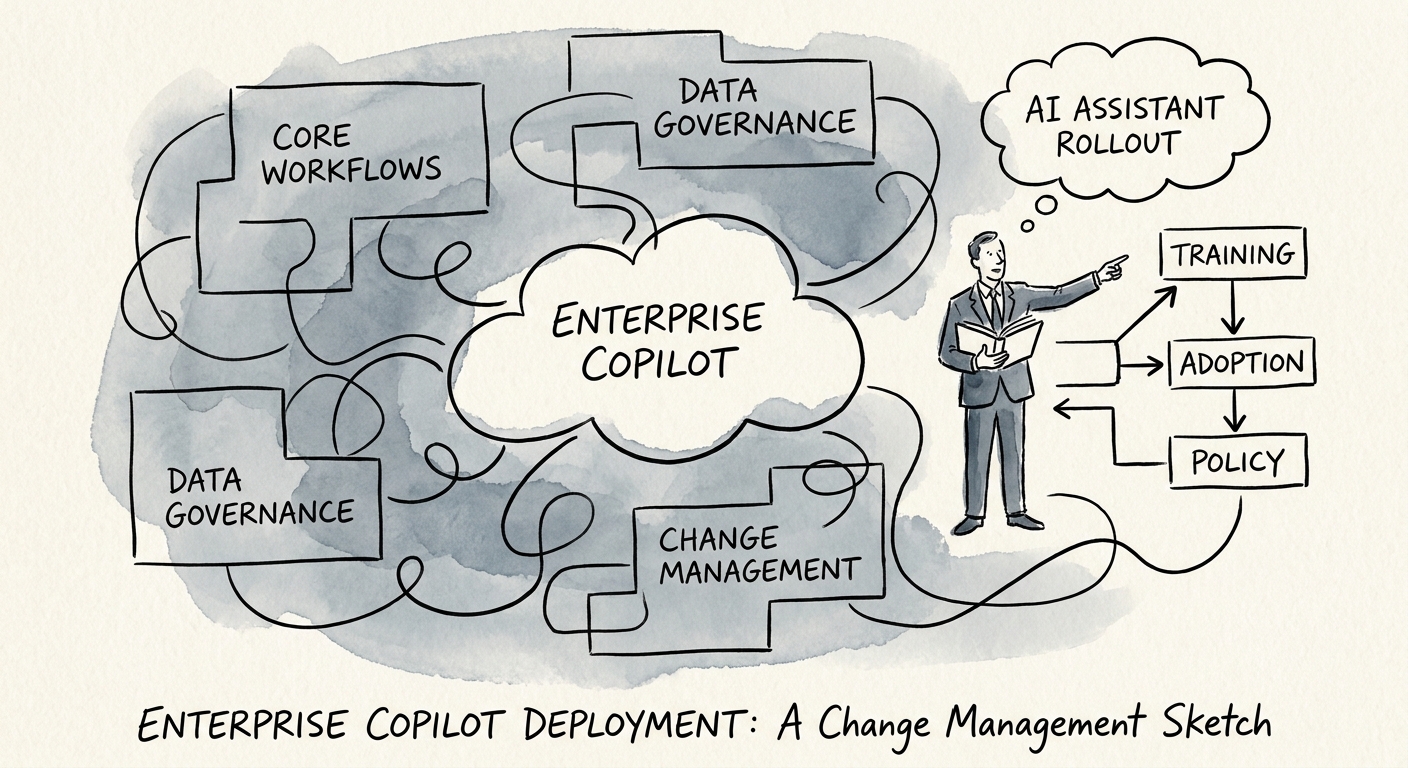
That is the defining trait of this deployment, and what separates it from rolling out any other tool. Microsoft 365 Copilot inherits each user's existing permissions and indexes everything they can already open across SharePoint, OneDrive, Teams, and Exchange. Microsoft's own architecture and data-protection guidance is explicit that Copilot respects the permission model you have — which is precisely the problem when that model has years of accumulated oversharing baked in. So the first workstream isn't licensing or training. It's a sharing audit: find the "anyone in the org" links, the stale Teams sites with external guests, the HR and deal folders with permissions that drifted, and fix them before a chat box makes them trivially findable.
License the eager, not the entire org
The second mistake is treating a Copilot rollout like an Office upgrade — push it to everyone, send a launch email, count seats. At roughly $30 per user per month, that's also the fastest way to a renewal meeting where finance asks what 800 licenses actually bought. The teams who run this well do the opposite: they pick a narrow first cohort and a short list of jobs Copilot is allowed to do.
Start with the people who will use it daily because their work is genuinely document- and meeting-heavy. Say a mid-market company gives 40 licenses to its sales engineering, project management, and finance ops groups — people who live in Teams meetings and Word drafts. The approved jobs are concrete: Teams meeting recaps with action items, first-draft SOWs from a template, "find me the latest version of X" retrieval, and synthesizing a status update from a project channel. Each one gets a worked example and an explicit boundary — what Copilot drafts versus what a human still signs off on. This use-case discipline maps directly to the structure in the NIST AI Risk Management Framework (map the intended use, the affected users, and the controls) and reflects what the PwC Responsible AI survey keeps finding: the organizations getting value have named accountability for how the tool is used, not just a contract for it.
Measure the recap, not the seat
"Active users" is a vanity metric that will lie to you. Someone who opened Copilot once to ask it a joke counts the same as the project manager who saved an hour a day. The number that tells you whether the rollout is working is workflow-specific: how many meetings produced a Copilot recap that the owner actually kept, how many SOW drafts started in Copilot, how the support-ticket pattern shifts as people learn the prompts that work. Both McKinsey's State of AI research and the IBM Institute for Business Value land on the same point: the value comes from redesigning how work gets done around the tool, not from the tool being present.
So pick three workflows, measure those three honestly for 60 days, expand the cohort only where the numbers hold, and keep a standing review of any new permission exceptions that surface. If you want a structured place to start, run the AI Opportunity Score against your current SharePoint sprawl and meeting load. From there, AI governance and training sets the use-case rules and managed AI workflow support keeps adoption and measurement running past the launch-day spike.
