AI Agent vs. Workflow Automation: Decision Guide
A decision guide for choosing an AI agent, internal copilot, or workflow automation for a business process.
Operations, IT, support, sales, finance, and business leaders deciding how much autonomy an AI workflow should have.
Use this when a team is tempted to call every AI workflow an agent.
Workflow automation
The process has clear rules, repeated steps, predictable inputs, and defined routing or approval paths.
Automating a broken process or hiding exceptions instead of escalating them.
Mapped workflow, automation rules, integrations, SOPs, and monitoring.
Internal copilot
A person needs help researching, drafting, summarizing, classifying, or retrieving information before making a decision.
Users treating suggestions as final output without review.
Assistant experience, source grounding, review standards, training, and quality sampling.
AI agent
The task requires multiple steps, tool use, and limited action-taking inside a bounded workflow with clear human approval rules.
Unsupervised actions, unclear permissions, weak logging, and high-impact decisions without review.
Agent role design, tool permissions, evaluation harness, logging, escalation, and monitoring.
How to make the call
- Step 1
Start with the workflow
Describe the current workflow before choosing automation, copilot, or agent.
- Step 2
Name the decision points
Separate low-risk routing or drafting from decisions that require human judgment.
- Step 3
Set permissions
Decide whether AI can read, draft, suggest, route, or write into systems.
- Step 4
Create test cases
Use expected examples and edge cases before letting AI operate in production.
- Step 5
Monitor after launch
Review quality, incidents, cost, user adoption, and exceptions before expanding autonomy.
Calling everything an agent creates avoidable risk.
The practical question is how much autonomy the workflow needs. Most businesses should earn autonomy in stages: retrieve, draft, recommend, route, then act only when permissions and review are ready.
Where the decision turns into work
Transaction Advisory Services
Operator-led buy-side and sell-side diligence for technology middle-market deals. Financial rigor, technical diligence, and integration risk in one workstream.
Performance Improvement
Revenue, margin, delivery, technical debt, and operating-system improvement for technology firms with stalled growth or compressed EBITDA.
Frequently asked
- Is every AI workflow an agent?
- No. Many valuable AI workflows are copilots or automations with human review, not autonomous agents.
- When should an agent take action?
- Only when the action is bounded, logged, reversible where possible, and reviewed based on risk.
- What is the safer first build?
- A reviewable copilot or workflow automation is usually safer before adding agent actions.
Articles that support the decision
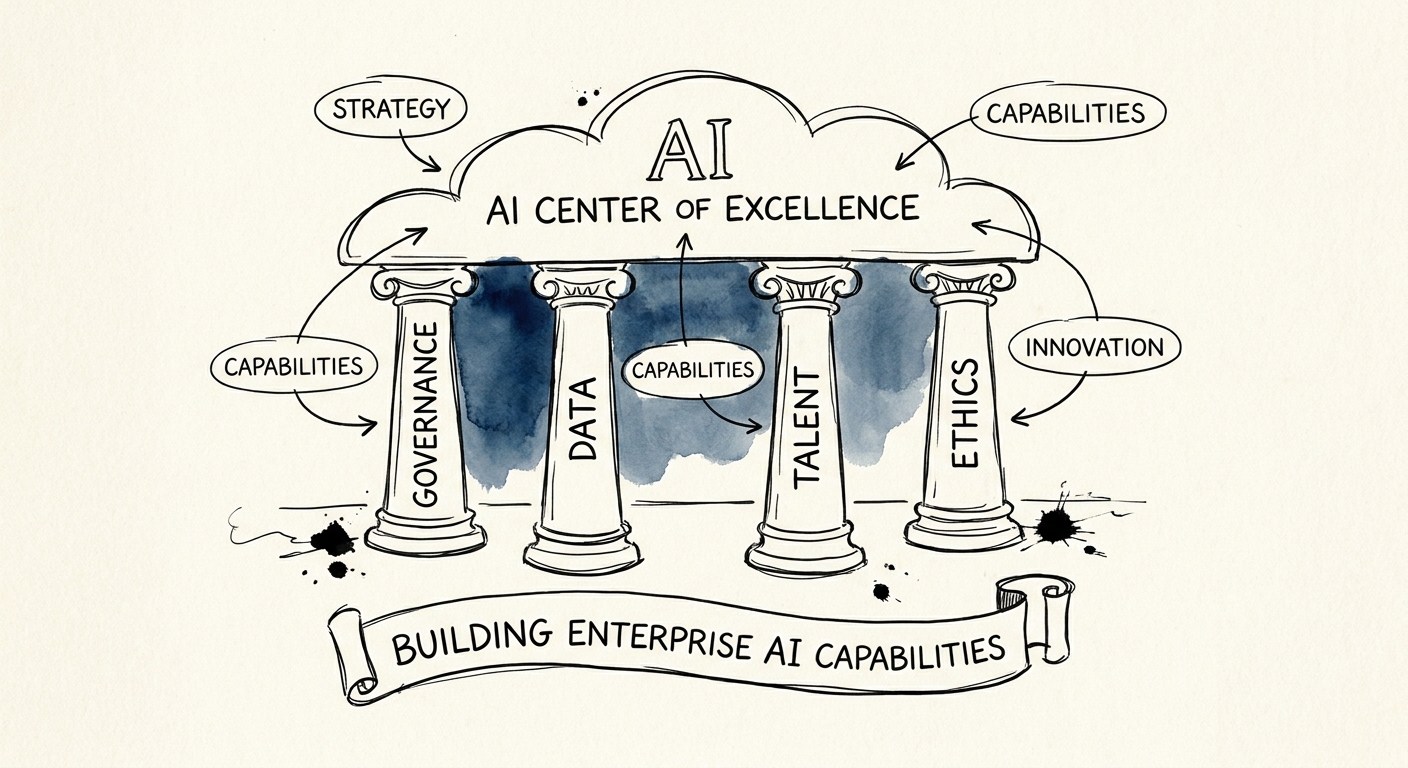
BRIEF · PROCESS DOCUMENTATION
Your AI Center of Excellence Is a Filing Cabinet, Not an Org Chart
Most AI Centers of Excellence are an org chart with no paperwork behind it. Here are the four documents that decide whether your models survive M&A diligence.
70% Budget burned in pilot phase without a CoE
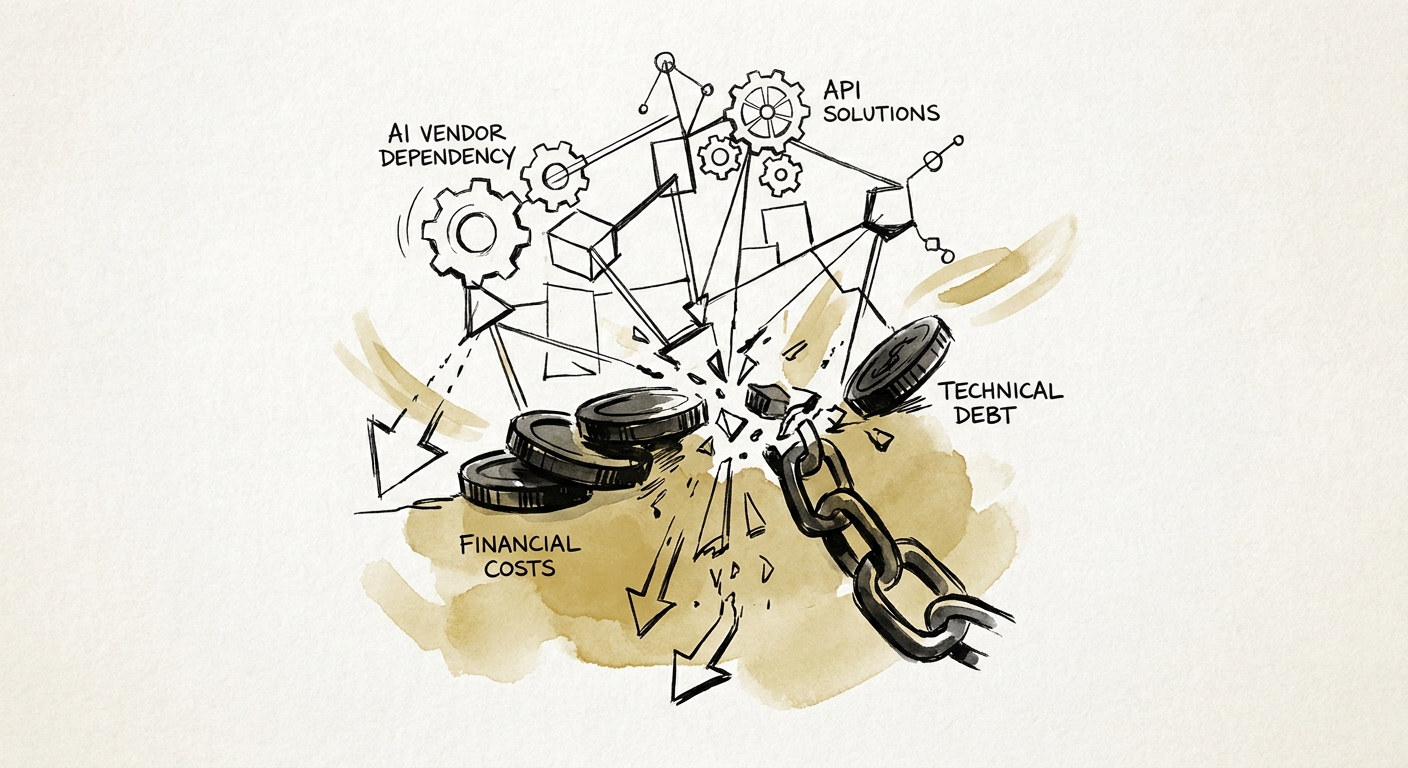
BRIEF · TECHNICAL DEBT
The Margin That Wasn't There: Auditing AI Vendor Dependency Before You Sign
A SaaS target's 82% gross margin can hide a single-vendor API bill that quietly halves it. How to diligence AI dependency, model drift, and COGS before LOI.
349% Increase in AI Infrastructure COGS
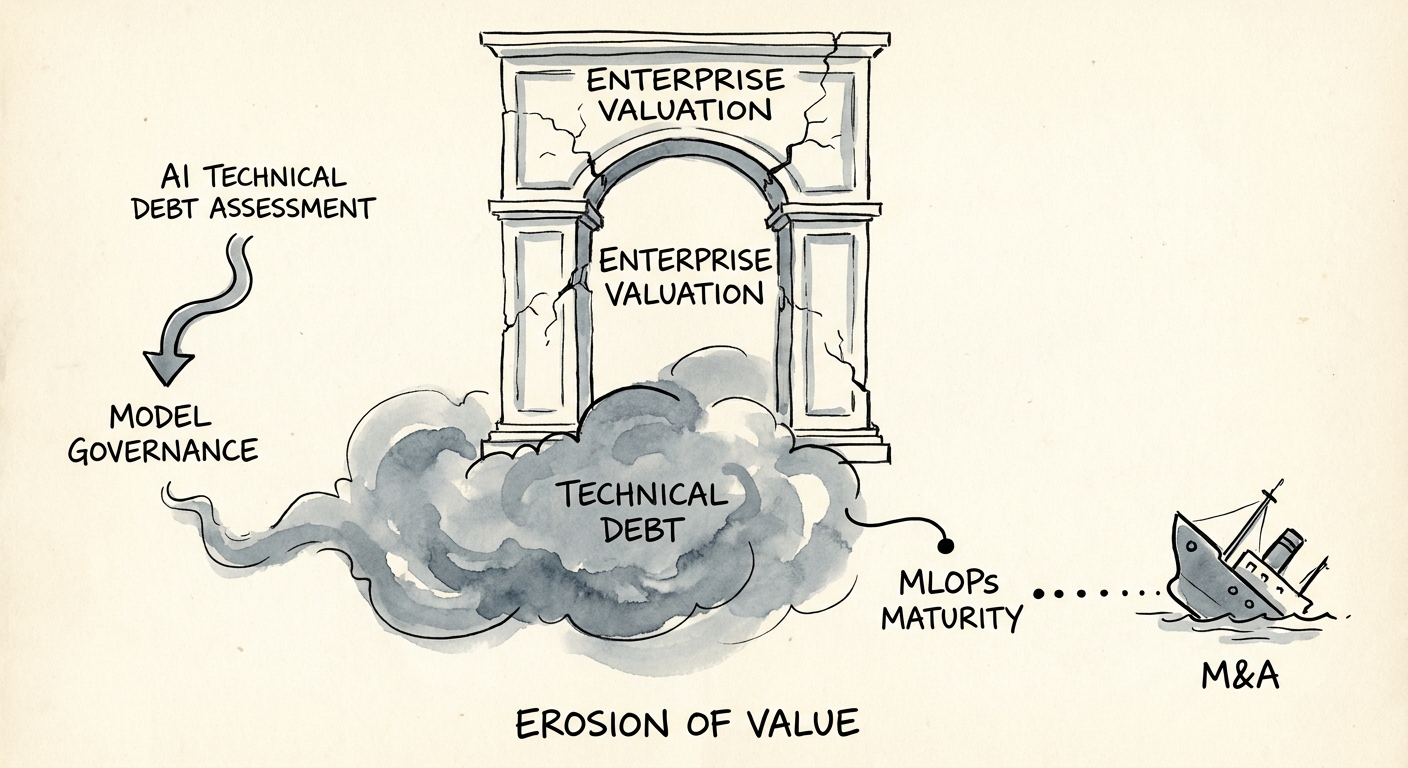
BRIEF · TECHNICAL DEBT
The MLOps Audit: How to Price an AI Target Before the Models Quietly Rot
AI targets don't fail in the codebase—they fail in the retraining pipeline. A buyer's field guide to auditing MLOps maturity, model drift, and registry gaps.
400% Maintenance vs. Development Cost Ratio for Ungoverned AI
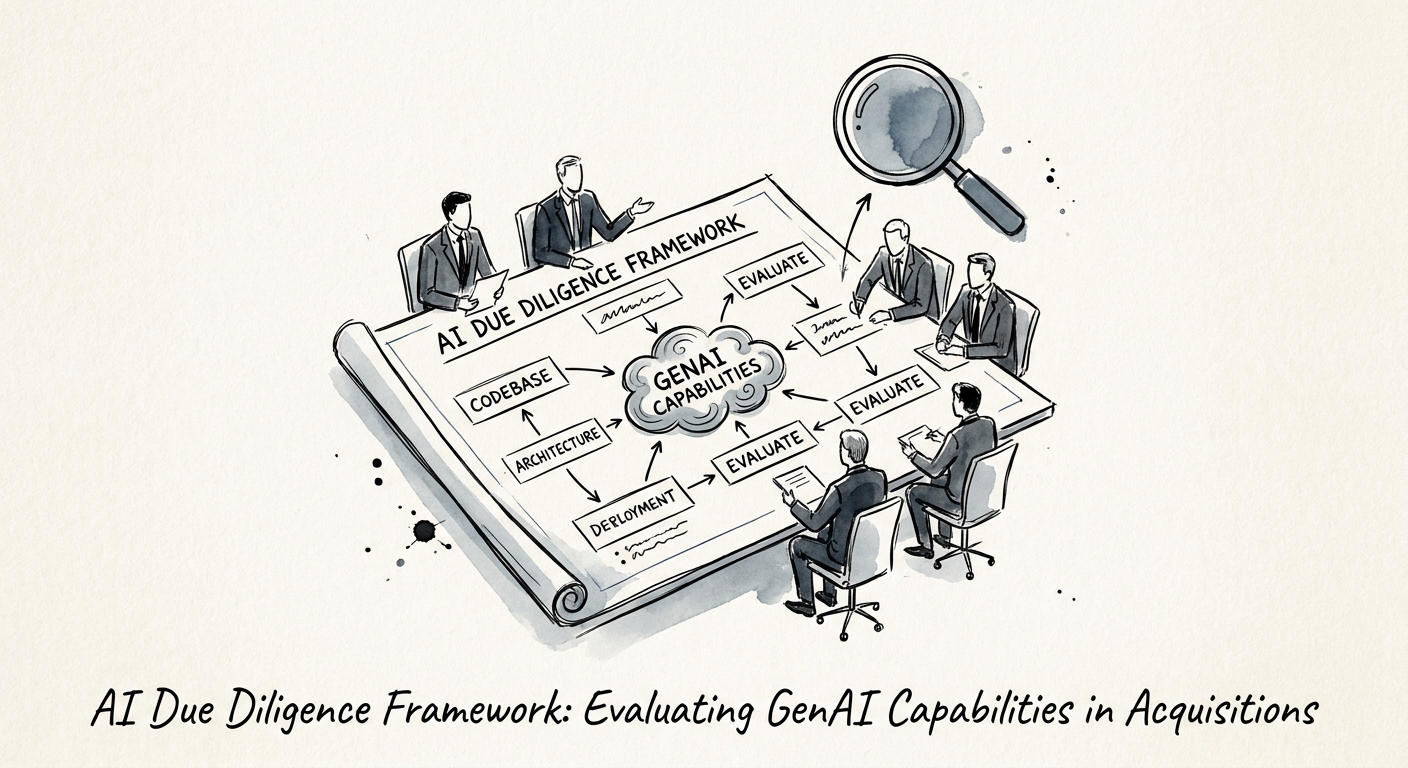
BRIEF · TECHNICAL DEBT
How to Diligence a GenAI Acquisition: Reading the CIM Against the Inference Bill
A PE diligence playbook for tech M&A: separate a real GenAI moat from a $25/month API wrapper, audit the IP chain, and price inference cost before you sign.
95% GenAI Pilot Failure Rate
BRIEF · TECHNICAL DEBT
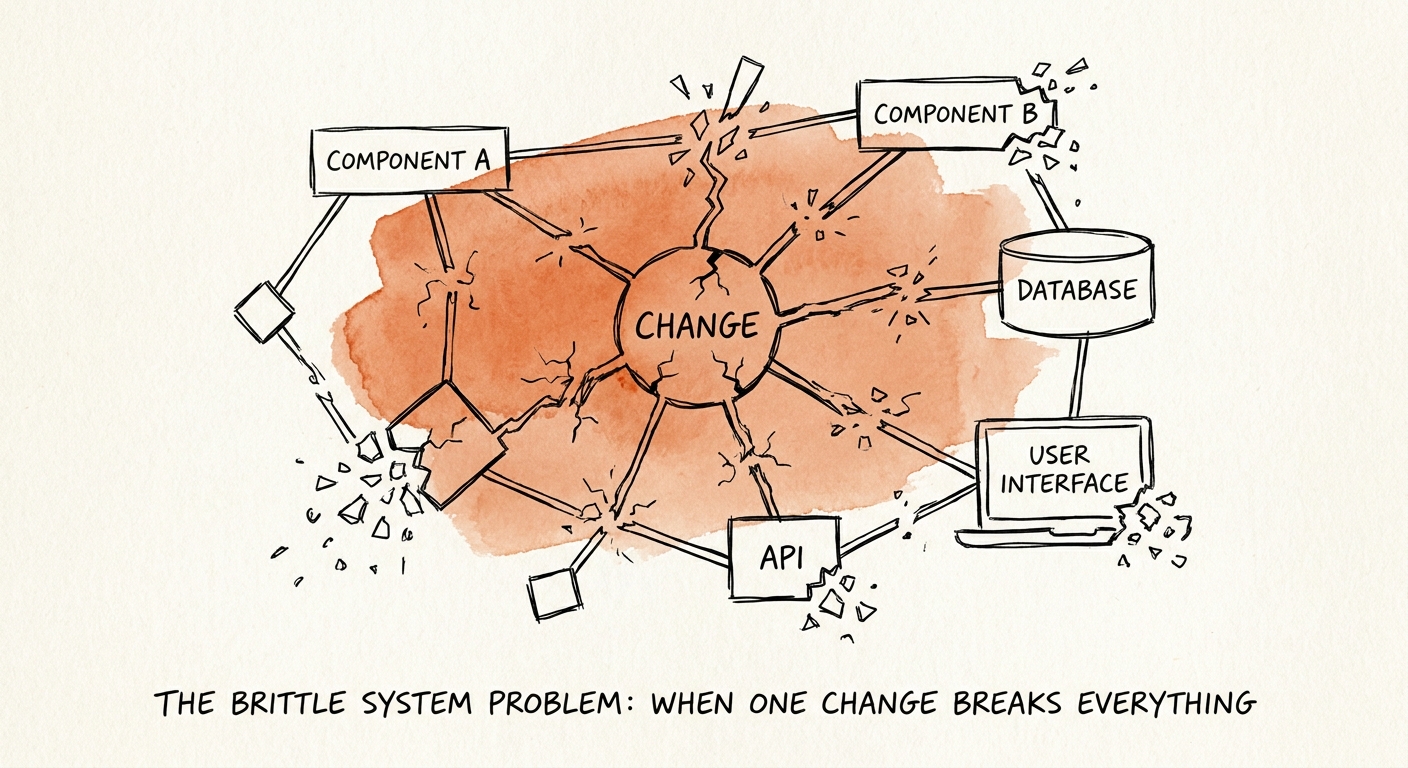
The Brittle System Problem: When a Dashboard Tweak Takes Down Billing
A two-line change to a reporting page shouldn't crash your payment gateway. When it can, buyers cut the price. Here's how brittleness becomes a 22% discount.
22% M&A Valuation Discount Applied to Brittle Architectures
BRIEF · TECHNICAL DEBT
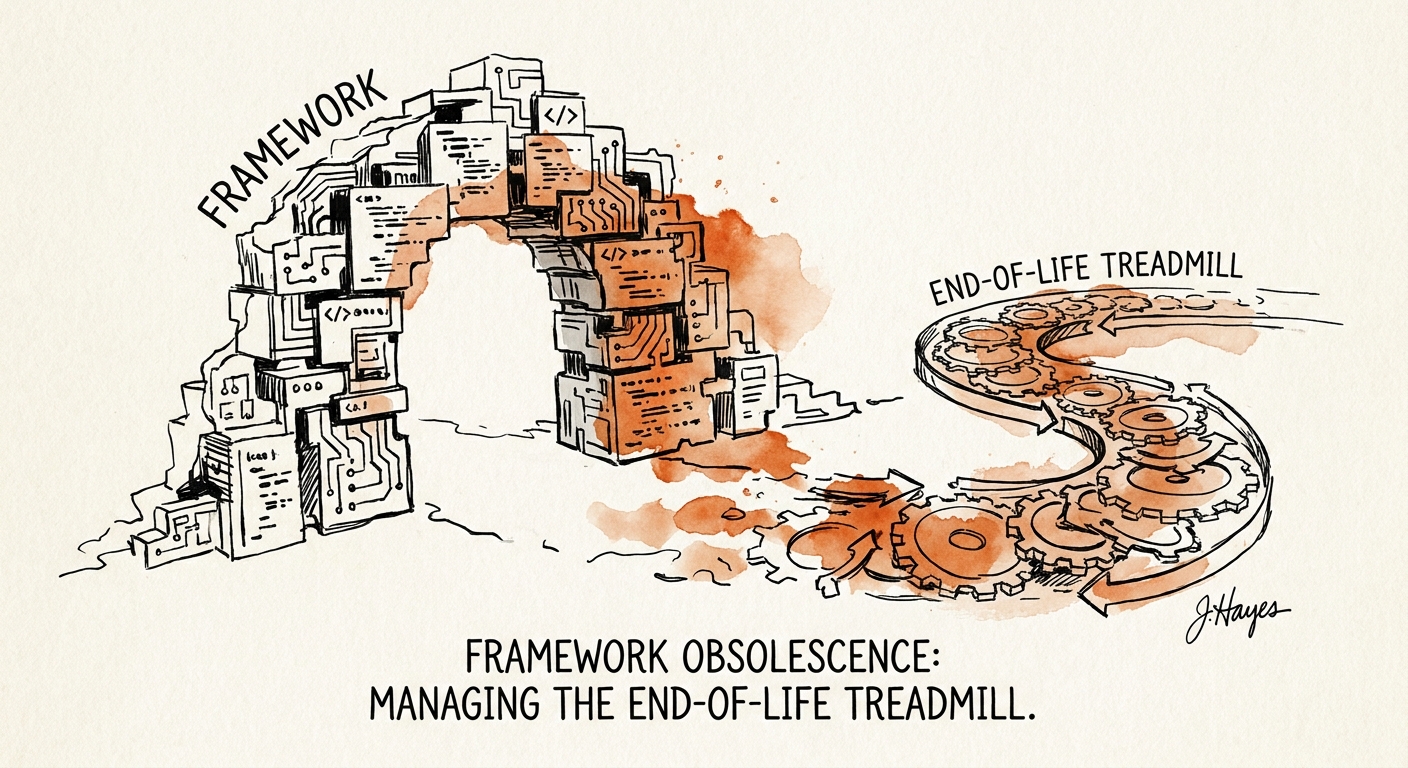
The End-of-Life Treadmill: How Dead Frameworks Sink SaaS Valuations
A frozen framework version is a diligence landmine. How SaaS leaders inventory end-of-life dependencies and run AI-assisted migration without freezing the roadmap.
EOL register first control for framework obsolescence