Renew vs. Renegotiate vs. Switch: The SaaS Renewal Decision
A decision guide for the moment a renewal quote lands with a price increase: when to renew as-is, when to negotiate caps and terms, when to switch vendors, and when the real answer is consolidation or ownership.
CFOs, controllers, FP&A leads, COOs, and IT leaders holding a renewal quote with an uplift they didn't budget for.
Use this when a renewal quote arrives with a price increase, a forced tier migration, or AI features bundled into the base price - and the auto-renew window is counting down.
Renew as-is
The tool is load-bearing, the increase is within market norms for the category, usage is genuinely high, and switching costs exceed several years of the uplift.
Renewing on habit because nobody built the usage evidence in time. 'We renewed because the window closed' is a process failure, not a decision.
A documented renewal with the next notice window calendared and a usage baseline recorded for next year's negotiation.
Renegotiate
Usage evidence shows unused seats or unneeded tiers, the uplift exceeds category norms, or contract terms are missing basics: a price-increase cap, an auto-renew opt-out, or true-up mechanics.
Negotiating without evidence or alternatives. A vendor who knows you have neither will hold the line - and cross-sell as a condition of any discount.
A signed renewal with a cap or reduced uplift, corrected seat counts, and notice terms you control.
Switch vendors
A credible alternative covers your actual usage (not the feature list - your usage), the data migration path is real, and the vendor has shown you what renewal life will look like from here.
Switching in anger. The reflex search after a price hike is 'alternatives' - but a switch decided in the anger window often lands on a vendor with the same renewal playbook and a year-one discount.
A migration plan with data ownership confirmed, parallel-run period, and exit terms on the new contract better than the ones you just escaped.
Consolidate or take ownership
The renewal exposes overlap with tools you already pay for - or the tool is expensive relative to what the team actually uses it for, the workflow is stable, and a named internal owner exists.
Pricing a build by subtracting the subscription fee from a contractor quote. The costs that kill builds are years two through five: maintenance, staffing, and the owner who leaves.
A consolidation plan onto platforms already paid for - or a five-year ownership cost model that earns the build decision before any code is written.
How to make the call
- Step 1
Check the auto-renew clock first
Find the notice window before doing anything else. Many contracts require 30-90 days' written notice to avoid auto-renewal at the new price - and the renewal that 'was legal from day one' usually was.
- Step 2
Build the usage evidence
Licenses assigned vs. actually active, features paid for vs. used, and overlap with other tools in the stack. Industry audits routinely find roughly half of provisioned licenses going unused - your vendor knows your number; you should too.
- Step 3
Price the uplift against category norms
A single-digit uplift on a well-used platform is market. A 40-171% increase, a forced tier migration, or AI features priced into the base without an opt-out is a negotiation - peers are pushing back on the same quote.
- Step 4
Establish a credible alternative before the vendor call
You don't need to want to switch; you need the vendor to believe you could. A scoped alternative with real migration math changes the conversation more than any negotiation script.
- Step 5
Only then ask the ownership question
If the renewal exposes a tool doing 'a form and three reports' at platform prices, run it through a real ownership screen - stable workload, weak moat, material spend, named owner - before anyone gets excited about building.
The renewal quote is a test of preparation, not a negotiation of personalities.
Vendors plan renewals quarters ahead: usage telemetry, uplift targets, expansion quotas. Most buyers open the quote a few weeks before the deadline with none of the equivalent evidence. That asymmetry - not vendor greed - is why renewals keep landing at 40% up and closing at 38%.
The fix is a decision sequence, run in order, before the notice window closes. Renew, renegotiate, and switch are the visible options. The two the quote never advertises - consolidate onto something you already pay for, or own the capability outright - are worth testing exactly once the evidence exists, and almost never in the anger window.
One number worth carrying into any renewal season: license-management audits repeatedly find organizations actively using only around half of the seats they pay for (Zylo’s 2026 SaaS management index reports 54% utilization, and Gartner has estimated roughly 25% of SaaS spend is wasted). The cheapest negotiation is the one where you stop paying for what nobody uses.
And a word on independence, because it decides whose advice you can use at this moment: resellers earn commissions on what you renew, platforms earn subscriptions on your continued spend, and development shops earn builds. Whoever advises you at renewal time should be paid the same whatever you decide.
Where the decision turns into work
Office of the CFO
ARR waterfalls, board reporting, FP&A, unit economics, forecast accuracy, and finance infrastructure for technology companies scaling or preparing for exit.
Performance Improvement
Revenue, margin, delivery, technical debt, and operating-system improvement for technology firms with stalled growth or compressed EBITDA.
Frequently asked
- The renewal is 30 days out. Is it too late to do any of this?
- It's too late to do all of it, not too late to do the parts that matter. Check the notice window today; if auto-renewal hasn't locked, a one-week usage audit plus a direct ask - cap the increase, fix the seat count, add an opt-out - routinely moves quotes even at short range. Then calendar next year's window so this never happens on the clock again.
- What is a price-increase cap and can we actually get one?
- A cap is a contract term limiting how much the price can rise at each renewal - commonly requested at 3-7% annually. Vendors grant caps far more often than buyers ask, especially in exchange for term length. If you sign multi-year for a discount, the cap is the clause that keeps year three from undoing it.
- Should we hire a negotiation platform instead?
- SaaS negotiation platforms typically charge annual subscriptions and are strongest on price benchmarks across many vendors. What they don't ask is whether the tool should be a subscription at all - switch, consolidate, and ownership are outside their model. For one material renewal, independent flat-fee judgment usually costs less than a platform year and answers the bigger question.
- The vendor bundled AI features into the renewal and raised the price. Do we have to pay for that?
- Push back explicitly. Forced AI bundling - paying more for features nobody asked to turn on - is one of the most common uplift patterns in current renewals, and vendors increasingly maintain unbundled tiers or discounts for customers who ask directly. Make them price the AI separately, then decide if it's worth it.
Articles that support the decision
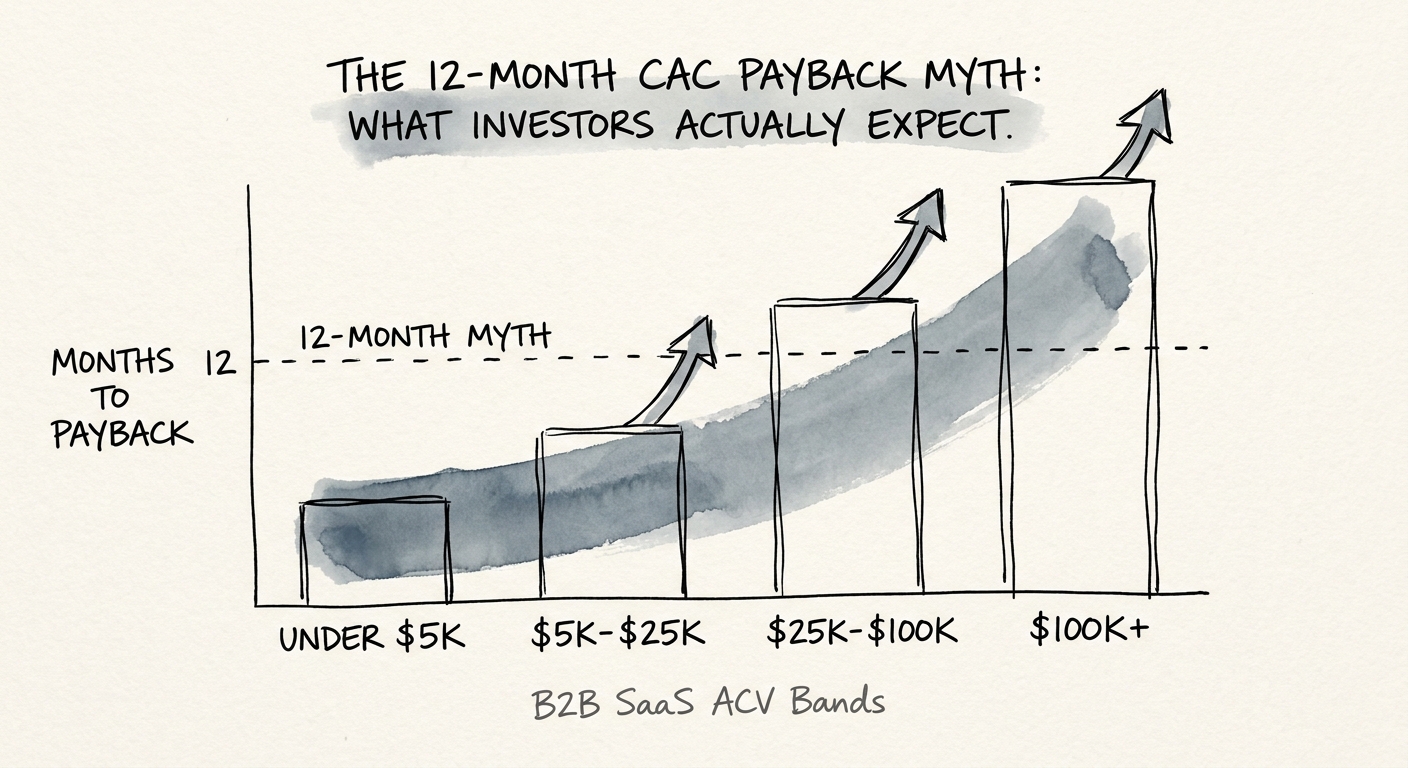
BRIEF · FINANCIAL INFRASTRUCTURE
The 12-Month CAC Payback Rule Is Costing You the Enterprise
A "perfect" 12-month blended CAC payback often hides a starved enterprise pipeline. Here's the cohort math buyers actually underwrite — and the 88% NRR it exposes.
18 Months (Median B2B SaaS CAC Payback)
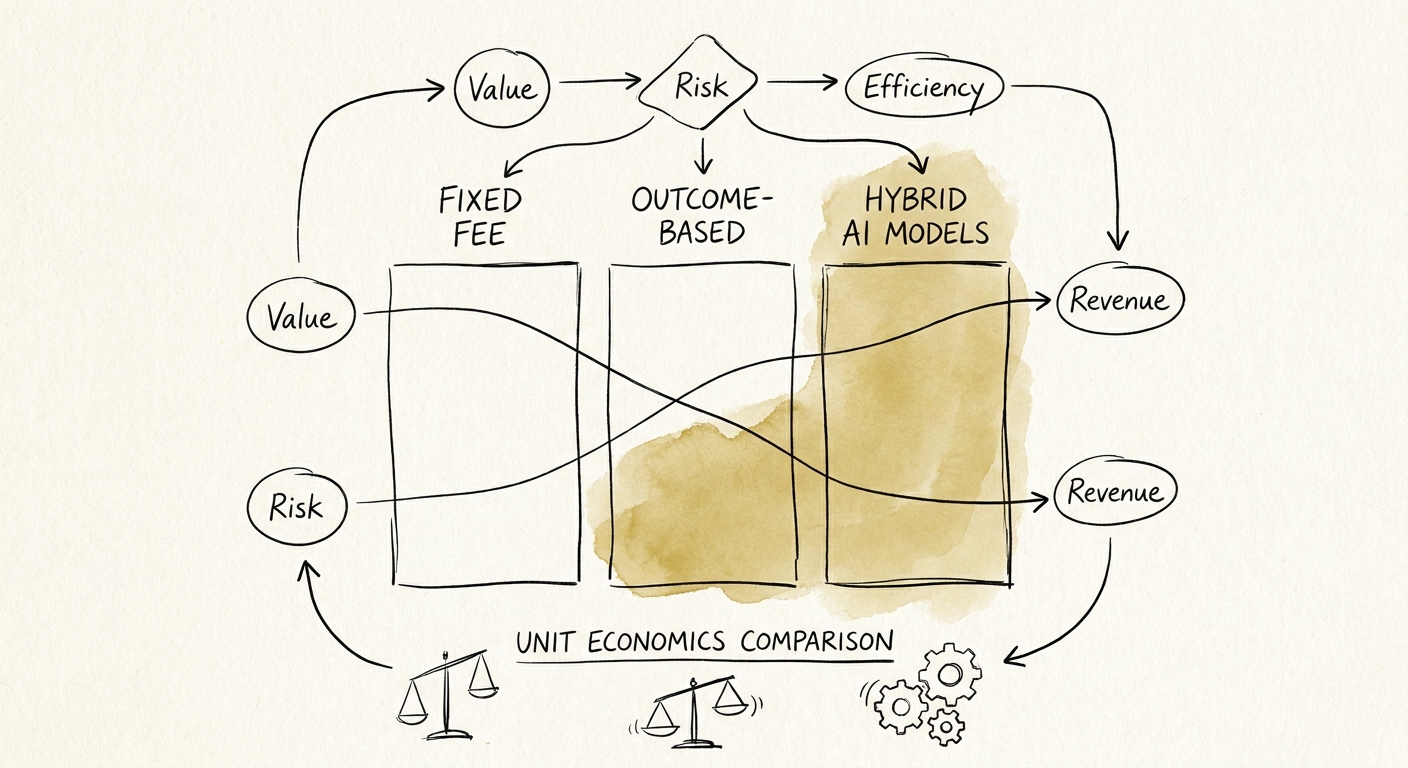
BRIEF · UNIT ECONOMICS
How to Price a Generative AI Build: Why One Number Wrecks Your Margin
Quoting one fixed number for a generative AI build means absorbing the client's data debt and uncapped inference costs. Here's the three-layer pricing fix.
3 Pricing layers to separate
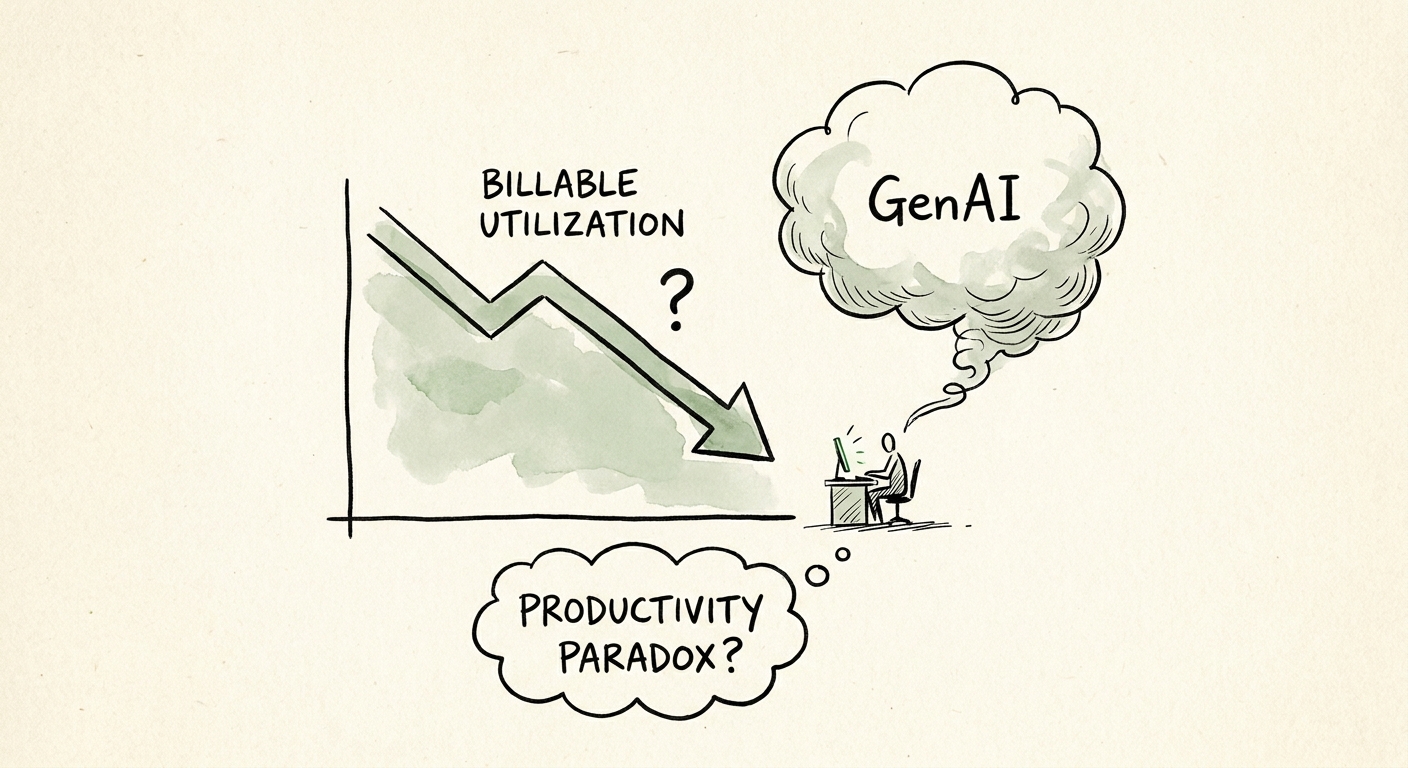
BRIEF · UNIT ECONOMICS
When AI Makes Your Consultants Faster, Who Keeps the Money?
If your firm sells time and AI cuts the hours, the savings go to the client, not your margin. How services leaders fix the realization leak before scaling GenAI.
4 commercial model changes needed after AI productivity gains
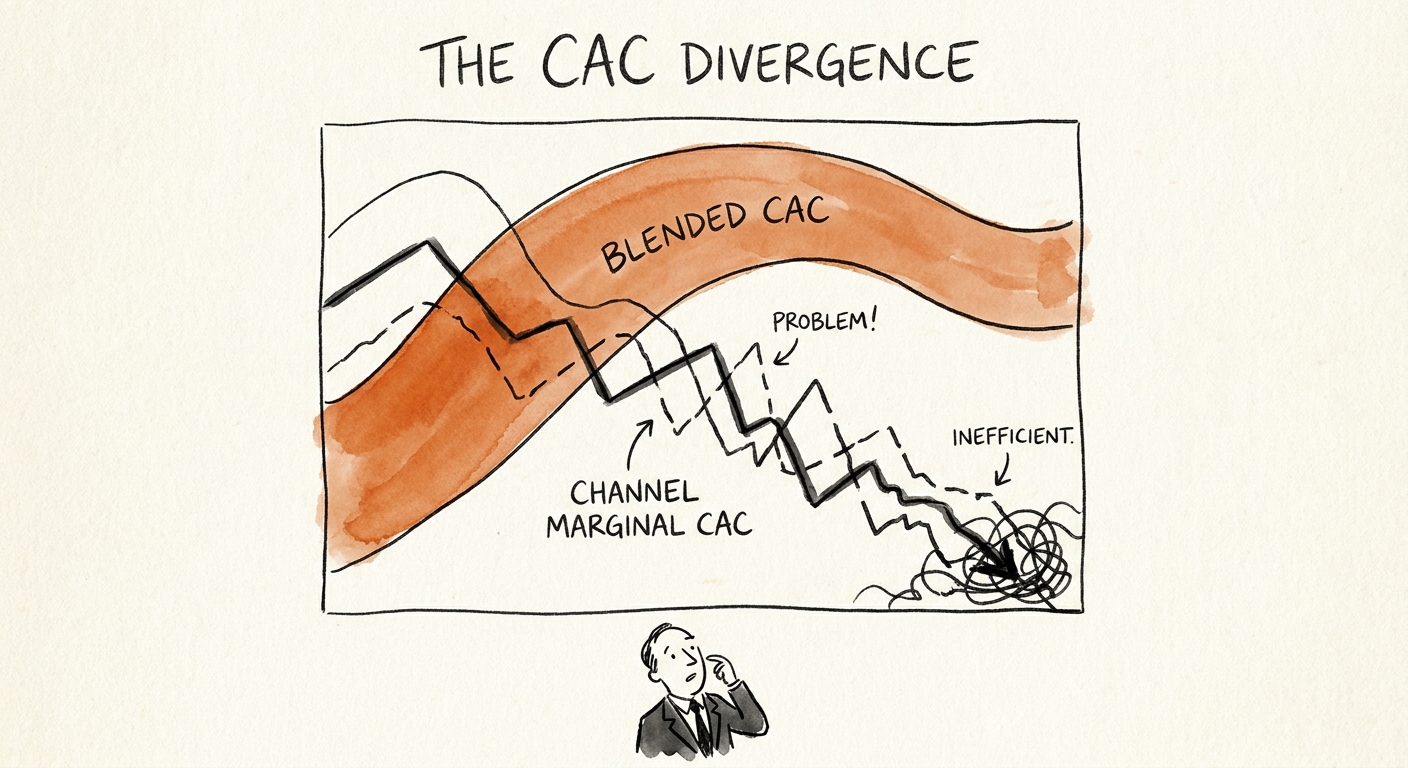
BRIEF · FINANCIAL INFRASTRUCTURE
Your $12K Blended CAC Is Three Numbers Wearing a Trenchcoat
A $40M ARR SaaS company showed a 14-month CAC payback. Its paid search was actually 38 months. How blended CAC hides the channel eating your EBITDA.
3.5x Variance between worst and best channel CAC in mid-market SaaS
BRIEF · UNIT ECONOMICS
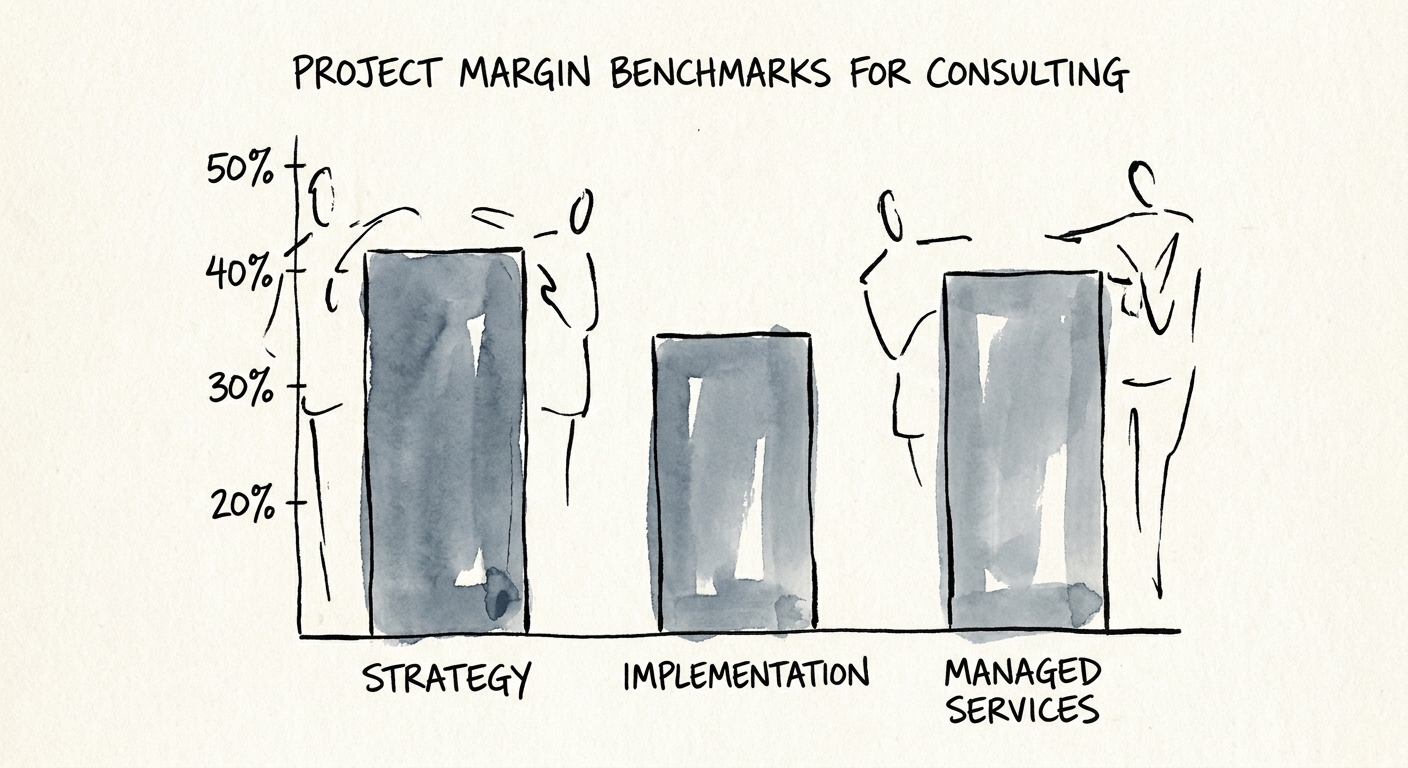
Why Your Blended 42% Consulting Margin Is Hiding a Losing Implementation Business
A single blended gross margin hides which of your engagements actually make money. Here are the 2026 margin floors for strategy, implementation, and managed services.
32% Average Implementation Gross Margin
BRIEF · FINANCIAL INFRASTRUCTURE
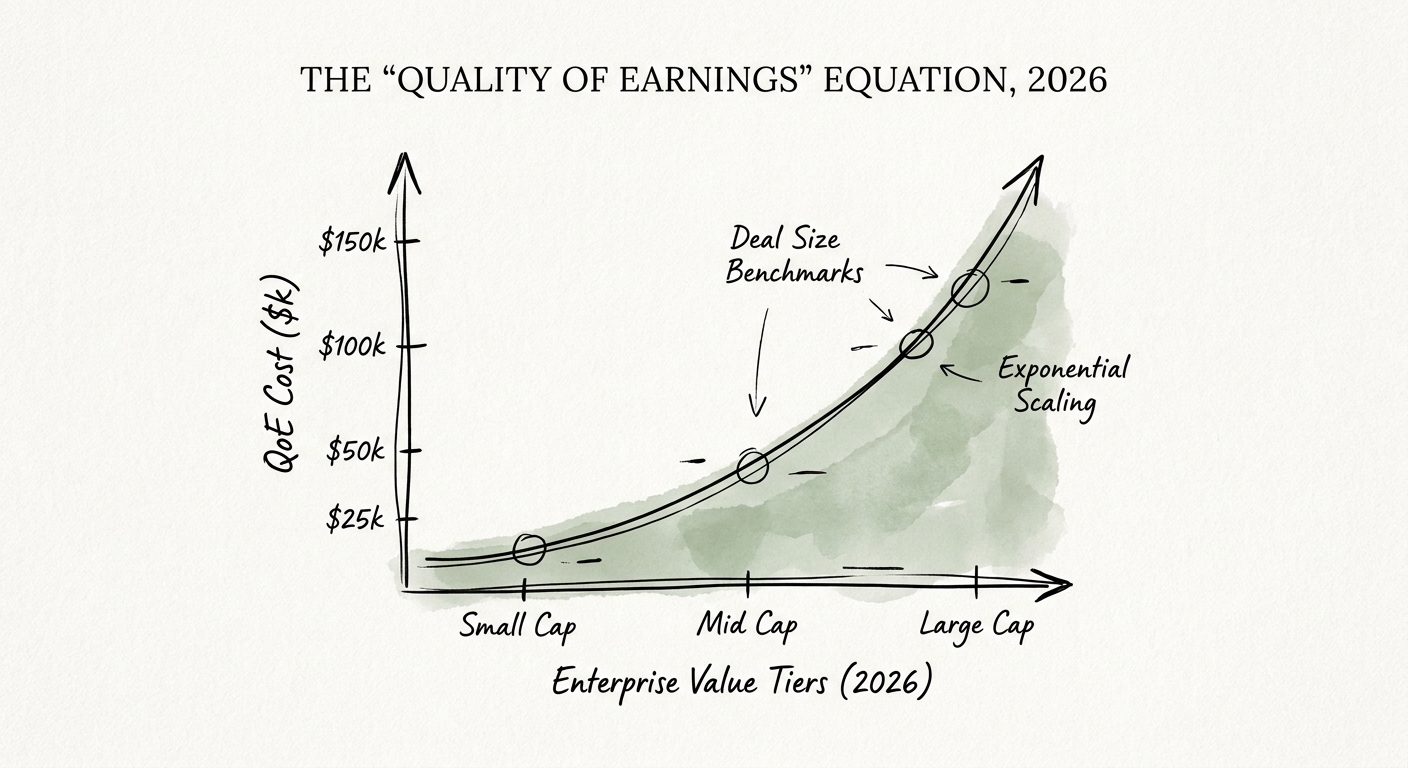
Quality of Earnings Report Cost: $25k to $150k Benchmarks by Deal Size
An operator's guide to Quality of Earnings report costs, with $25k-$150k benchmarks by deal size and the seller preparation areas that protect enterprise value.
$25k-$150k Common QoE Cost Range