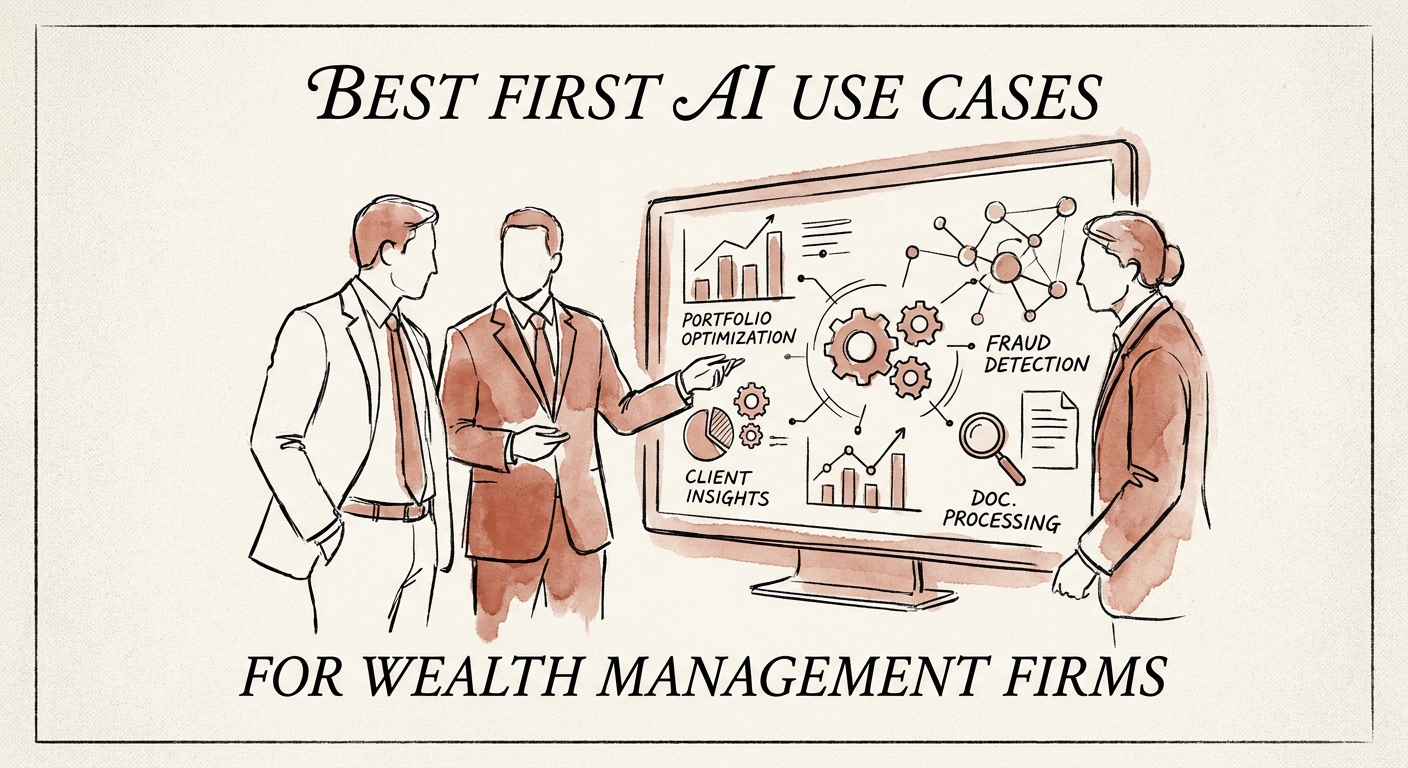
Start where a wrong answer can't reach the client
Picture a 14-advisor RIA on a Monday. Each advisor has four review meetings booked, and the night before, they're digging through last quarter's notes, the CRM, a service ticket about a wire that didn't clear, and a held-away account the client mentioned in passing in February. That scramble is where AI earns its first paycheck at a wealth firm. Not in talking to clients. In getting the advisor ready to.
The reason to start with the pre-meeting brief is boring and correct: a mistake in a draft brief gets caught by the person who knows the household. A mistake in a client email or a "recommended next step" gets caught by a regulator. The FINRA report on artificial intelligence in the securities industry is the document that should shape this build, not generic adoption decks, because everything in this business sits on top of supervision, recordkeeping, communications rules, and suitability. The Deloitte State of AI in the Enterprise 2026 data on enterprise adoption is fine context, but only once you've defined the win as advisor hours saved under supervision rather than "productivity."
So the first pilot is narrow on purpose: assemble a reviewed meeting brief from approved research, the CRM record, prior notes, open service items, and account context. It surfaces what it used, what's missing, and what needs follow-up. It does not draft the client email. It does not suggest a reallocation. The advisor walks in prepared; the advisor still decides.
The line that keeps you out of trouble: assemble, never infer
Here is the distinction every wealth firm gets wrong on the first try. There are two jobs hiding inside "AI for meeting prep," and only one of them is safe to ship.
Assemble is pulling the client's actual stated risk tolerance from the file, listing the three open items from the service queue, and flagging that the IPS hasn't been updated since the 2024 review. Every line traces to a record. Infer is the model writing "client appears comfortable with more equity exposure" or "recommend revisiting the bond ladder." That sentence sounds like an advisor wrote it, which is exactly the problem: it reads as suitability judgment with no human and no source behind it. Ship the first, ban the second, and write the ban into the system instruction and the UI so it's visible.
The NIST AI Risk Management Framework gives leadership the language to set this up: who reviews, what gets measured, when it escalates. Pick metrics a compliance officer recognizes. Prep-time per meeting. Rate of briefs missing a current source. Number of times a reviewer struck an inferred claim. Advisor acceptance rate. Follow-up items that actually closed. Watch that struck-claim count closely in the first 60 days. If reviewers keep deleting the same kind of unsupported sentence, your source set is too loose or the prompt is doing too much. Tighten before you expand. A pilot that teaches you which records are clean and which are stale has already paid for itself.
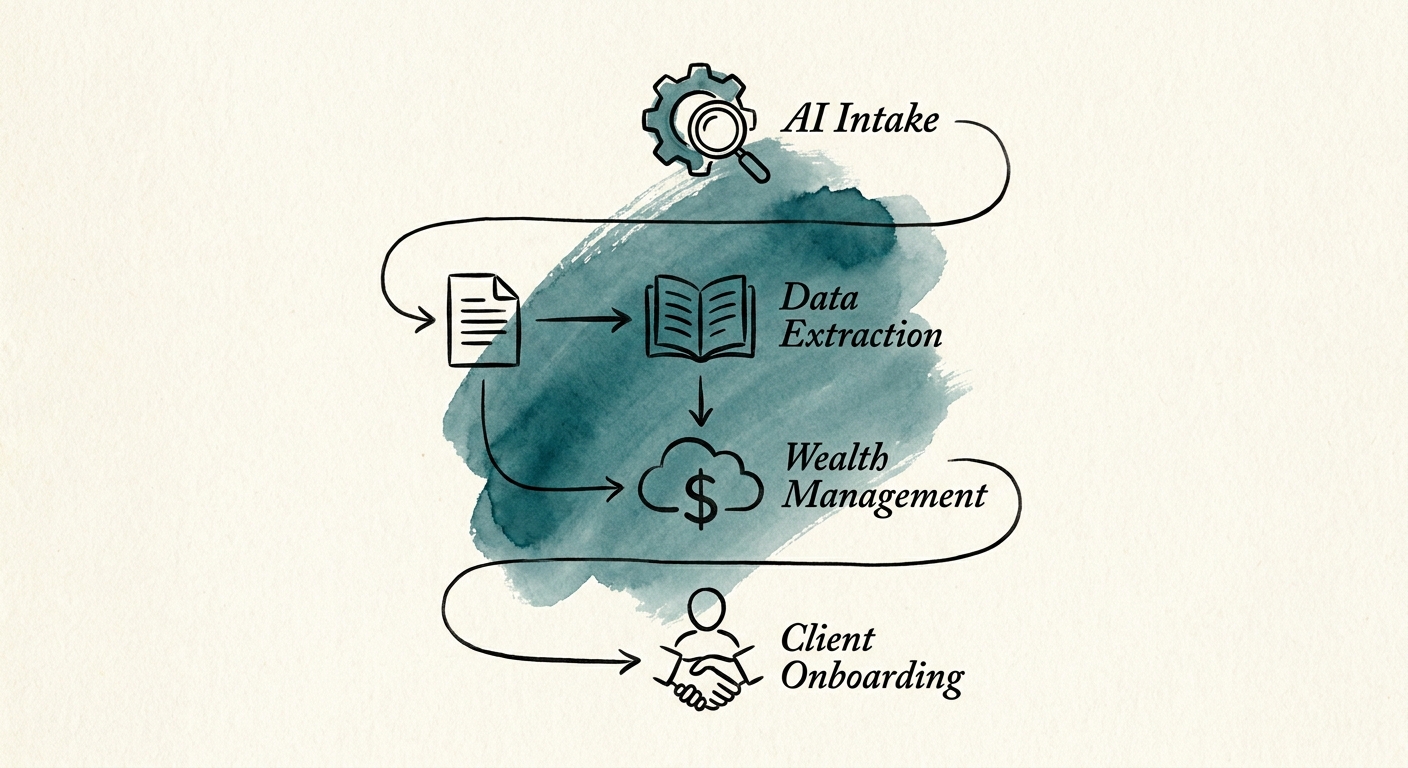
Treat the client file like the regulated asset it is, then earn the next step
A meeting brief touches the most sensitive material the firm holds: account balances, held-away assets, the note where an advisor wrote down that a client is going through a divorce. The CISA AI data-security best practices should govern access, retention, and logging here, with a hard wall between internal prep and anything that could leave the building as a client communication. You should be able to answer, for any brief, exactly which records it read. If you can't, you don't have a pilot, you have an exam finding.
Resist the most common mistake of all: treating a fast, clean prep tool as proof the firm is ready to let AI draft client messages or suggest portfolio moves. It is not the same problem, and the supervision trail you built for prep does not transfer to communications. Earn the next step. Expand from meeting prep to service follow-up or internal knowledge retrieval only after a quarter of reviews shows fewer prep gaps, traceable sources, and zero unsupervised client-facing output. The graduation criterion is the audit trail, not the advisor's enthusiasm.
If you want to decide which workflow goes first, run advisor prep against your back-office service queue through the AI Opportunity Score and compare them on the same axes. The best first move for a wealth firm protects the advisor's judgment and strips out the repetitive prep grinding around it. Do that one thing well and the next twelve get easier to govern.