AI Audit vs. AI Implementation Sprint: Decision Guide
A decision guide for choosing an AI audit, AI transformation blueprint, or implementation sprint based on readiness, workflow clarity, and risk.
Owners, COOs, CFOs, IT leaders, and functional leaders deciding whether to diagnose, roadmap, or build first.
Use this when leadership wants AI progress but is unsure whether the next step should be assessment or implementation.
AI audit
The first use case is unclear, risk needs screening, or leadership needs a short practical readout before spending on implementation.
Audits that produce generic ideas without ranking value, feasibility, risk, and adoption.
Workflow inventory, top use-case backlog, risk screen, and 30-day quick-win plan.
AI transformation blueprint
Multiple departments have AI ideas and the company needs a two-week roadmap, governance model, value model, and implementation sequence.
Roadmaps that do not assign owners, metrics, governance, and first sprint scope.
Prioritized roadmap, vendor criteria, policy draft, value model, and 90-day implementation plan.
Implementation sprint
The business has a clear backlog, committed owners, data access, and readiness to build 2-4 workflows in 90 days.
Builds that skip workflow redesign, human review, testing, training, or measurement.
Production workflows, SOPs, training, monitoring, and weekly operating review.
How to make the call
- Step 1
Test workflow clarity
If the workflow cannot be described in one paragraph, audit before build.
- Step 2
Test owner readiness
Implementation requires process owners who can attend weekly reviews and test outputs.
- Step 3
Test data readiness
If data, documents, or system access are unclear, blueprint the path before building.
- Step 4
Test risk level
Customer-facing, financial, employee, legal, or regulated workflows need governance before scale.
- Step 5
Choose the smallest credible next step
The right move should create learning and value without pretending AI is ready for every workflow.
The wrong first step wastes months.
If the company is not sure which workflow should go first, build work will chase noise. If the workflow is obvious and low-risk, another strategy exercise may be delay. Match the engagement to readiness.
Where the decision turns into work
Office of the CFO
ARR waterfalls, board reporting, FP&A, unit economics, forecast accuracy, and finance infrastructure for technology companies scaling or preparing for exit.
Performance Improvement
Revenue, margin, delivery, technical debt, and operating-system improvement for technology firms with stalled growth or compressed EBITDA.
Frequently asked
- When should a business skip the audit?
- Skip the audit only when the workflow, owner, data, risk boundary, and metric are already clear.
- What is the difference between an audit and a blueprint?
- An audit chooses the first opportunities. A blueprint turns multiple opportunities into a roadmap, governance model, and implementation sequence.
- What makes an implementation sprint ready?
- A sprint is ready when the backlog is prioritized, owners are available, data access is clear, and quality review is designed.
Articles that support the decision
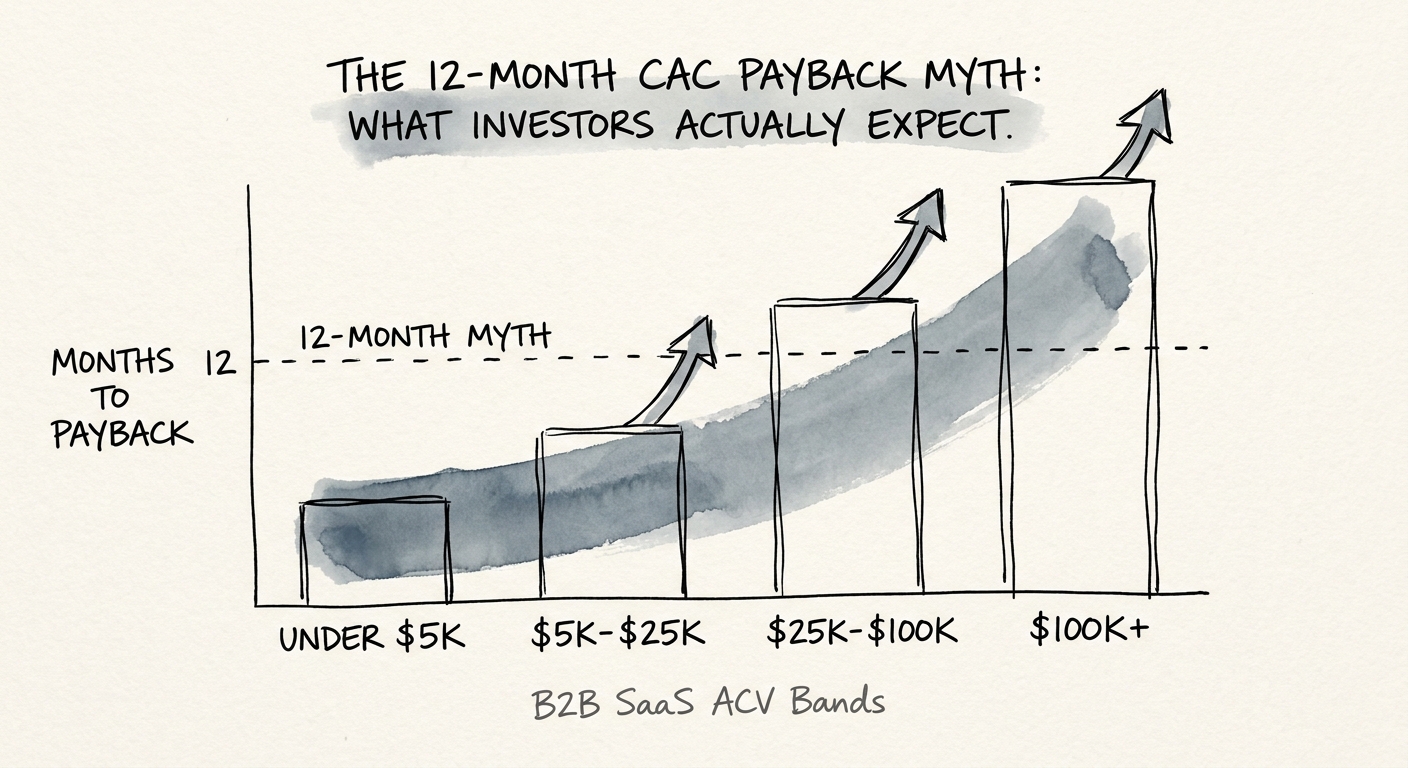
BRIEF · FINANCIAL INFRASTRUCTURE
The 12-Month CAC Payback Rule Is Costing You the Enterprise
A "perfect" 12-month blended CAC payback often hides a starved enterprise pipeline. Here's the cohort math buyers actually underwrite — and the 88% NRR it exposes.
18 Months (Median B2B SaaS CAC Payback)
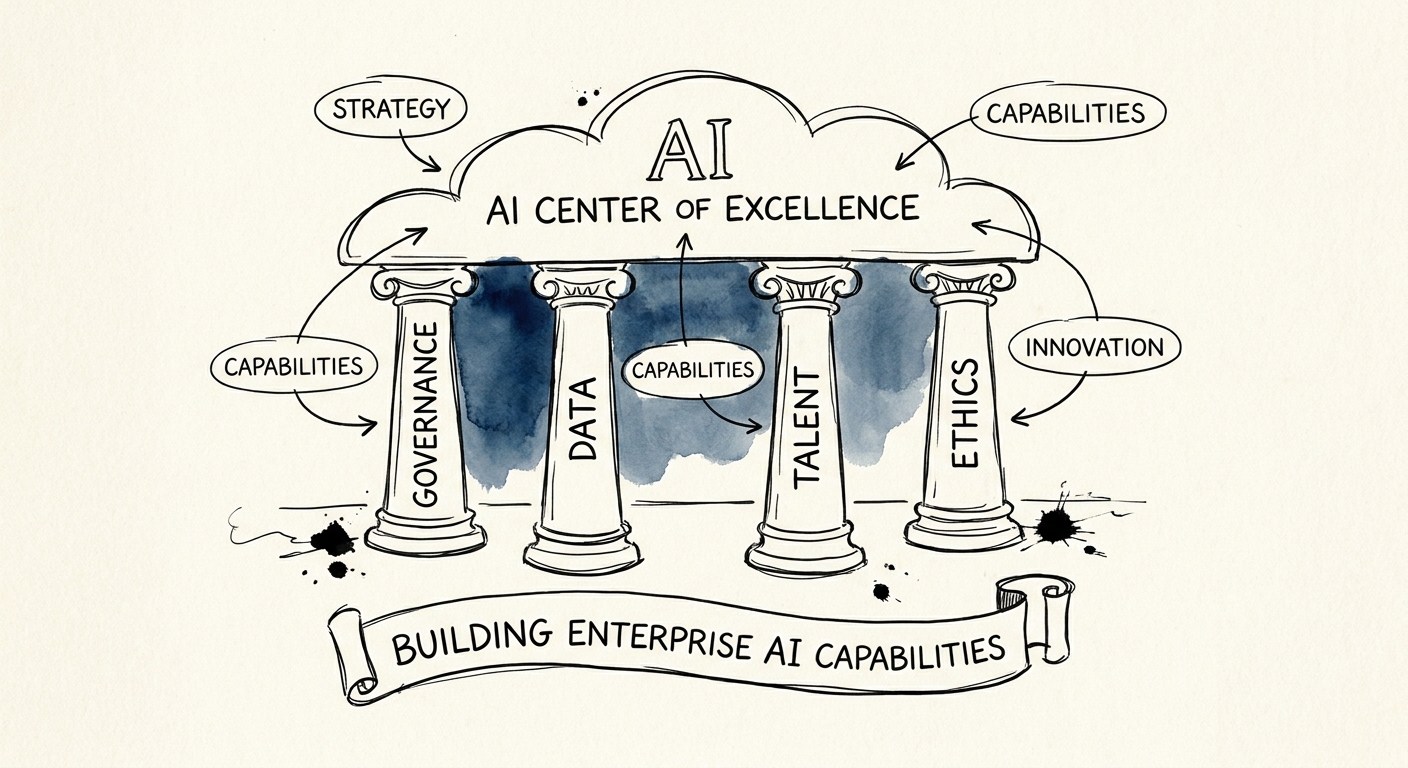
BRIEF · PROCESS DOCUMENTATION
Your AI Center of Excellence Is a Filing Cabinet, Not an Org Chart
Most AI Centers of Excellence are an org chart with no paperwork behind it. Here are the four documents that decide whether your models survive M&A diligence.
70% Budget burned in pilot phase without a CoE
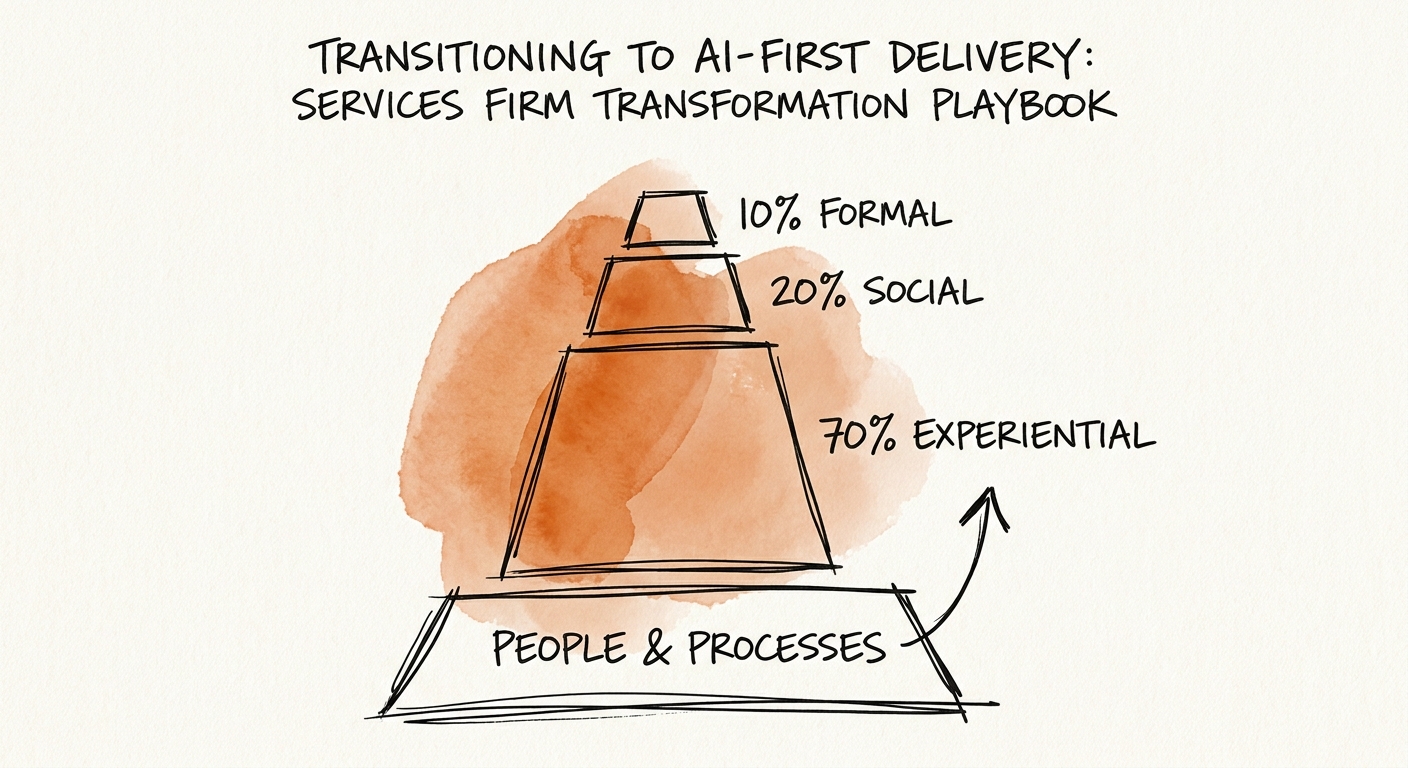
BRIEF · PROCESS DOCUMENTATION
AI-First Delivery for Services Firms: Rebuild the Workflow, Not the Pitch Deck
A services firm bills hours but sells outcomes. Here's how to move one delivery lane to AI-first without quietly breaking your own margin math.
4 delivery-model changes before AI-first scale
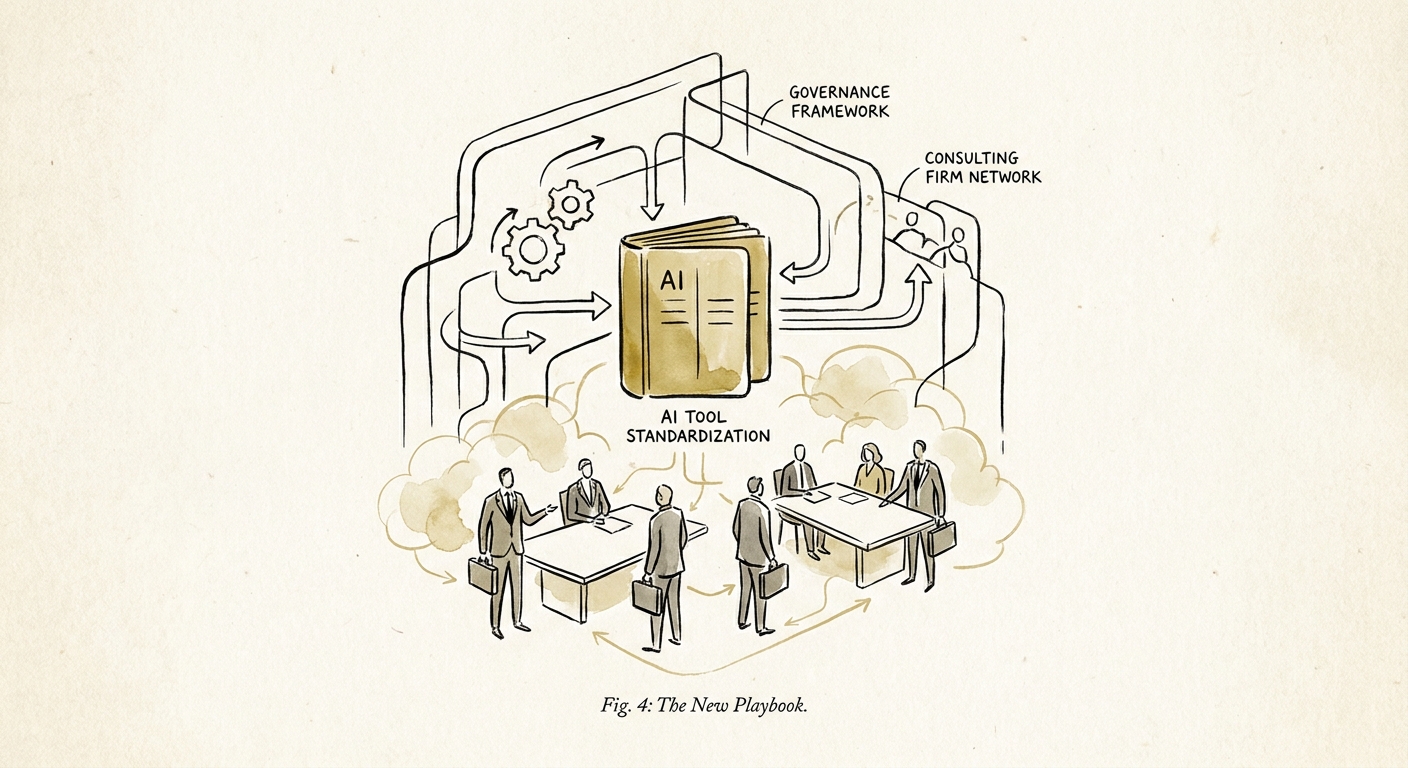
BRIEF · PROCESS DOCUMENTATION
Your Consultants Have 11 AI Tools. Your Buyer Counts Every One.
A diligence team can find every rogue AI subscription in your consulting firm in an afternoon. Here's how tool sprawl becomes a valuation lever — and how to close it.
14% Enterprise Value Bleed from Shadow AI
BRIEF · FINANCIAL INFRASTRUCTURE
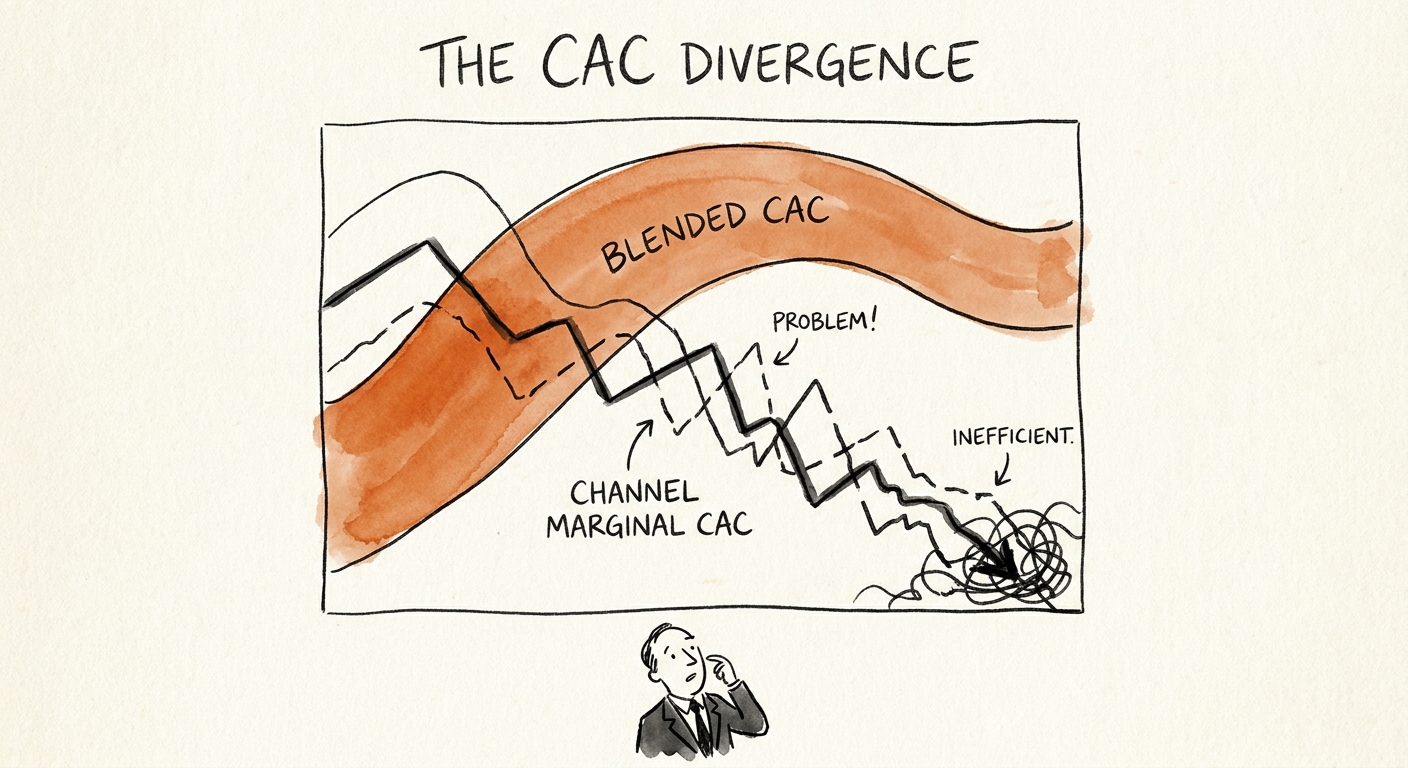
Your $12K Blended CAC Is Three Numbers Wearing a Trenchcoat
A $40M ARR SaaS company showed a 14-month CAC payback. Its paid search was actually 38 months. How blended CAC hides the channel eating your EBITDA.
3.5x Variance between worst and best channel CAC in mid-market SaaS
BRIEF · PROCESS DOCUMENTATION
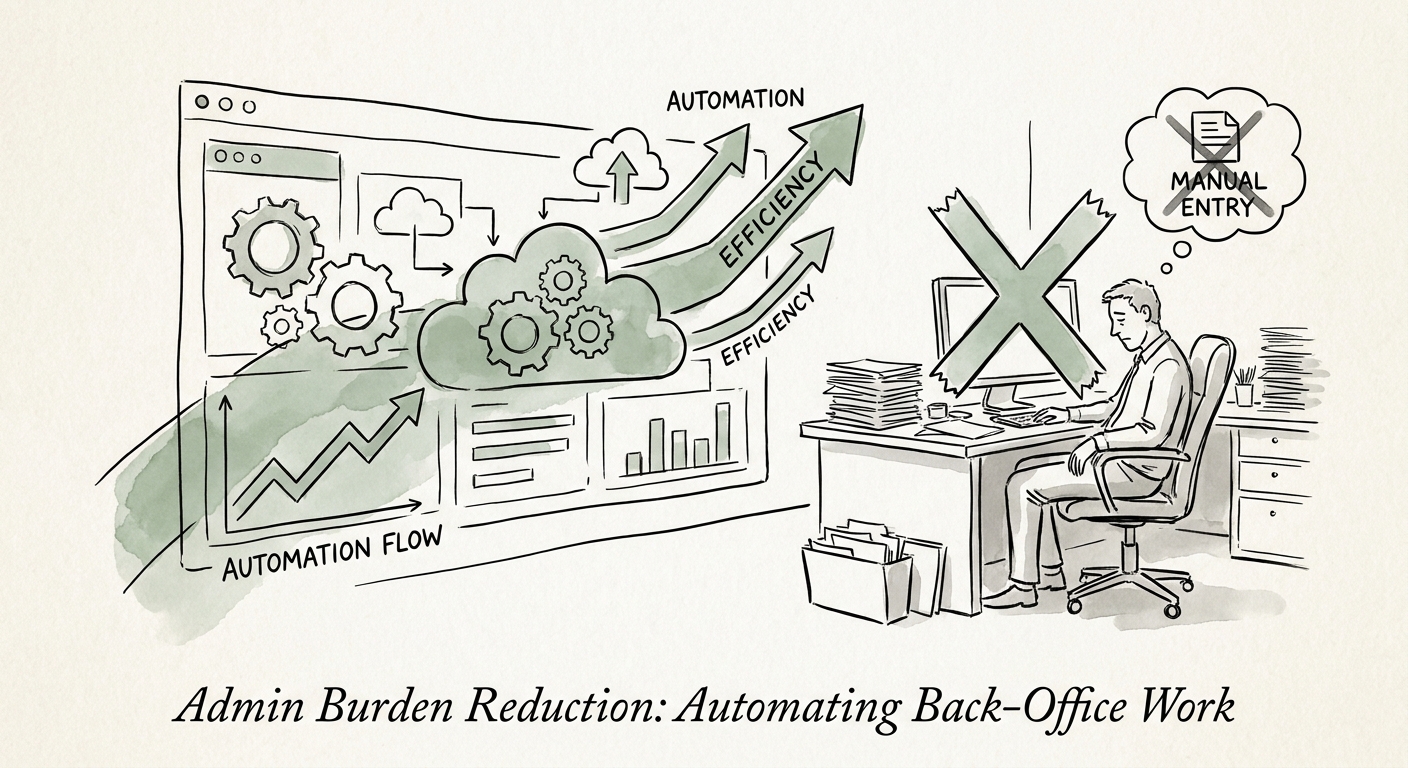
The VLOOKUP Tax: Why Your SaaS Back Office Hires Linearly (And How to Stop)
Eight people reconciling Stripe against NetSuite by hand is not a staffing problem — it's a margin leak. How SaaS scale-ups break linear back-office hiring.
73% Failure rate of automation implementations due to undocumented underlying processes