AI Governance Sprint vs. Employee Training: Decision Guide
A decision guide for choosing AI governance, employee training, or both when a small or medium business wants safer AI adoption.
Owners, CEOs, COOs, HR leaders, IT leaders, and managers responsible for safe employee AI use.
Use this when employees are already using AI and leadership needs to decide whether training alone is enough.
Employee AI training
The company has basic rules in place and employees need practical examples for their role.
Training that teaches prompts without explaining data, review, and customer-facing risk.
Role-based workshops, examples, review standards, and manager guidance.
AI governance sprint
Employees are using AI without approved tools, data rules, review standards, or escalation paths.
Policy theater that nobody uses or rules that block all practical adoption.
Acceptable-use policy, approved tools list, data rules, review standards, and governance cadence.
Combined governance and training
The company wants safe adoption across multiple teams and needs rules plus practical enablement.
Launching training before rules or writing rules without teaching teams how to work.
Policy, workshops, role examples, manager playbook, and quarterly review model.
How to make the call
- Step 1
Inventory current usage
Ask what tools employees use, what data they enter, and which outputs reach customers or decisions.
- Step 2
Classify risk
Separate low-risk productivity tasks from sensitive customer, employee, financial, legal, or regulated use.
- Step 3
Set rules before broad training
Employees need to know approved tools, restricted data, and review standards before they scale usage.
- Step 4
Train by role
Teach each team how AI fits their actual workflows, examples, and risk boundaries.
- Step 5
Review quarterly
Update rules and examples as tools, laws, and company workflows change.
Training without rules creates confident misuse. Rules without training create shelfware.
Growing businesses usually need both: simple governance that employees can understand, and role-based training that shows how safe AI use improves real work.
Where the decision turns into work
Performance Improvement
Revenue, margin, delivery, technical debt, and operating-system improvement for technology firms with stalled growth or compressed EBITDA.
Interim Management
Operator-led interim management for technology companies in transition, crisis, integration, or founder extraction.
Frequently asked
- Is AI training enough?
- Training is enough only when approved tools, data rules, and review expectations are already clear.
- What belongs in an AI governance sprint?
- Approved tools, restricted data, human review rules, customer-facing output standards, escalation, and incident reporting.
- How do you make governance practical?
- Tie rules to real workflows and give employees a path to request new use cases instead of hiding AI usage.
Articles that support the decision
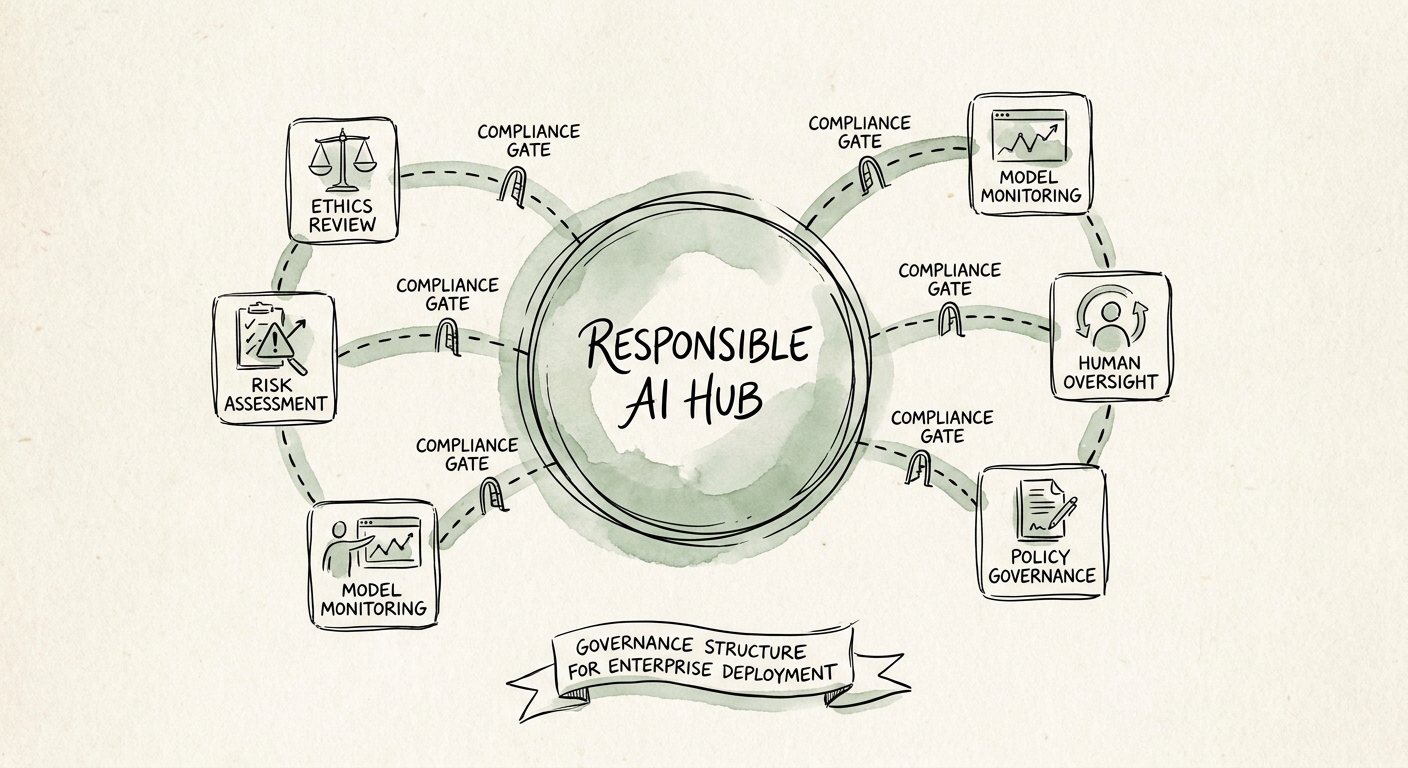
BRIEF · COMPLIANCE & SECURITY
The Enterprise AI Governance Structure That Survives Contact With 2,000 Employees
Most responsible AI frameworks die as PDFs. Here's the use-case register, five governance roles, and risk tiers that actually hold up at enterprise scale.
5 governance roles before enterprise AI scale
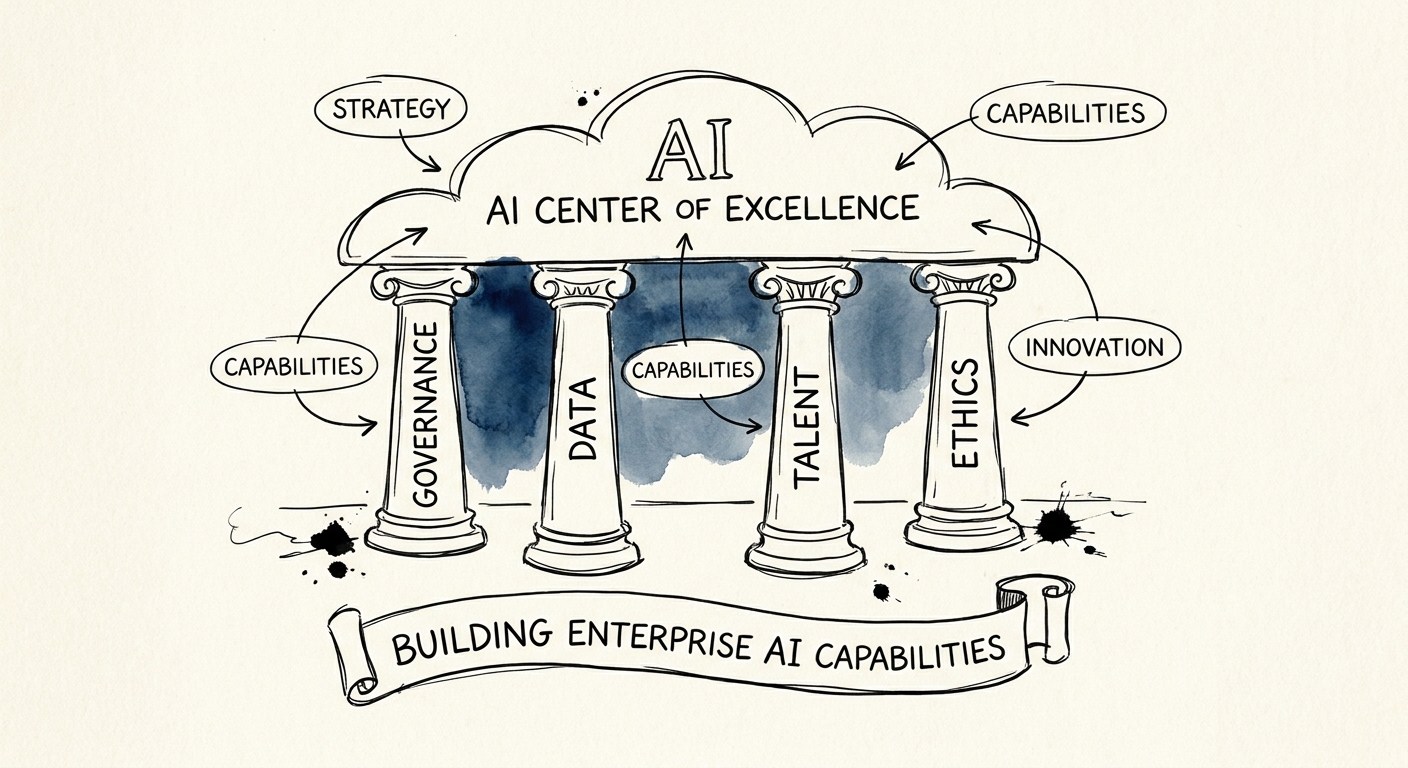
BRIEF · PROCESS DOCUMENTATION
Your AI Center of Excellence Is a Filing Cabinet, Not an Org Chart
Most AI Centers of Excellence are an org chart with no paperwork behind it. Here are the four documents that decide whether your models survive M&A diligence.
70% Budget burned in pilot phase without a CoE
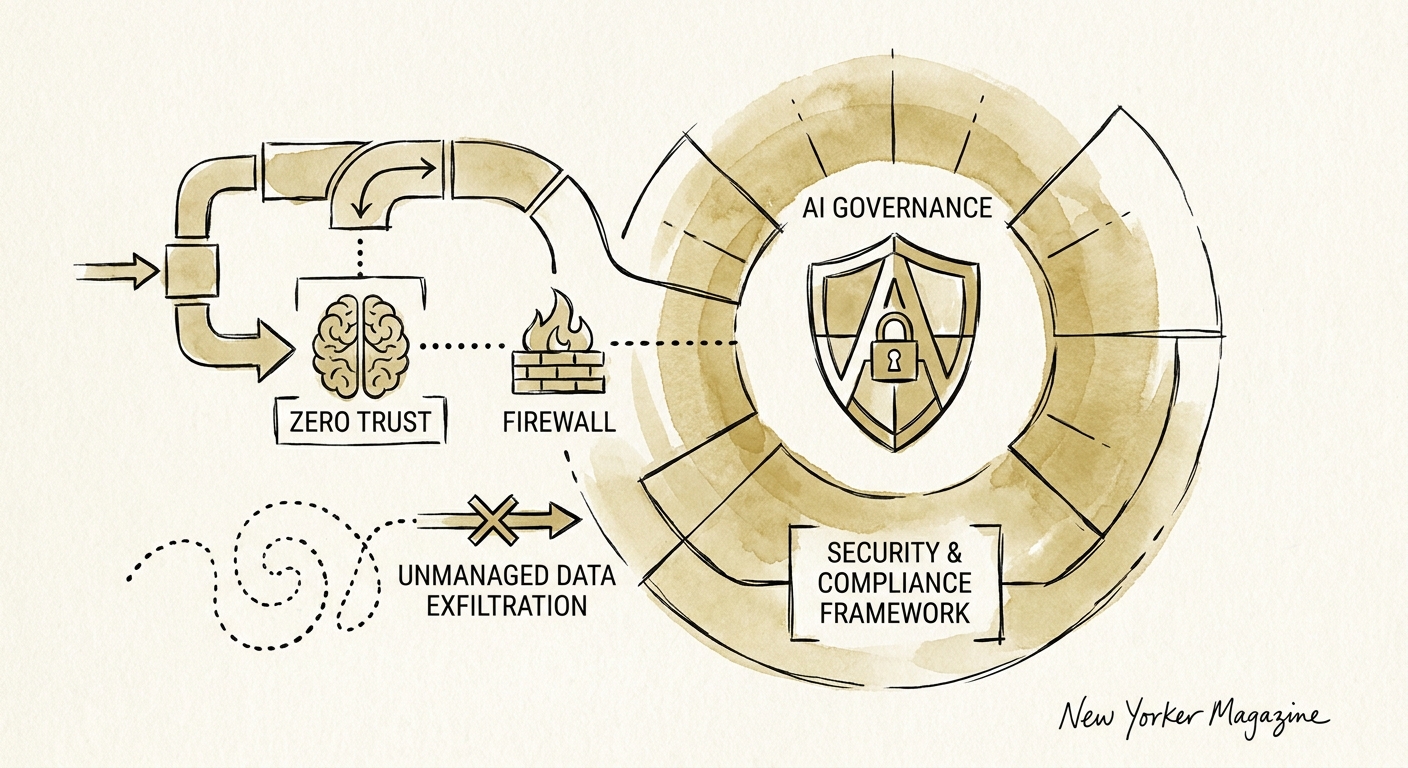
BRIEF · COMPLIANCE & SECURITY
AI Assistant Governance for SaaS: Why Shadow AI Quietly Poisons Your Codebase Before Diligence Finds It
Shadow AI doesn't just leak data — it contaminates the codebase you're selling. A governance framework for SaaS firms that survives a buyer's repo scan.
40% of enterprises will suffer shadow AI security incidents by 2030
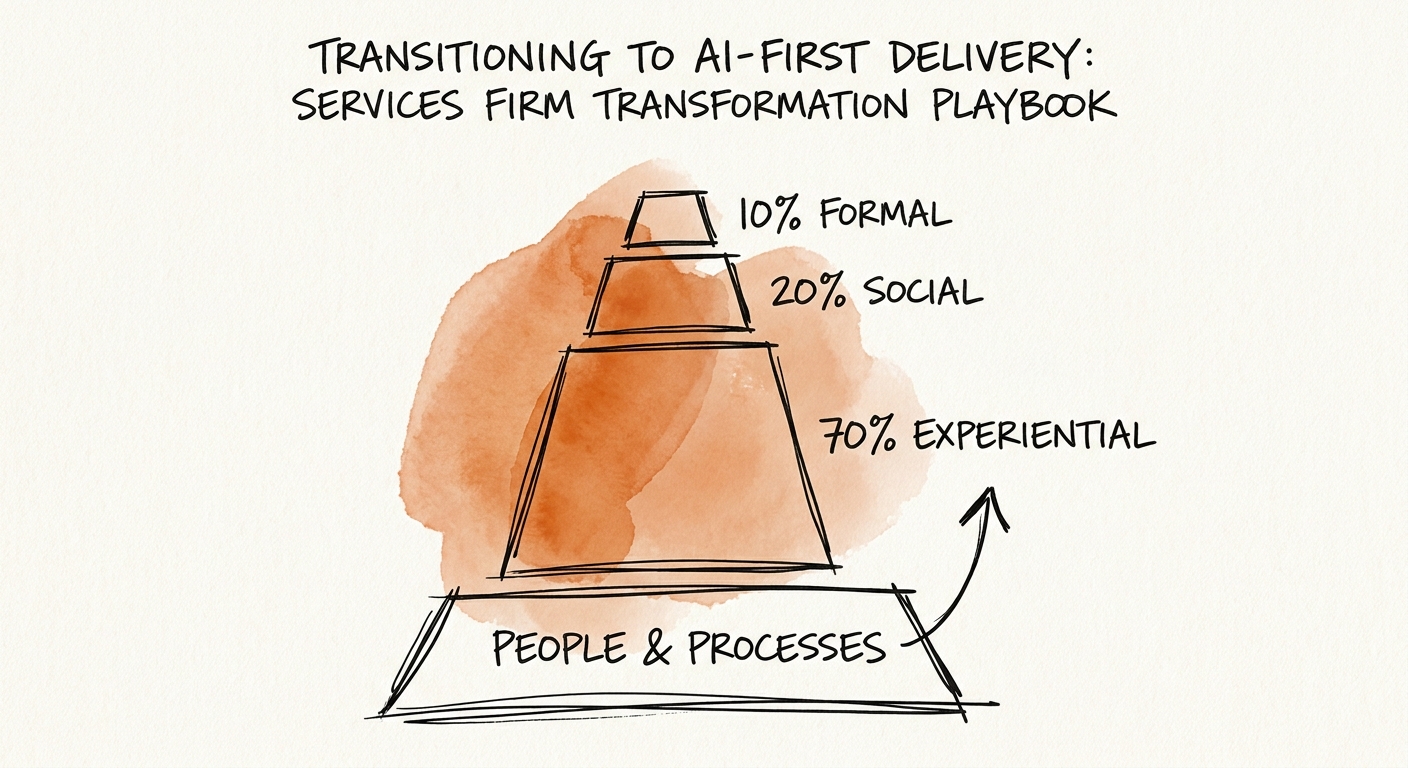
BRIEF · PROCESS DOCUMENTATION
AI-First Delivery for Services Firms: Rebuild the Workflow, Not the Pitch Deck
A services firm bills hours but sells outcomes. Here's how to move one delivery lane to AI-first without quietly breaking your own margin math.
4 delivery-model changes before AI-first scale
BRIEF · PROCESS DOCUMENTATION
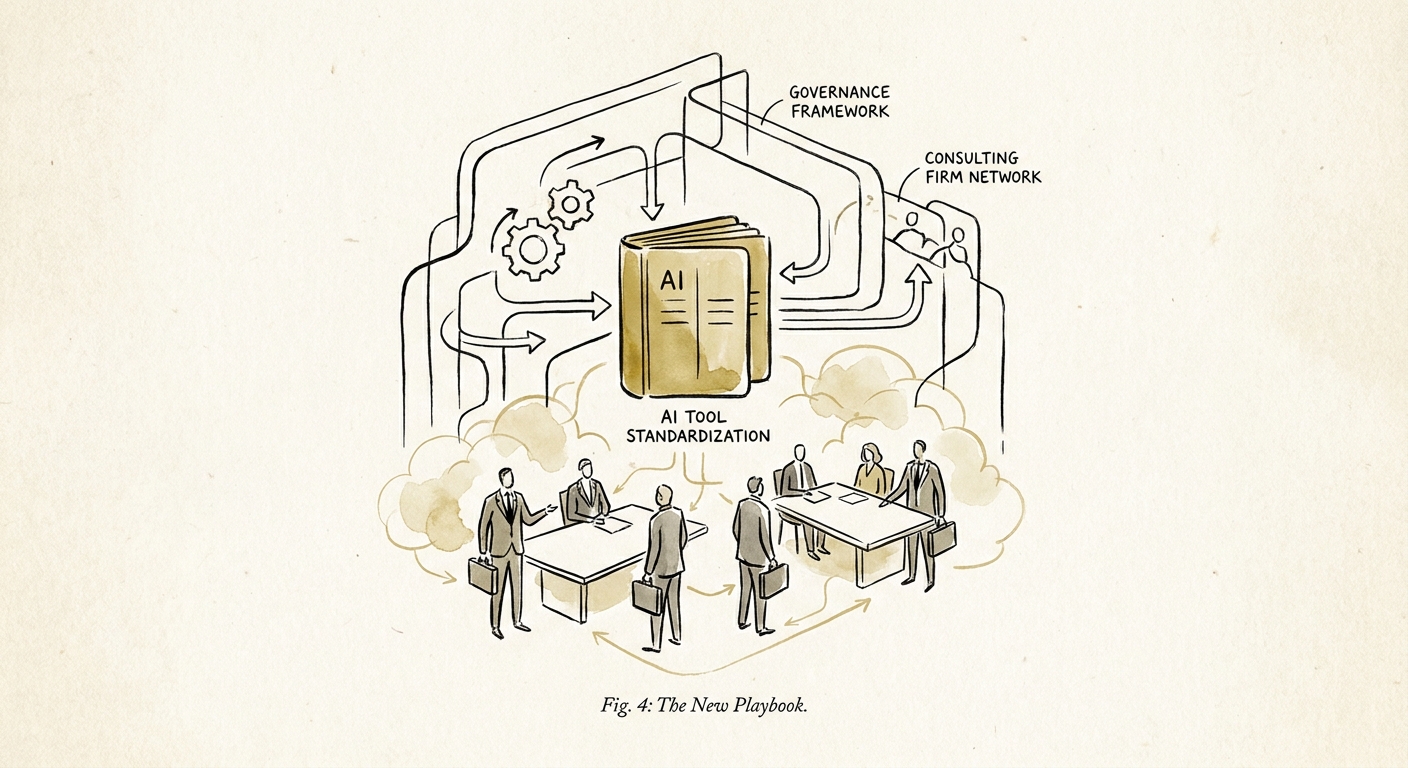
Your Consultants Have 11 AI Tools. Your Buyer Counts Every One.
A diligence team can find every rogue AI subscription in your consulting firm in an afternoon. Here's how tool sprawl becomes a valuation lever — and how to close it.
14% Enterprise Value Bleed from Shadow AI
BRIEF · PROCESS DOCUMENTATION
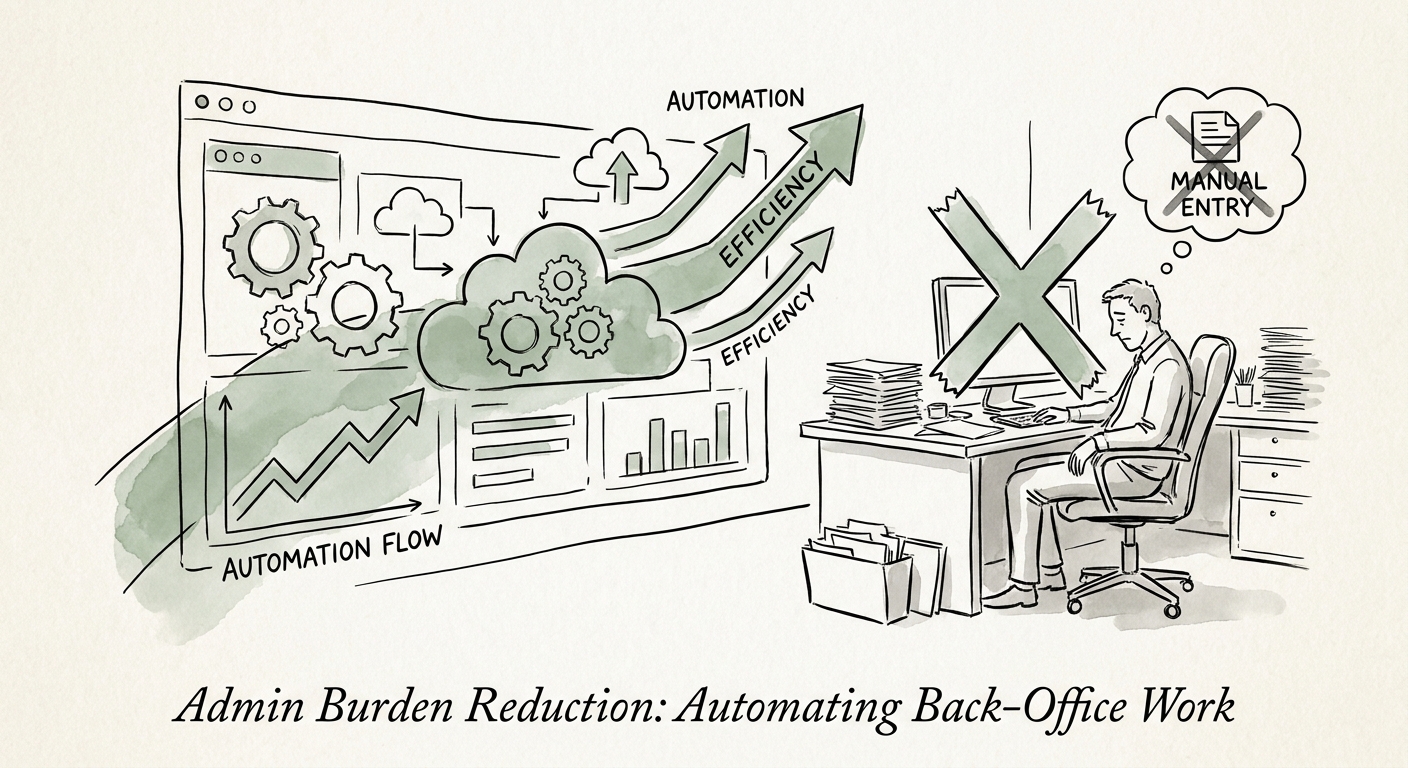
The VLOOKUP Tax: Why Your SaaS Back Office Hires Linearly (And How to Stop)
Eight people reconciling Stripe against NetSuite by hand is not a staffing problem — it's a margin leak. How SaaS scale-ups break linear back-office hiring.
73% Failure rate of automation implementations due to undocumented underlying processes