Fractional AI Partner vs. Full-Time AI Hire: Decision Guide
A decision guide for choosing fractional AI transformation leadership, a full-time AI hire, or vendor-led ownership.
CEOs, owners, COOs, and leadership teams deciding who should own AI transformation.
Use this when AI work spans multiple functions and the company needs one accountable owner.
Fractional AI partner
The business needs senior AI roadmap ownership, governance, vendor selection, and implementation oversight without a full-time executive.
Fractional support that only advises and does not own cadence, reporting, or implementation quality.
Monthly roadmap, governance review, vendor guidance, implementation oversight, and executive reporting.
Full-time AI hire
AI is becoming a core operating function with daily ownership, internal team management, and ongoing technical or product leadership.
Hiring a title before workflows, budget, authority, and success metrics are clear.
Dedicated internal leader or team owning AI execution day to day.
Vendor-led owner
The AI work is platform-specific and the company has strong internal governance and business ownership already.
Vendor incentives that push platform adoption over business-fit decisions.
Tool-specific implementation plan, support, and vendor roadmap alignment.
How to make the call
- Step 1
Map the ownership load
List roadmap, governance, vendor, delivery, training, reporting, and monitoring responsibilities.
- Step 2
Estimate weekly cadence
If the work needs daily internal management, hire. If it needs senior monthly cadence, fractional can fit.
- Step 3
Clarify authority
The AI owner must have enough executive sponsorship to say no to bad use cases.
- Step 4
Separate vendor work from owner work
Vendors can build, but the business needs someone accountable for value, risk, and adoption.
- Step 5
Revisit after 90 days
Use lead volume, project count, adoption, and risk load to decide whether fractional should become full-time.
AI ownership is an operating role.
The company needs someone who can say yes, no, not yet, and prove it worked. A title is less important than the cadence, authority, and judgment the role brings.
Where the decision turns into work
Performance Improvement
Revenue, margin, delivery, technical debt, and operating-system improvement for technology firms with stalled growth or compressed EBITDA.
Interim Management
Operator-led interim management for technology companies in transition, crisis, integration, or founder extraction.
Frequently asked
- What does a fractional AI partner own?
- Roadmap cadence, use-case governance, vendor guidance, implementation oversight, team coaching, and executive reporting.
- When should a company hire full-time?
- Hire full-time when AI work requires daily internal leadership and enough budget, authority, and project volume to justify the role.
- Can a vendor be the AI owner?
- A vendor can own implementation scope, but the business should own value, risk, adoption, and priorities.
Articles that support the decision
BRIEF · TEAM & HIRING
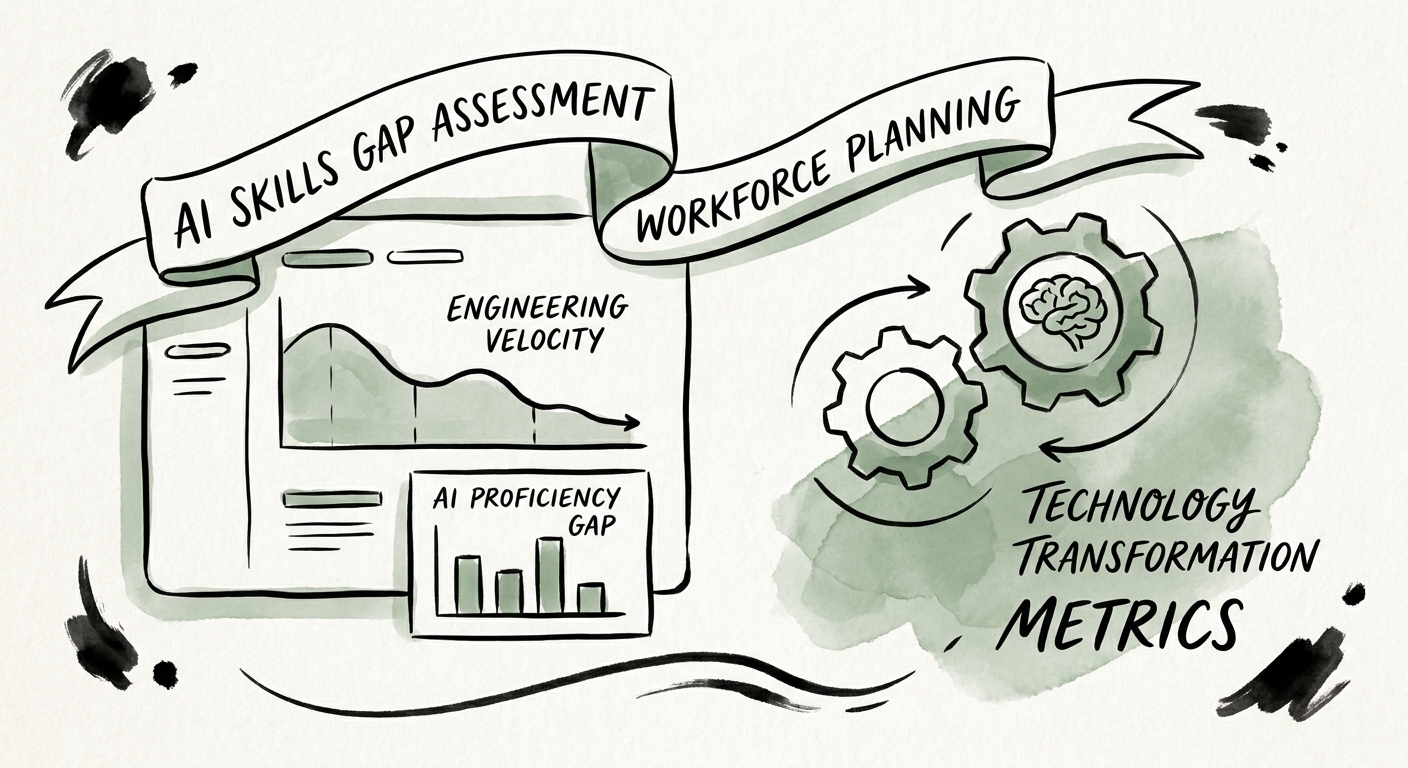
The AI Skills Gap That Quietly Tanks Mid-Market Software Valuations
Mid-market software firms are buying AI licenses without assessing who can actually wield them. Here is how to map the gap before it shows up in diligence.
40% Velocity Loss from Unassessed AI Adoption
BRIEF · PROCESS DOCUMENTATION
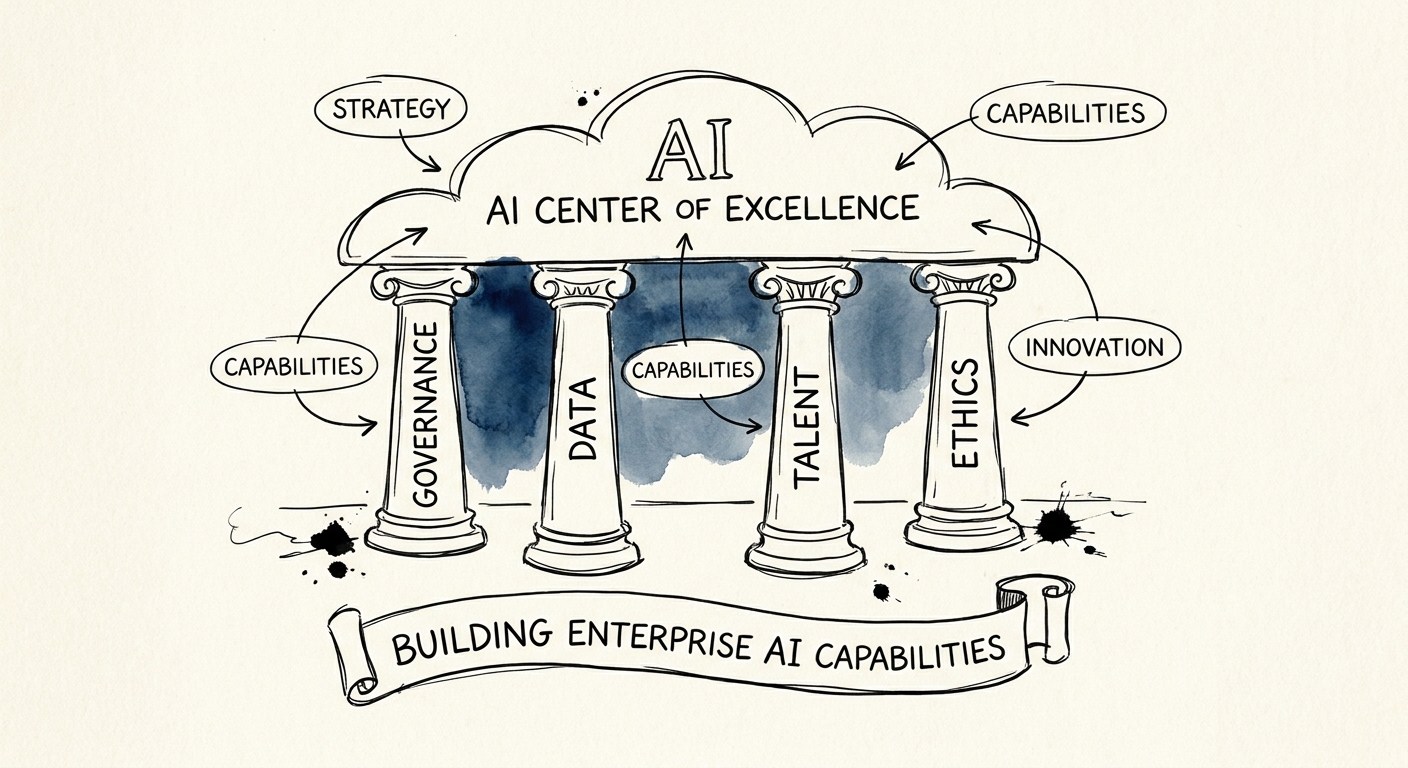
Your AI Center of Excellence Is a Filing Cabinet, Not an Org Chart
Most AI Centers of Excellence are an org chart with no paperwork behind it. Here are the four documents that decide whether your models survive M&A diligence.
70% Budget burned in pilot phase without a CoE
BRIEF · TEAM & HIRING
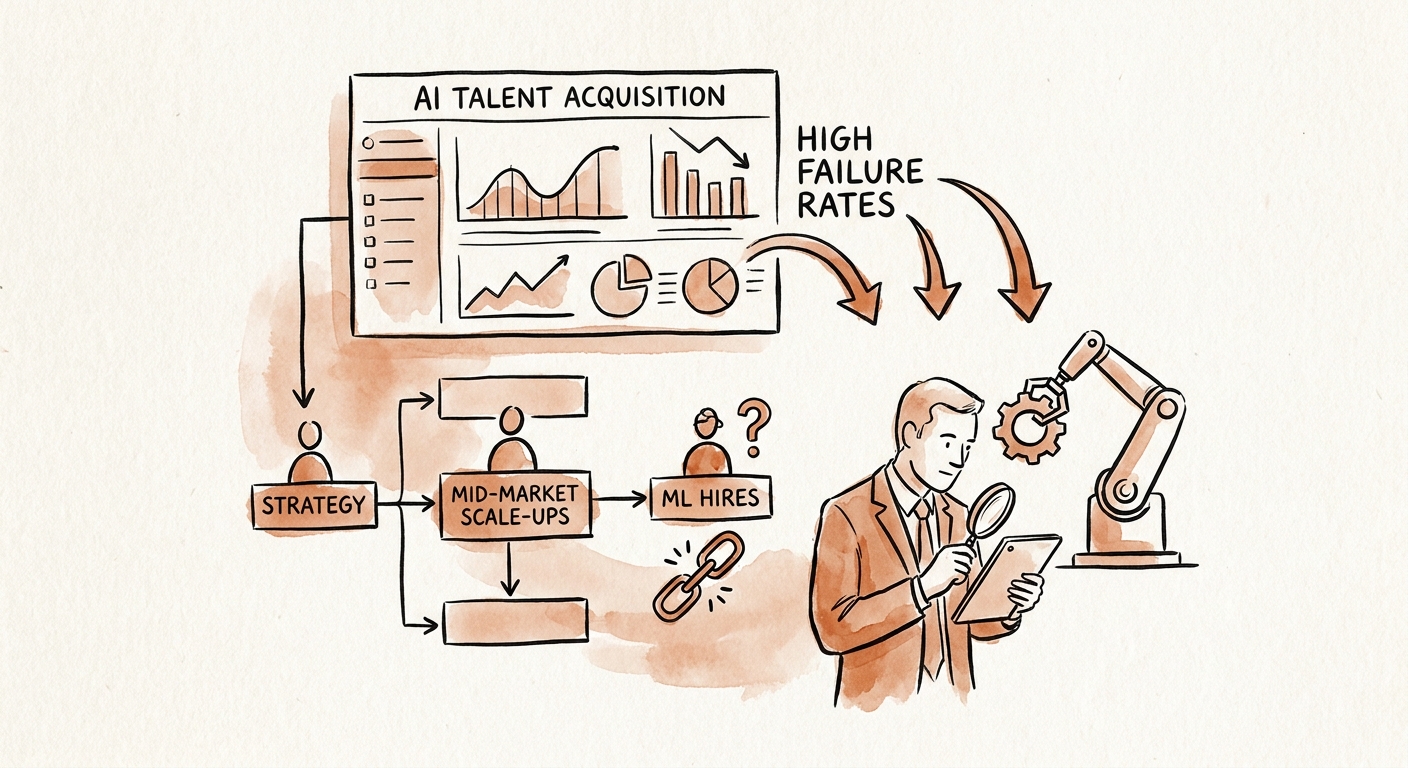
The Notebook Engineer Trap: Why Your Best-Credentialed ML Hire Can't Ship
Your highest-paid ML hire has a PhD and can't deploy a model past a Jupyter notebook. Here's how to screen B2B SaaS engineering talent for production, not theory.
$285,000 Sunk Cost per Failed ML Hire
BRIEF · PROCESS DOCUMENTATION
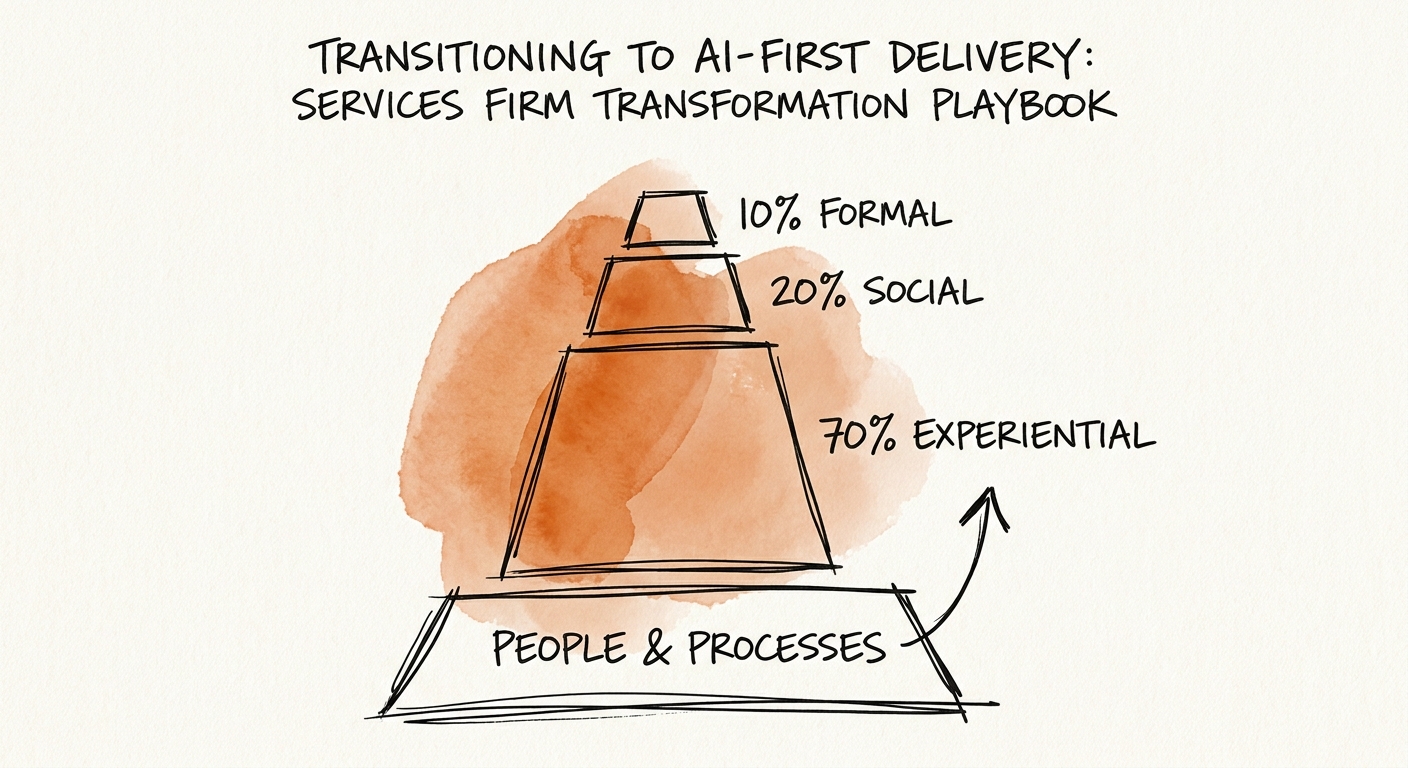
AI-First Delivery for Services Firms: Rebuild the Workflow, Not the Pitch Deck
A services firm bills hours but sells outcomes. Here's how to move one delivery lane to AI-first without quietly breaking your own margin math.
4 delivery-model changes before AI-first scale
BRIEF · PROCESS DOCUMENTATION
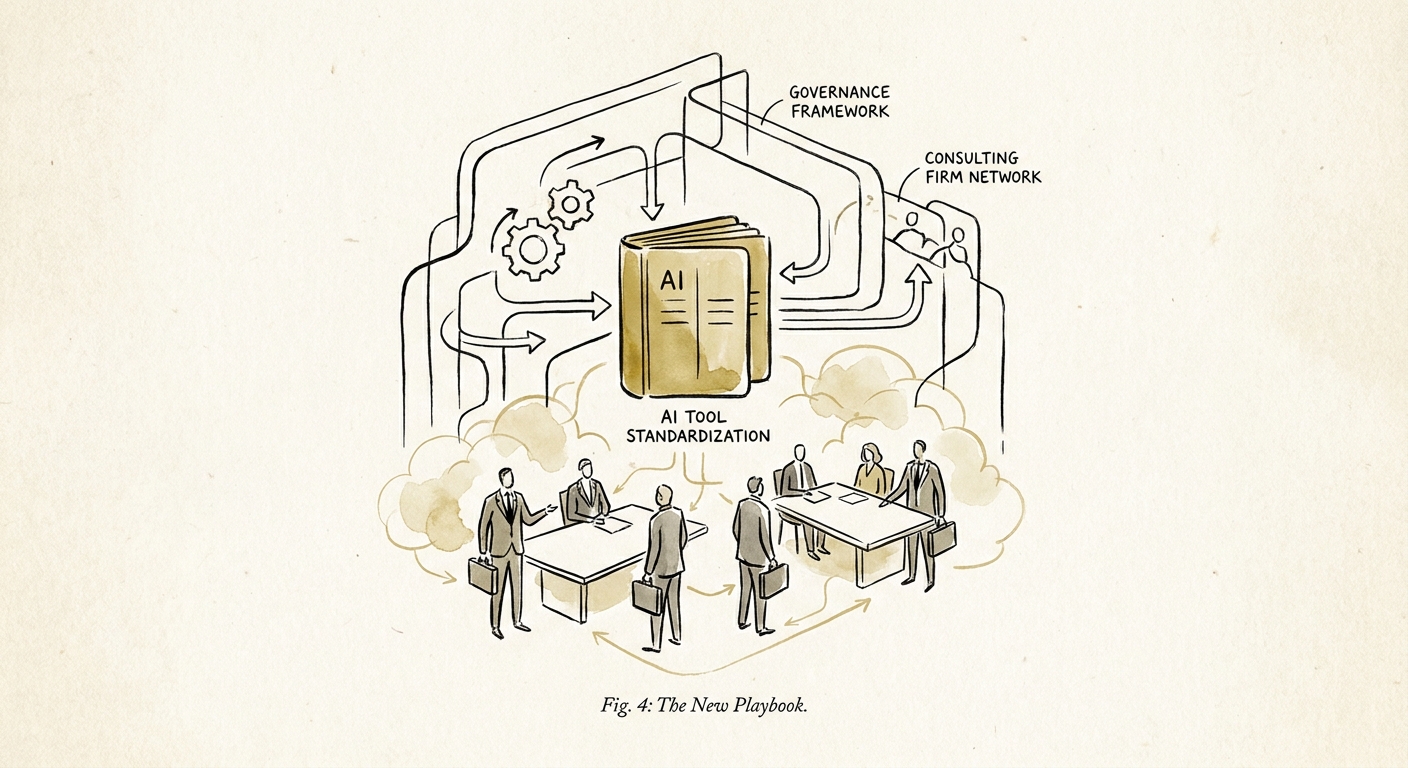
Your Consultants Have 11 AI Tools. Your Buyer Counts Every One.
A diligence team can find every rogue AI subscription in your consulting firm in an afternoon. Here's how tool sprawl becomes a valuation lever — and how to close it.
14% Enterprise Value Bleed from Shadow AI
BRIEF · TEAM & HIRING
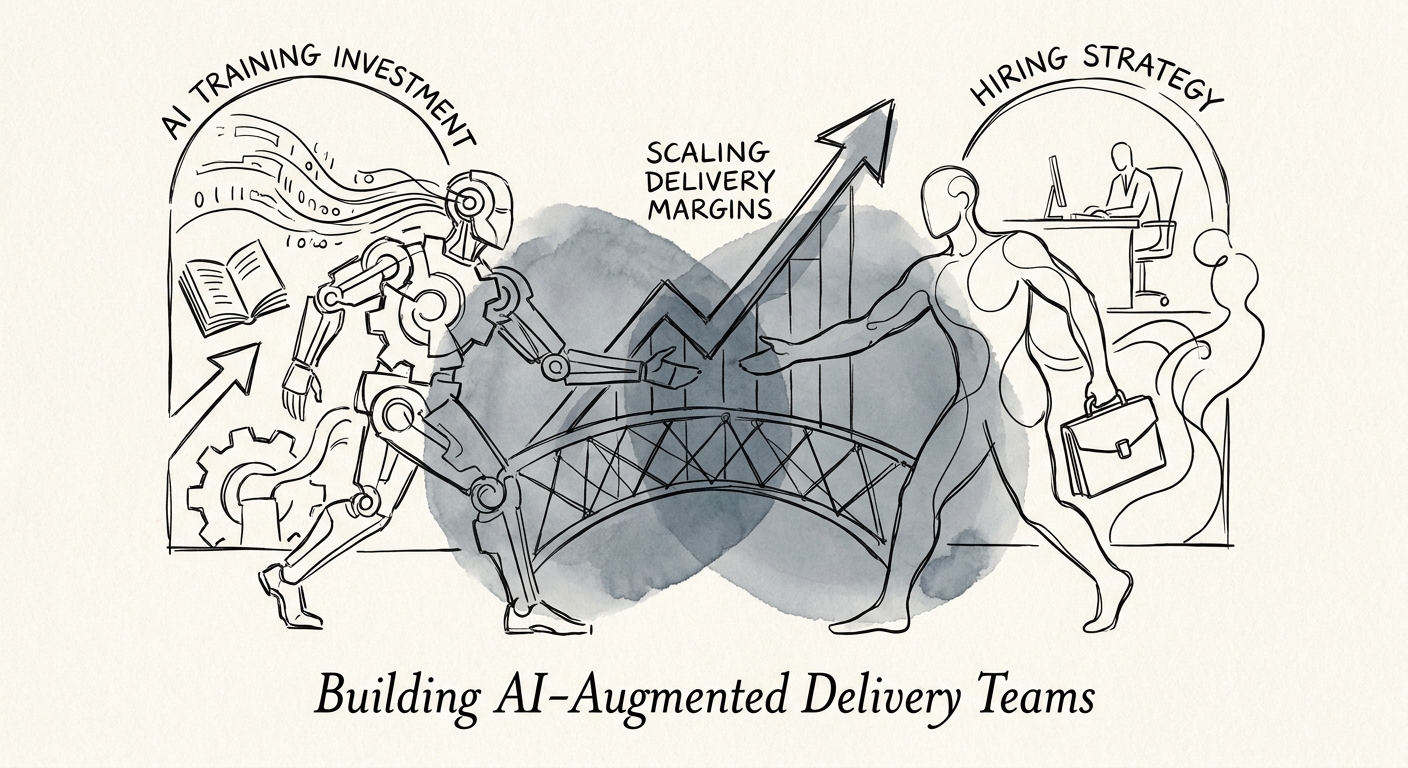
Your Best AI Hire Already Works Here: Why Tech-Services Firms Should Train Delivery Leads Before Recruiting Specialists
A mid-market IT-services firm doesn't have a model-knowledge problem. It has a context problem. Why upskilling delivery leads beats recruiting AI specialists.
10% Suggested AI upskilling capacity allocation