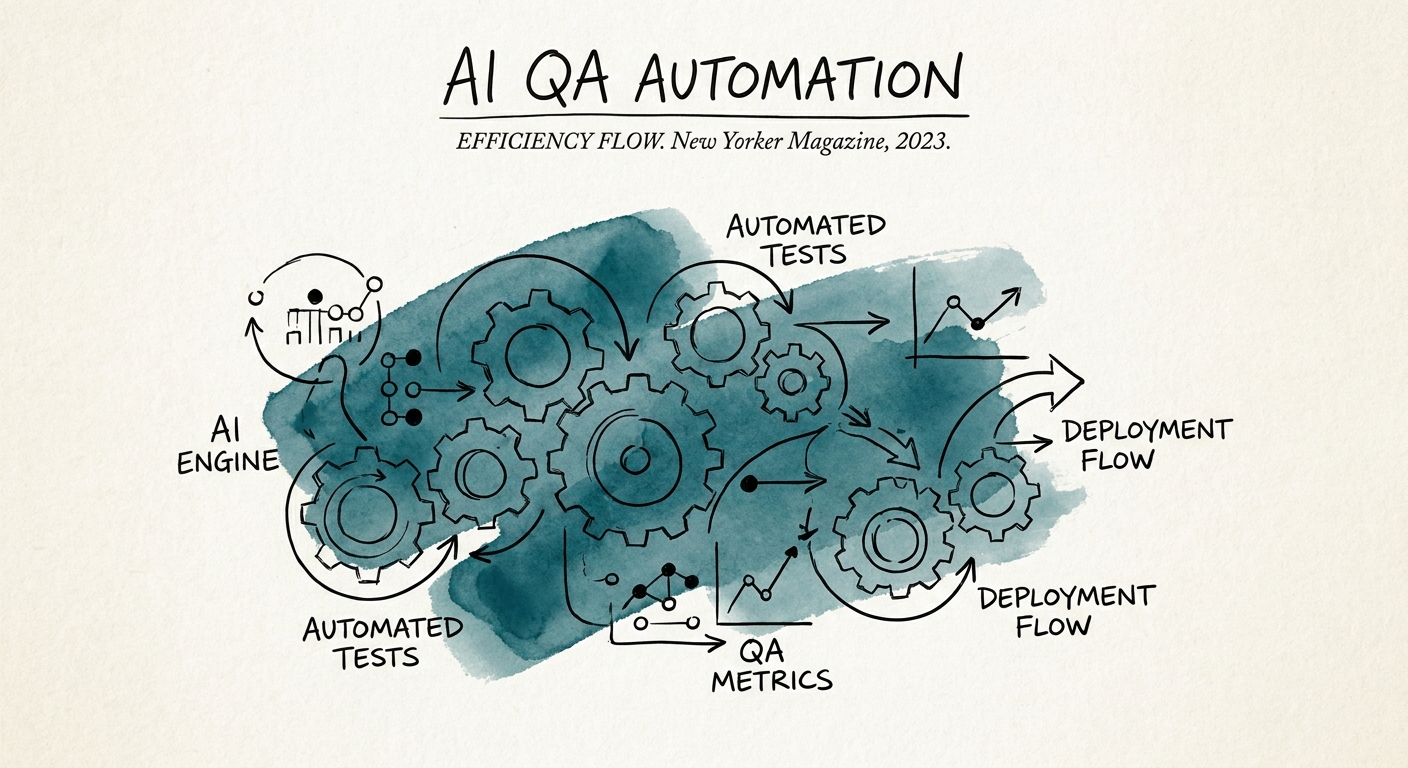
The defect that ate your margin was in a PDF the whole time
Picture a 40-person services shop closing out a six-month implementation. The build works. The demo goes well. Then, in the final acceptance call, the client pulls up the signed statement of work and points to a paragraph on page nine: a reporting module that was scoped, priced, and then quietly dropped when the integration timeline slipped in month two. Nobody re-read page nine. Now you're eating two weeks of unbudgeted work to keep the relationship, and your project margin just went from healthy to flat.
That is the defect class that actually hurts a delivery business, and it's almost never a code bug. It's a mismatch between the artifacts you already have on file: the signed scope, the acceptance criteria, the change requests, the delivery notes, the client comments that never got resolved. The reason implementation QA is such a good first place to point AI is that all of those inputs are knowable and bounded. You aren't asking a model to invent judgment. You're asking it to read everything you already wrote and flag where the documents disagree with each other. The Deloitte State of AI in the Enterprise 2026 frames the hard part as dragging AI out of the pilot drawer and into something that runs on real work, and a narrow operating boundary like this is exactly where that transition tends to stick.
Wire it to three documents first, then earn the right to add more
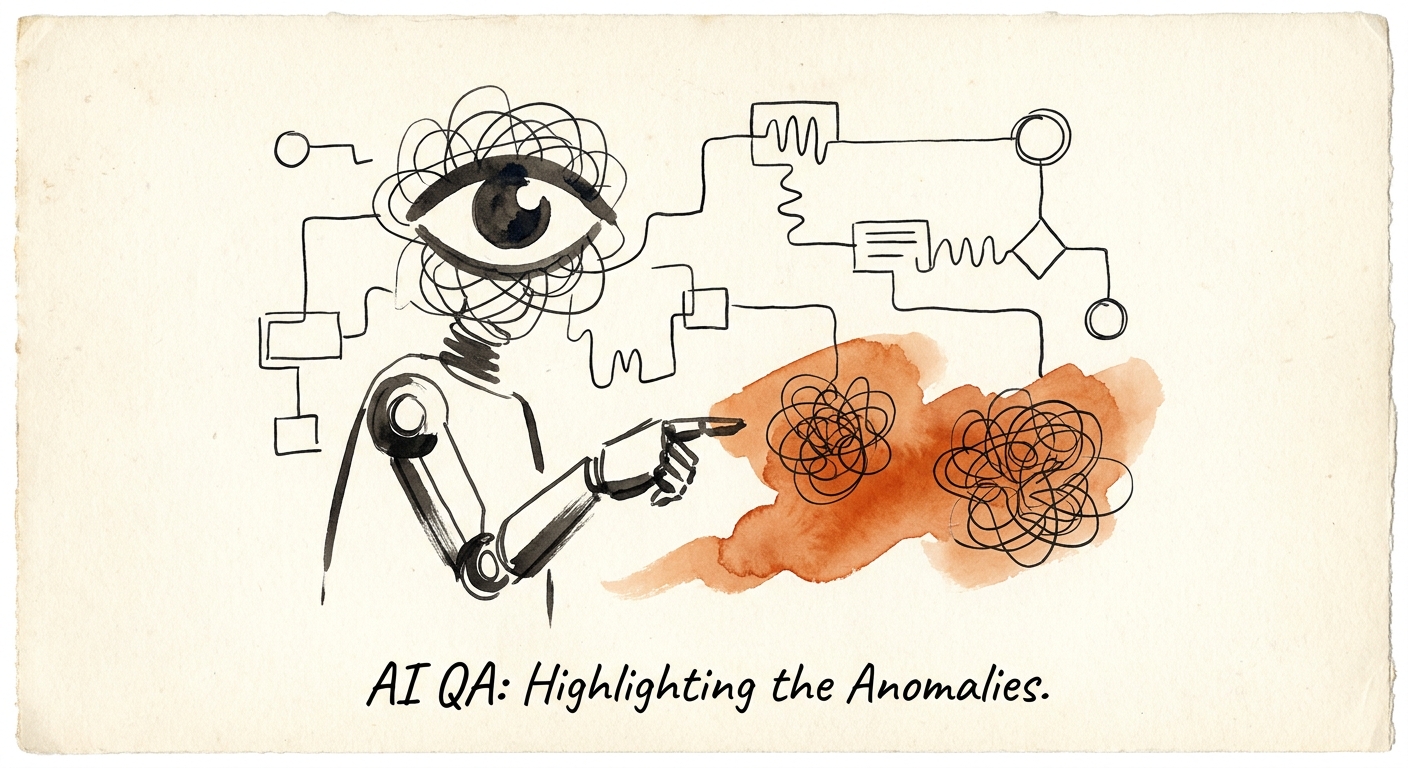
The workflow that works is unglamorous: AI reads your approved artifacts and produces one thing, an exception list. Each line cites the source document, names the specific unresolved question, assigns an owner, and explains in a sentence why it matters to delivery. Not a summary, not a chat window, not a confidence score. A list a project manager can clear, one row at a time, before the client finds the rows for them.
Start with exactly three inputs and resist the urge to feed it your whole drive: the signed scope, the current delivery plan, and the acceptance checklist. The single most valuable thing the model does on day one is diff the signed scope against the delivery plan and tell you what was promised but never made it into the build. Once those three are stable and the false-positive rate is low, layer in support-ticket summaries, release notes, and client-meeting notes so the same engine catches recurring defects and unanswered client comments. Keep every finding in one auditable exception log rather than scattering alerts; a delivery leader needs a single place to see what's open. The point of the citation requirement is traceability, which is the spirit of the NIST AI Risk Management Framework: a finding you can't trace back to a specific line in a specific document is a finding nobody will act on. The companion piece on AI workflow automation for QA review walks through turning these checks into a standing delivery ritual rather than a one-time sweep.
Settle the data question before a single client artifact goes in
Implementation QA touches the sensitive stuff: client credentials, screenshots of production systems, confidential requirements, sometimes regulated data. So the access and retention rules are not a phase-two cleanup item; they're the gate you pass through first. Decide what artifacts the workflow can ingest, where they're stored, how long they're kept, and whether anything leaves your tenant before a single client document goes near the model. The CISA AI data-security best practices is the reading to do during scoping, not after the first incident.
Run it as a real pilot on one closing project, then end it with a three-bucket review: which exceptions were genuine catches, which were false positives worth tuning out, and which point at an upstream process that's broken (a scope template that lets features fall through, a change-request flow nobody enforces). That last bucket is where the margin actually comes back. The mid-market context matters here too. The U.S. Census Bureau AI business adoption analysis shows adoption spreading fast, but a services firm doesn't need abstract experimentation; it needs a use case that defends delivery economics. On Monday, pick your next project to close, export the signed scope and the acceptance checklist, and run the diff. The first ten exceptions will tell you everything about whether this belongs in your delivery process.