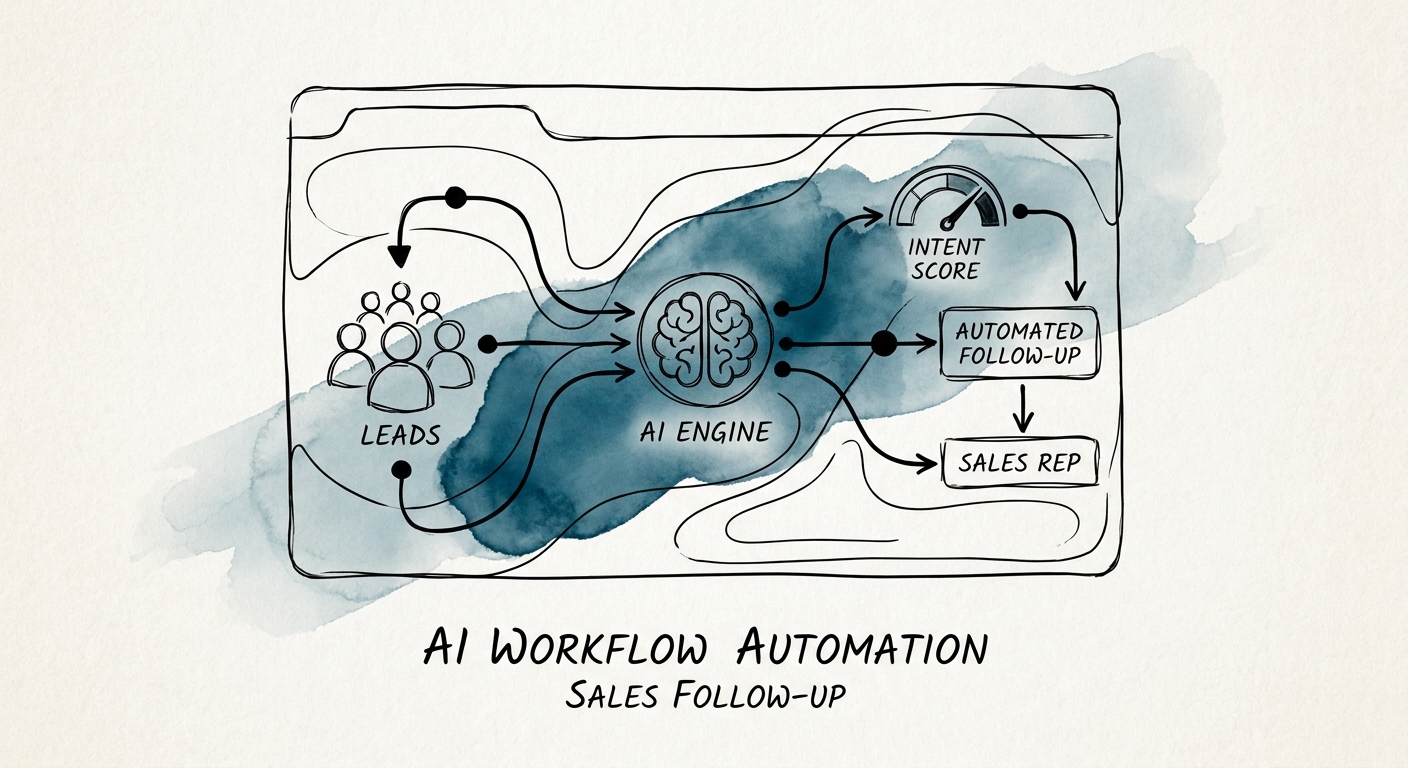
A form gets submitted at 4:52pm on a Friday. Then what?
Picture a 200-person fintech evaluating two vendors. A VP at that target account fills out your "talk to sales" form right before the weekend, says they are comparing options, and asks specifically about SOC 2. The rep who owns that territory is offline. The fallback rep does not see it until Tuesday. By then the buyer has booked a call with the competitor who replied in eleven minutes.
This is the actual failure most sales teams are trying to fix when they reach for automation, and it is not "we do not send enough messages." It is that the right person did not get the right context fast enough to say something the buyer cared about. Speed-to-lead is real and well documented, but speed alone is a trap: a reply in four minutes that ignores the SOC 2 question and pastes a generic "thanks for your interest, can we grab 30 minutes" loses to a thoughtful reply an hour later.
So the design goal is narrow and specific: compress time-to-first-relevant-touch on inbound. Not outbound blasting. Not nurture drips. The single moment where a hand-raiser submitted a form and a human-quality response needs to land before their attention moves on. As MIT Sloan Management Review AI coverage repeatedly shows, the wins from AI come from removing friction in a specific decision, not from generating more volume.
What the workflow actually does between submit and send
Walk the Friday-4:52pm lead through it. The moment the form hits, the workflow reads what the buyer typed, not just the lead-score fields. It catches the phrase about evaluating two vendors (active deal, time-sensitive) and the SOC 2 mention (specific ask the reply must answer). It confirms the account is a 200-person fintech and matches that to the mid-market territory. The owning rep is offline, so it routes to the named backup, not a generic queue.
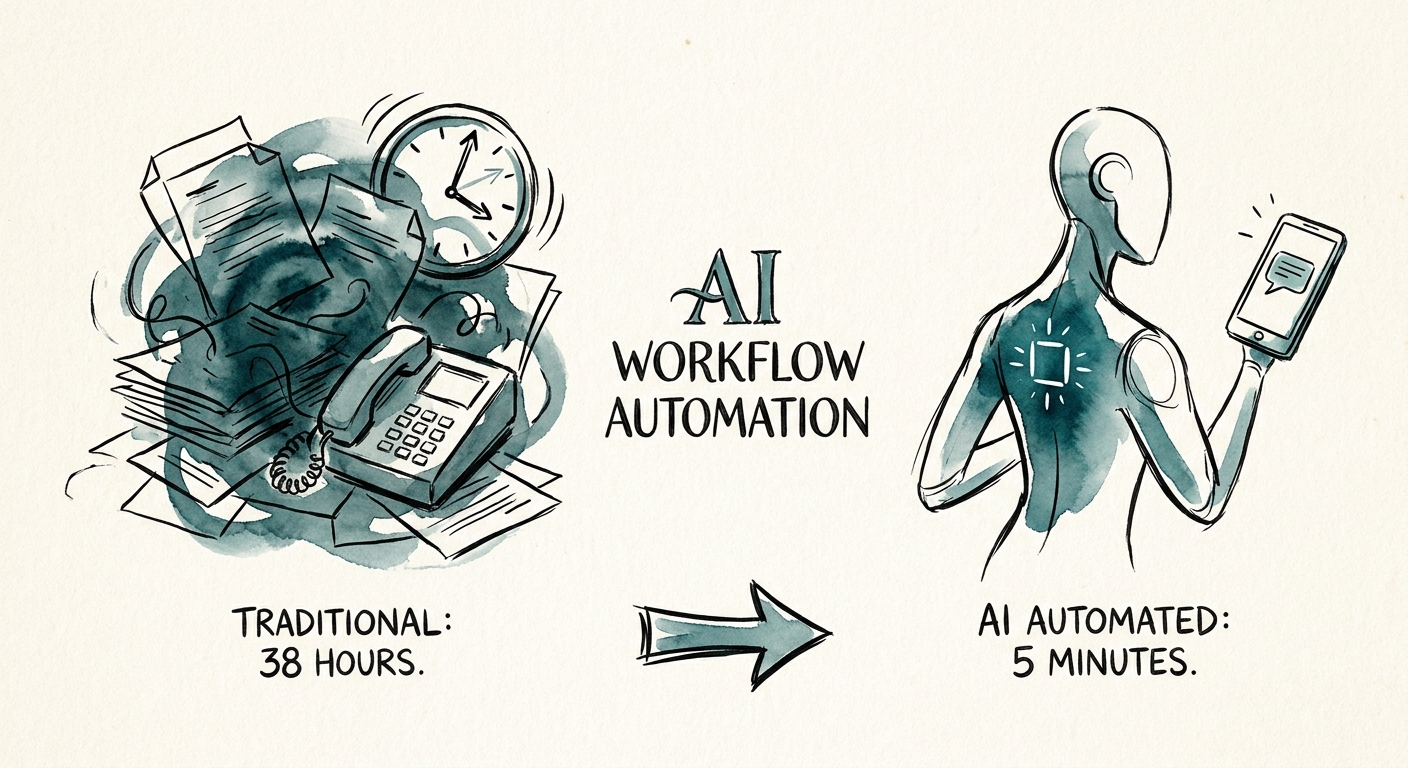
Then it drafts. Not a template with the first name swapped in, but a reply that answers the SOC 2 question directly with the approved compliance language sales is allowed to use, references the competitive-evaluation context, and proposes two concrete times. That draft lands in the backup rep's phone with the source context attached. They read it in fifteen seconds, fix one sentence, and send. The buyer gets a real, relevant answer in under five minutes on a Friday evening, and the CRM logs what was asked, what was sent, and what the rep changed.
The thing most teams get wrong: they automate the send and skip the read. A workflow that cannot tell you why it drafted what it drafted, which form field triggered which sentence, will eventually fire a confidently wrong claim at your best account. Keep a human in the loop on the message until you have watched the draft quality hold across a few dozen real leads. PwC responsible AI research frames this well: the control you cannot remove is accountability for what the system says on your behalf. For the buyer-relevance discipline underneath all of this, see the sales follow-up guide.
Measure the reply, not the robot
Open rate tells you nothing here. The metric that matters for inbound follow-up is the chain from submit to qualified conversation: median minutes from form submission to first relevant reply, the share of drafts the rep sent with zero edits (your draft-quality proxy), the share they rewrote heavily (your warning light), and meetings booked off that first touch. If reps are rewriting most drafts, the automation is generating make-work, not saving time.
Start absurdly narrow. Pick one form, the highest-intent one, probably "request a demo" or "talk to sales," and one segment, say inbound from accounts over 100 employees. Run it in draft-only mode for two weeks where every message is human-sent. Watch the edit rate fall. Only when reps are sending most drafts untouched do you let the clearest cases auto-send after hours, and even then keep the named-rep routing so a human owns the relationship Monday morning.
If you want to model what cutting that Friday-to-Tuesday delay is actually worth in booked pipeline, run the numbers in the AI ROI Calculator. When the inbound follow-up motion needs a governed build with real routing and approval guardrails, that is AI for Sales and Marketing.